Everyday Carry Skeleton Key
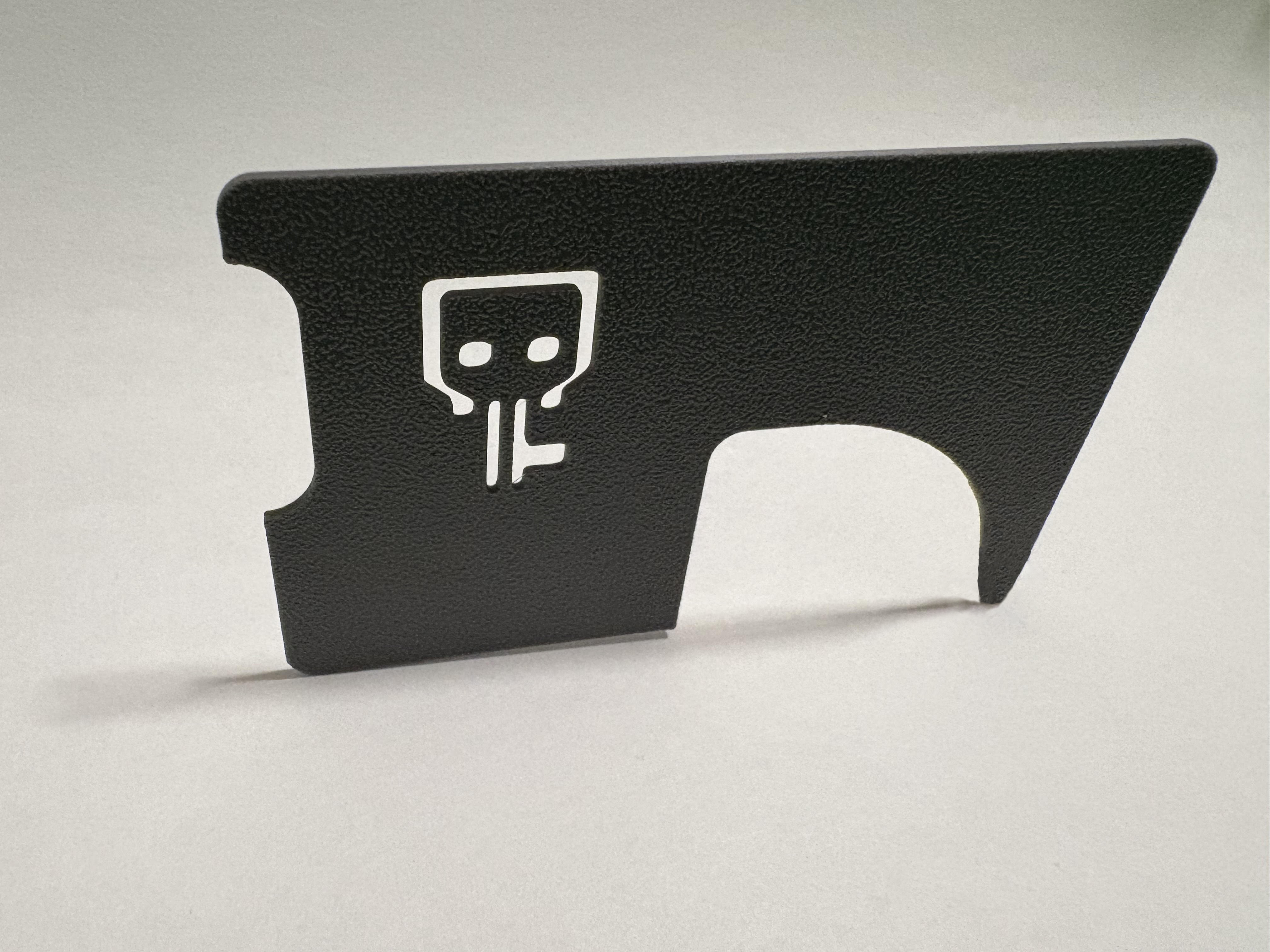
Why I Like It
Locksport is a legitimate and growing hobby — the practice of picking locks as a skill, sport, and intellectual puzzle. If you’ve never explored it, the community is welcoming, technically deep, and surprisingly cross-disciplinary (security professionals, mechanical engineers, and curious tinkerers all converge there). The cardinal rule is simple: only pick locks you own or have explicit permission to practice on. That rule is non-negotiable.
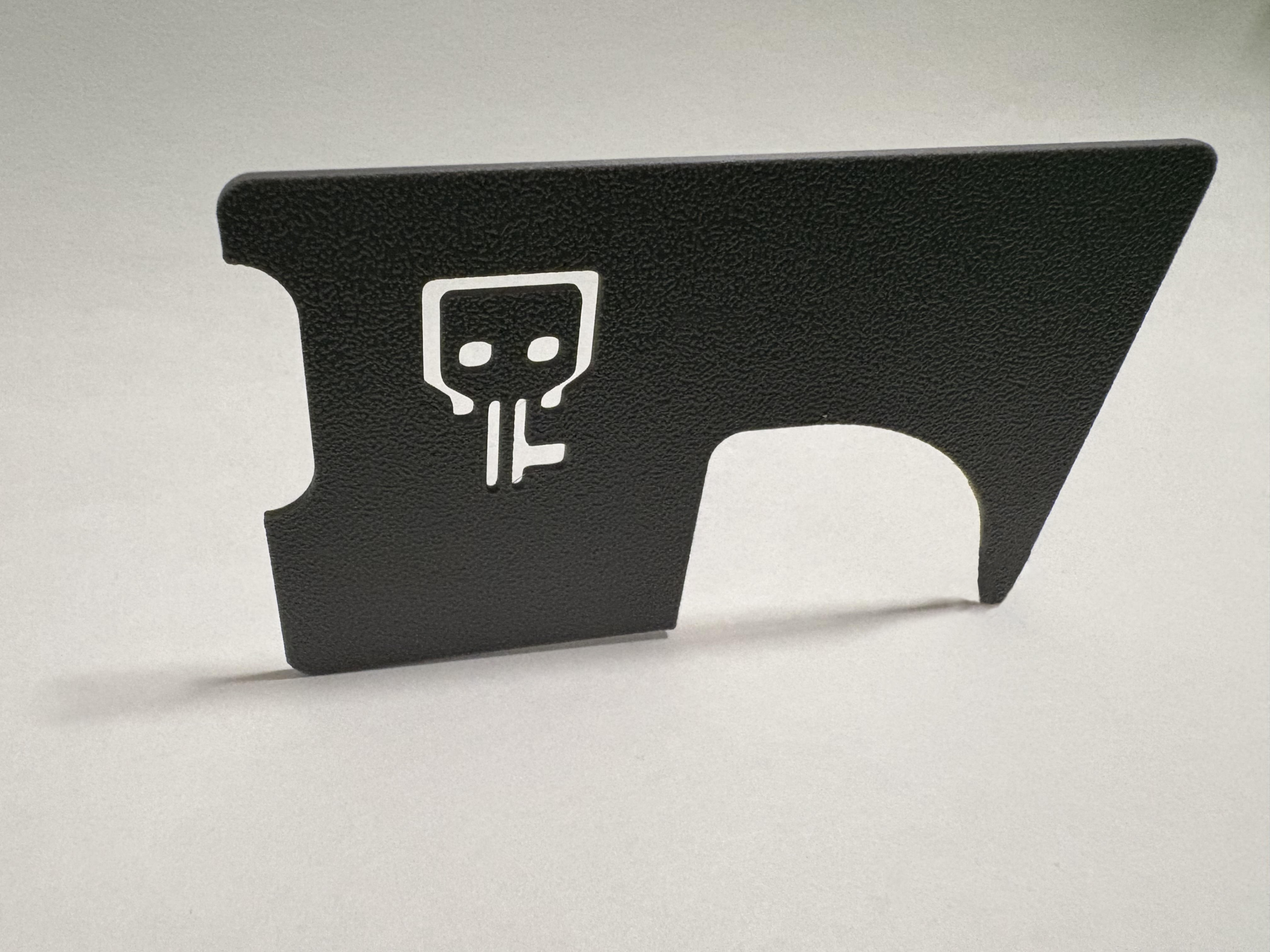
With that established — this is a wonderful entry point. The skeleton key design is primarily a training and novelty piece, functional on basic warded locks (the old-fashioned kind with simple internal wards). It won’t open a modern pin-tumbler or disc-detainer lock, but it’s a satisfying print that sparks conversations about how lock mechanisms actually work.
For print quality, this one needs rigidity. ABS or ASA at 60% infill with 5 walls — you’ll be applying torque to a thin cross-section, and PLA or soft PETG will deform or snap. The bit profile needs to be sharp and clean; if your printer struggles with fine detail, run at 0.15mm layer height and slow perimeter speed down to 30mm/s. Finish with a light sand on the key bit faces for smoother insertion. A great first step if locksport sounds interesting — and it probably will once you start pulling on that thread.
What Filament Should You Use?
Here’s a quick breakdown of the three most common filaments for EDC gear so you can pick the right one for your setup:
| Filament | Hardness | UV Resistance | Durability | Best For |
|---|---|---|---|---|
| PETG | Medium | Fair | High | Everyday indoor/EDC carry, food-safe prints, flexible-tough balance |
| ABS | High | Poor | High | Rigid structural parts, heat-resistant applications (e.g. car/glove box gear) |
| ASA | High | Excellent ☀️ | Very High | Outdoor EDC, belt/bag attachments, anything exposed to sun or weather |
TL;DR: Use PETG for most EDC prints — easy to work with and tough enough. Use ASA if the piece will live outdoors or in direct sunlight. Use ABS if you need maximum rigidity and heat resistance and have an enclosure on your printer.