Mini bottle 65mm Container Reuse 2L Cap Pill box
Why I Like It
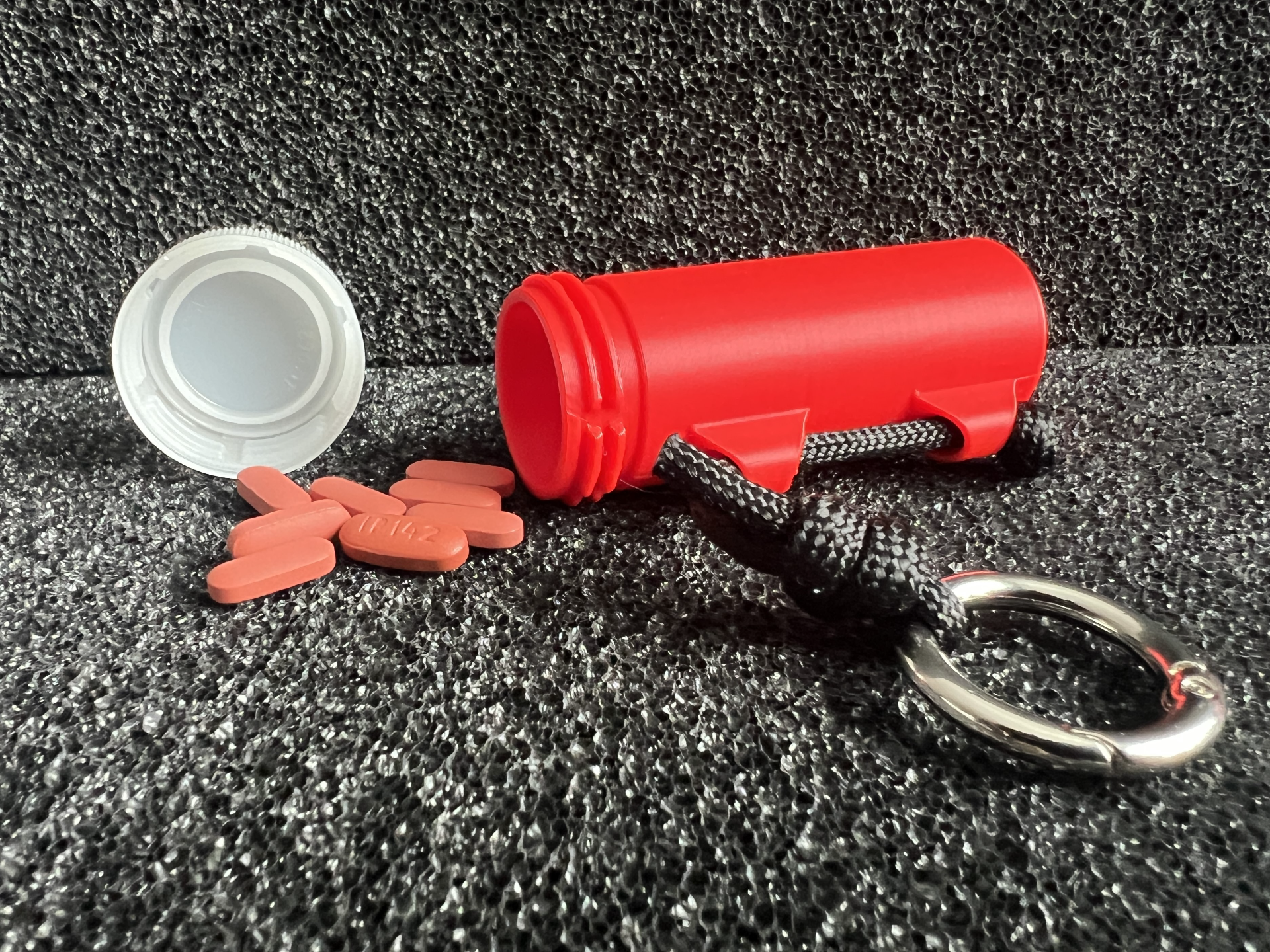
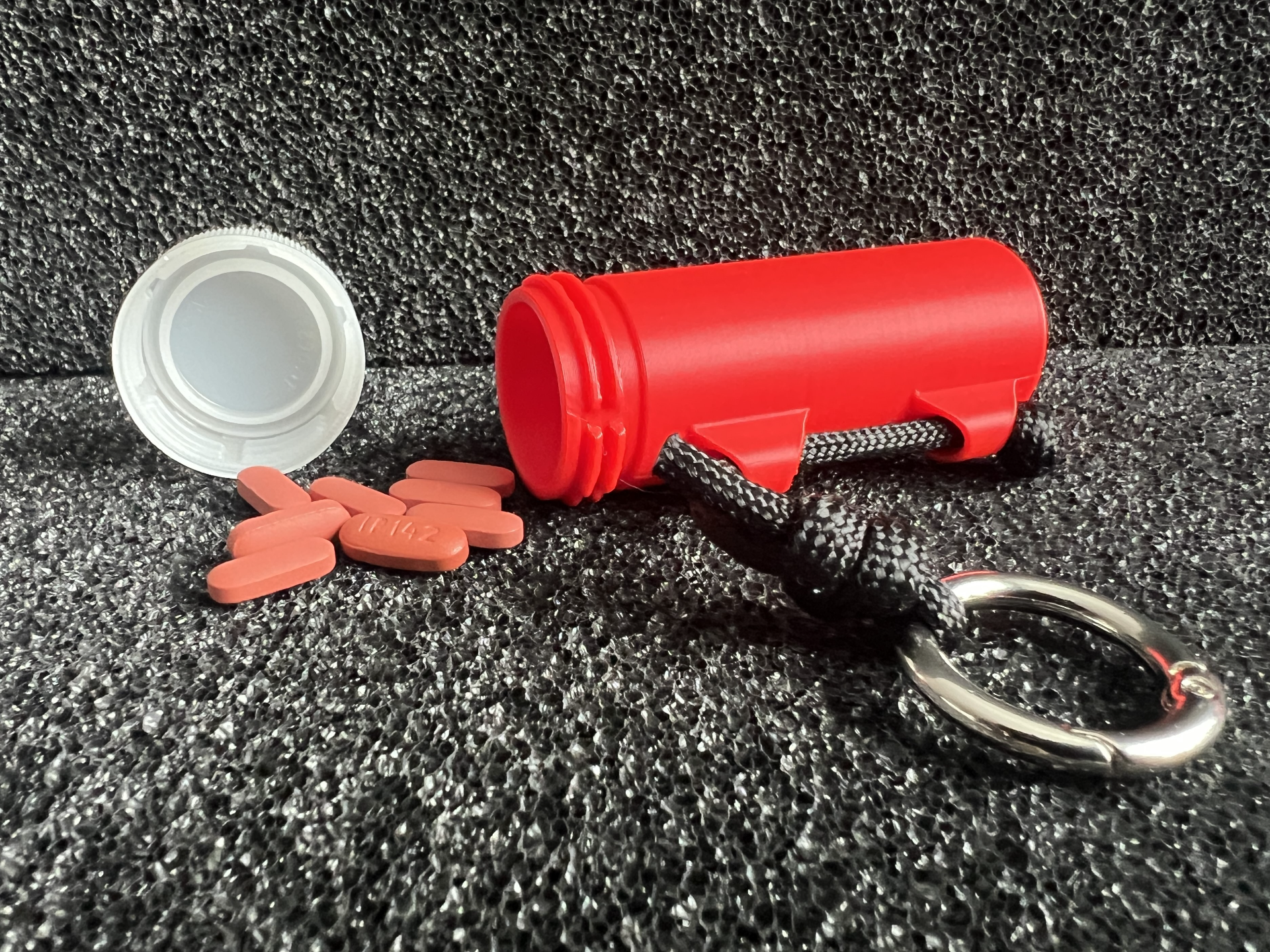
The best kind of EDC print is one that solves a problem you didn’t realize you had and uses resources you already have. This 65mm mini bottle does exactly that — it’s a small container body designed to use the cap from a standard 2-liter soda bottle. You print the body, save the cap off a bottle you were going to recycle anyway, and you have a watertight, BPA-free, food-safe (cap is already rated for it) mini container for basically zero cost.
The applications are exactly what you’d expect: pills, vitamins, a few screws or small hardware pieces, waterproof matches, small amounts of tinder, a few folded bills. The soda-cap seal is genuinely effective — these bottles were engineered to hold carbonated pressure, so keeping moisture out of your pill stash is not a problem. It also means you always have replacement caps available: every 2-liter in your fridge is a source of compatible hardware.
PETG for the body — it handles the thread tolerances better than PLA and is more moisture-resistant in use. 3 walls, 25% infill. Thread fit is critical: the cap must thread on cleanly and seal, but not require pliers to open. Print a test body first and check the fit before committing to the final version. The customization angle here is real — add text, logos, or color coding to the body to differentiate your kits. One of the smartest upcycling prints in this whole series.
What Filament Should You Use?
Here’s a quick breakdown of the three most common filaments for EDC gear so you can pick the right one for your setup:
| Filament | Hardness | UV Resistance | Durability | Best For |
|---|---|---|---|---|
| PETG | Medium | Fair | High | Everyday indoor/EDC carry, food-safe prints, flexible-tough balance |
| ABS | High | Poor | High | Rigid structural parts, heat-resistant applications (e.g. car/glove box gear) |
| ASA | High | Excellent ☀️ | Very High | Outdoor EDC, belt/bag attachments, anything exposed to sun or weather |
TL;DR: Use PETG for most EDC prints — easy to work with and tough enough. Use ASA if the piece will live outdoors or in direct sunlight. Use ABS if you need maximum rigidity and heat resistance and have an enclosure on your printer.