Paracord Beads
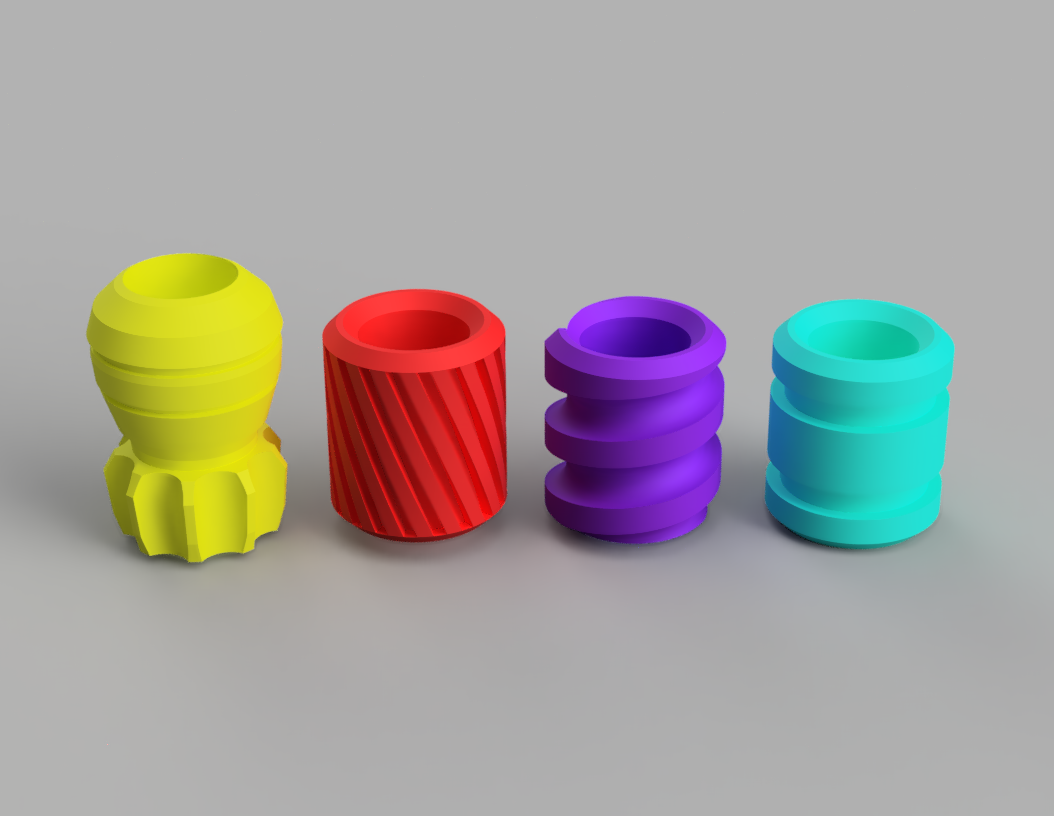
Why I Like It
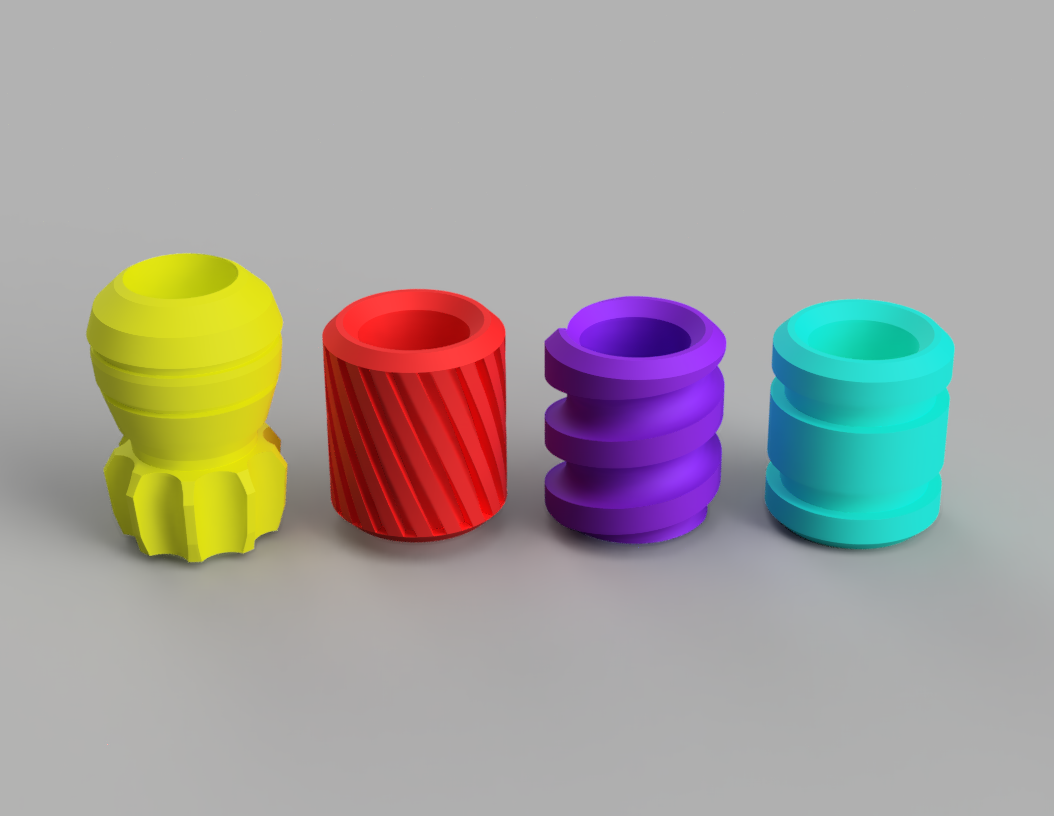
Ask yourself: how many paracord beads do you have? Now ask yourself how many you want that are exactly the color, size, and style you prefer, rather than a random assortment from a bulk bag on Amazon that includes thirty colors you’d never use. That’s the pitch for printing your own, and it’s a compelling one.
Paracord beads are tiny, fast to print, and extremely consumable — they get lost, gifted, cut off projects, or swapped out constantly. Printing your own means you’re never running low on the specific bead you want. Match them to your filament color collection, print glow-in-the-dark beads for gear you use at night, do two-color beads with a filament swap mid-print, or emboss a tiny logo or symbol on the face. The creative ceiling is surprisingly high for something this small.
Print settings: 100% infill on small beads — the wall count is the whole print at this scale. PETG is ideal for durability and the slight surface sheen that looks good on a finished braid. PLA works fine for decorative beads that won’t see real weather. 0.2mm layer height is plenty; finer doesn’t add much at this scale. The real power move is printing 20–30 at once in a grid on your build plate — one print session, weeks of supply. Once you start doing this, buying beads feels wasteful.
What Filament Should You Use?
Here’s a quick breakdown of the three most common filaments for EDC gear so you can pick the right one for your setup:
| Filament | Hardness | UV Resistance | Durability | Best For |
|---|---|---|---|---|
| PETG | Medium | Fair | High | Everyday indoor/EDC carry, food-safe prints, flexible-tough balance |
| ABS | High | Poor | High | Rigid structural parts, heat-resistant applications (e.g. car/glove box gear) |
| ASA | High | Excellent ☀️ | Very High | Outdoor EDC, belt/bag attachments, anything exposed to sun or weather |
TL;DR: Use PETG for most EDC prints — easy to work with and tough enough. Use ASA if the piece will live outdoors or in direct sunlight. Use ABS if you need maximum rigidity and heat resistance and have an enclosure on your printer.