
ROLE · SOFTWARE ENGINEER
Software Engineer EDC Kit
Six pieces that leave with you: a hardware key, a hub for a borrowed screen, a notebook, and a pen that still writes.
The laptop stays off the list. Every Amazon link was checked against a live listing title.
Items & Gear List
6 items, one link each. Every card goes straight to the product.
Kit Insight
A software engineer's carry is the stuff that still works when the laptop is a loaner and the desk is someone else's. The laptop itself is not on this page. Neither is the monitor, the keyboard, or the chair. Those are the office. This list is what leaves with you.
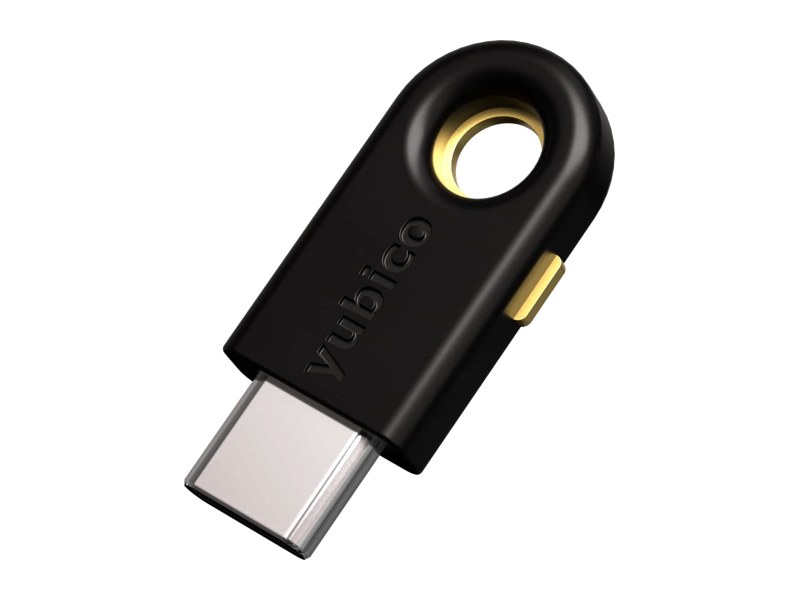
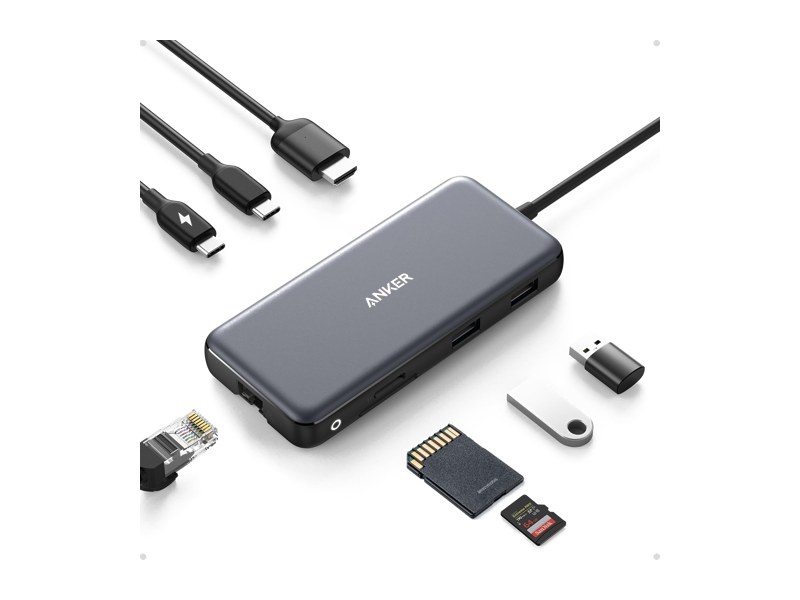
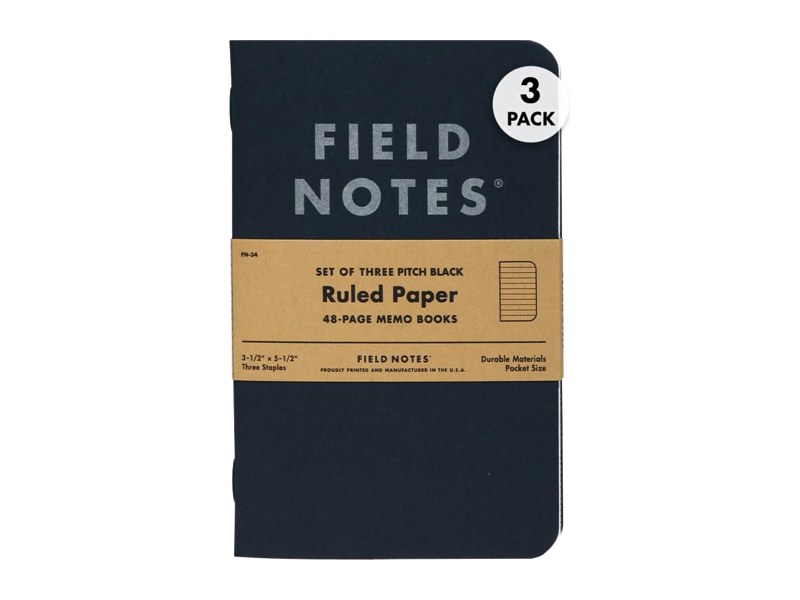
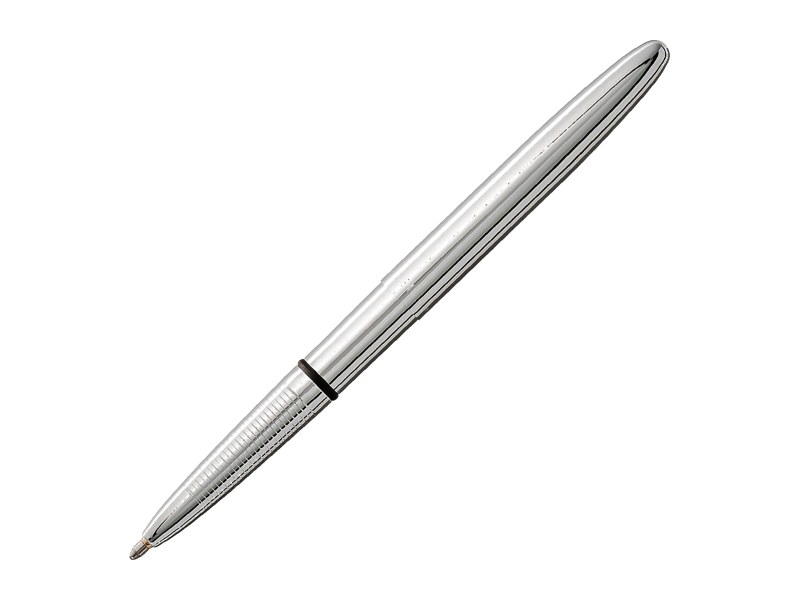
The piece that earns the key ring is the YubiKey. A password manager is software. A hardware key is the thing you have to be holding, which is the point when a login prompt shows up on a machine you do not own. The Anker hub is the other half of that: HDMI, Ethernet, and a card slot in one puck, so a conference-room laptop can drive the screen without a scavenger hunt. The Field Notes book is for the thing you will not remember by standup. The Fisher bullet is the pen that fits next to it.
Everyday Carry Blog is an independent site with no connection to Everydaycarry.com. Every Amazon link on this page was checked against a live listing title before it went up.
Editor’s Insight
Start with the key. The YubiKey 5C on this page is the USB-C model, title confirmed. Yubico also sells a 5C NFC that taps a phone; that listing did not come back with a readable title, so this page links the USB-C key and says so. Either way the job is the same. Plug it in, tap the gold disc, and the login does not depend on a text message that may never arrive in a basement conference room. Keep a second key at home. One key on one ring is a single point of failure, and losing it on a travel day is a bad afternoon.
The hub is for the room, not the pocket. The Anker 8-in-1 is about 4.8 by 2.2 inches: HDMI at 4K, Ethernet, USB-C and USB-A, SD and microSD. It lives in the bag because a meeting room that "has a screen" often has a screen and nothing else. A cable-only kit is lighter and also useless the moment the room wants Ethernet. If your company issues a dock, use that and skip this slot.
The notebook is a Field Notes Pitch Black, 3.5 by 5.5 inches, sold as a three-pack. One book in the pocket, two in the drawer. It is for the number, the name, and the bug you will not reconstruct from memory at 4 p.m. The Fisher bullet is the pen that closes short enough to live beside it. Pressurized ink, writes at a weird angle, and does not need a cap hunt.
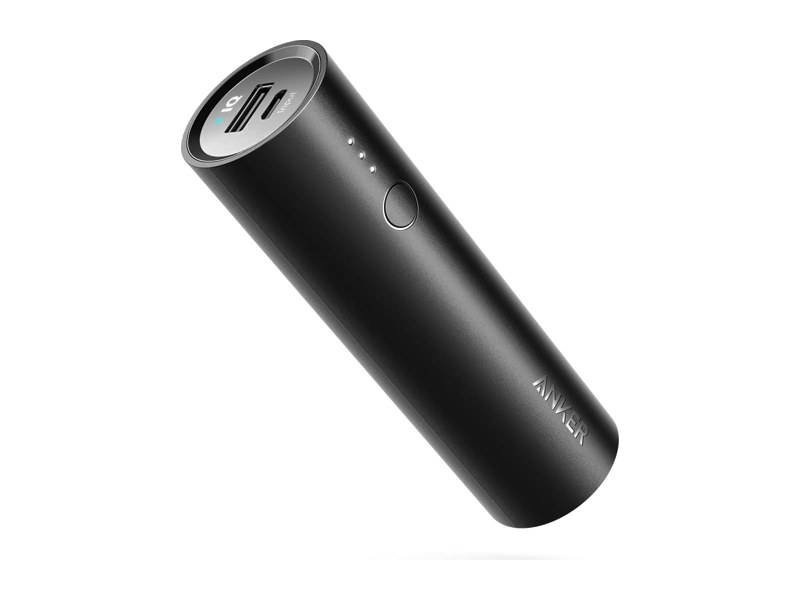
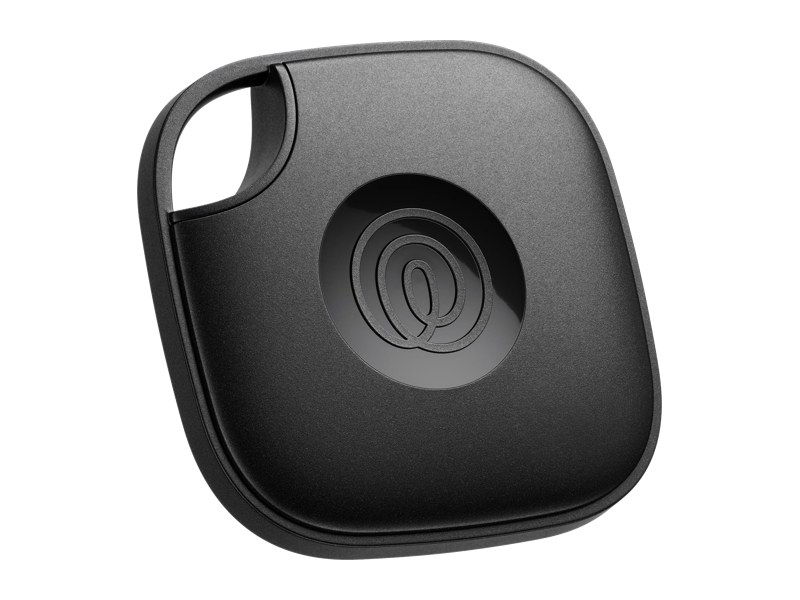
The Anker PowerCore 5,000mAh is one phone charge. A day of calls and a laptop that will not share its port will empty a phone before the train home. The Life360 Tile rides the same ring as the YubiKey. The bag gets left under a conference table more often than anyone admits, and a key ring with a tracker on it is easier to find than a bag with nothing on it.
What stays off the list on purpose: the laptop, noise-cancelling headphones, a mechanical keyboard, and any "developer" gadget that only makes sense at a permanent desk. If the company issued it, it is not a kit item.
If you are building this from nothing, buy the YubiKey first and register a backup before you depend on it. The notebook and the pen next. The hub when you start borrowing rooms. The power bank and the tracker when you start leaving the bag behind.
Closing Remarks
Software engineer EDC is the gear that leaves with you, not the desk you sit at. Carry the key, the notebook, and a way to drive a screen that is not yours. This page is a gear list, not a security audit — if you work this role, tell us what your bag actually holds.