
ROLE · NURSE PRACTITIONER
Nurse Practitioner EDC Kit
Nine pocket pieces for the walk between exam rooms: a light, folding shears, a pen that writes wet, and a stethoscope that stays in the bag.
Built from what working clinicians clip on, not from a gift-shop set. Issued badges, credentials, and the clinic's diagnostic kit stay off the shopping list.
Items & Gear List
Ten items, one link each. Every card goes straight to the product.
Kit Insight
A nurse practitioner's carry is the kit that has to be in the room, not the kit that looks complete in a photo. Most of the day is spent walking between exam rooms. The cart stays behind. What earns a pocket is whatever you reach for before the door closes: a light, a pair of shears, a pen that still writes, and a place to put the number you were just given.
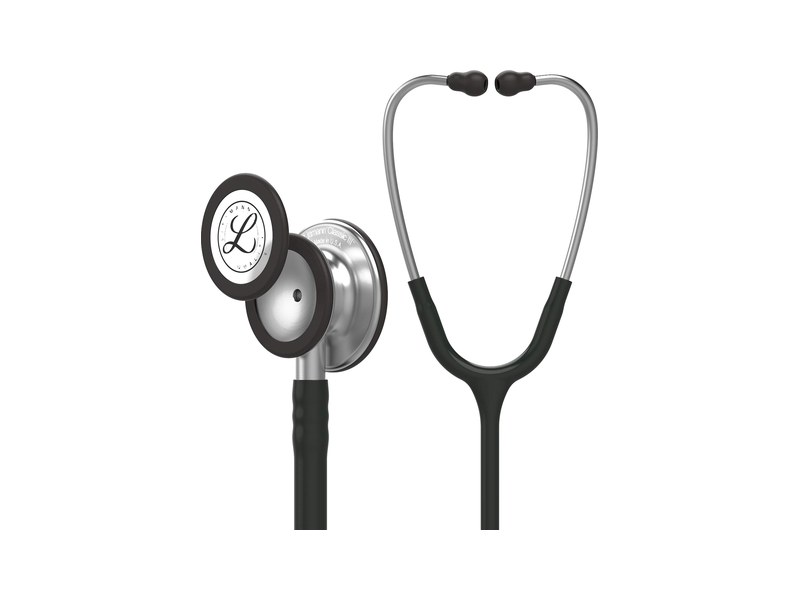
This page is built from that habit, not from a catalog of "nurse accessories." The Littmann Classic III is the one piece that does not live in a pocket. It rides in the bag between patients and comes out for the exam, because a 69 cm stethoscope is not a coat-pocket object and should not be forced into one. Everything else here is small enough to clip, fold, or sit in a breast pocket through a full shift.
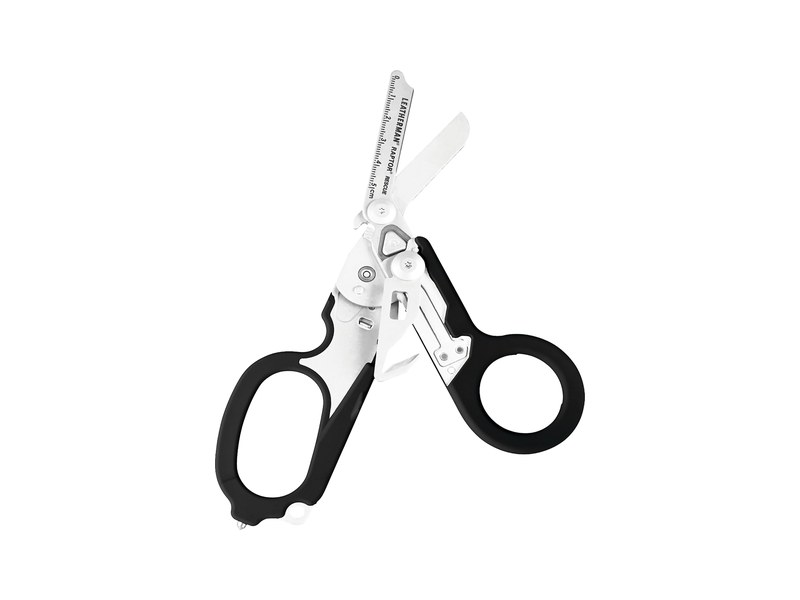
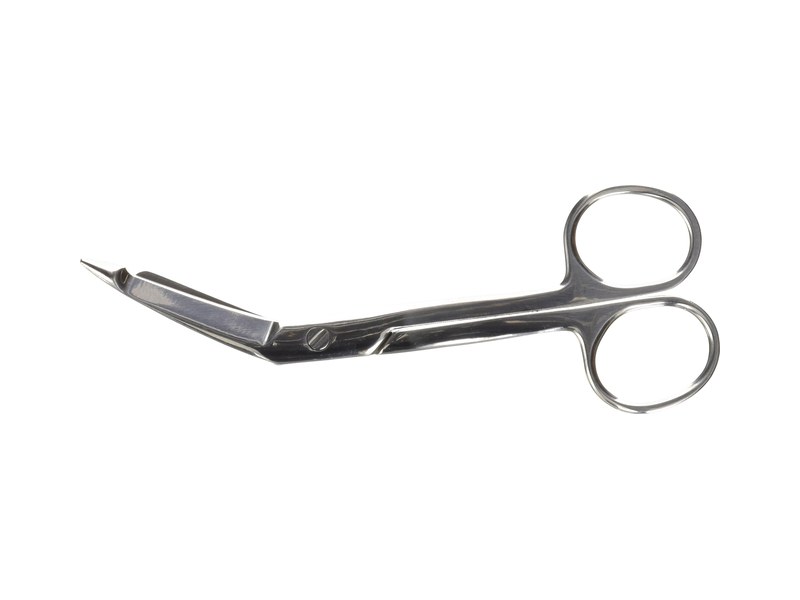
Two cutting tools, two jobs. The Leatherman Raptor folds shut and clips on, and it is the pair you want when clothing, tape, or a strap is in the way. The Prestige Lister scissors are the quieter pair: bandage and dressing work, autoclave-safe, and cheap enough to replace when they walk off. A knife is not on this list. A blade is the wrong tool for dressings, and most hospitals already have a policy that makes the argument for you.
Credit for the pocket pattern goes to working nurses who write down what they actually clip on — penlight, shears, a Sharpie, a badge reel, two pens — rather than to a gift-shop set. Everyday Carry Blog is an independent site with no connection to Everydaycarry.com. The picks here are ours, and every linked product was checked against a live listing before it went on the page.
Editor’s Insight
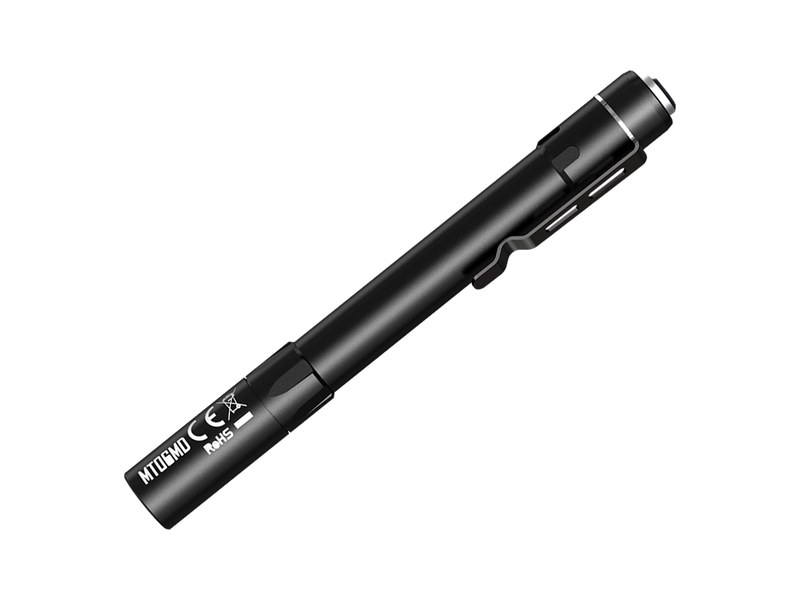
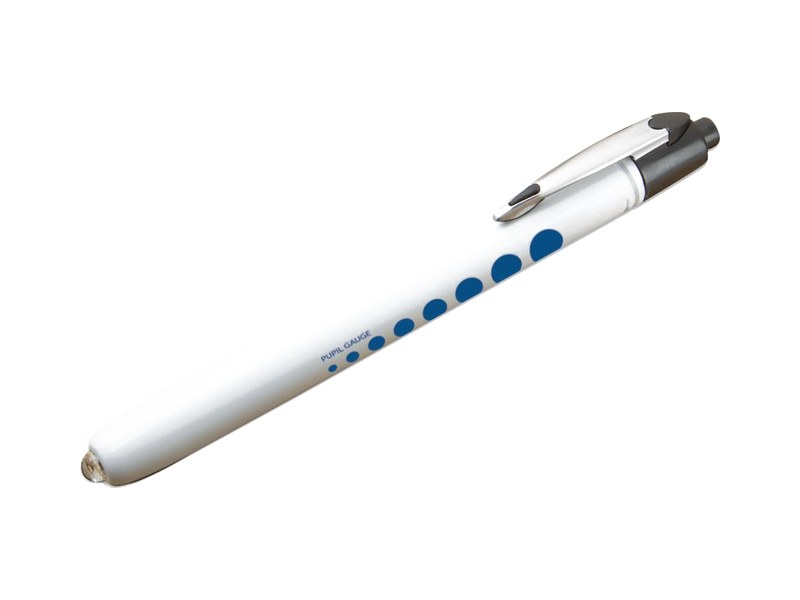
Start with the light, because a shift without one means borrowing one. The Nitecore MT06MD is the exam light: a penlight built for medical inspection, with a pupil gauge and a beam that holds color instead of washing the skin out. The ADC Metalite is the second light, the one that can be lost, lent, or left in a pocket through the laundry. Carrying both is not redundancy for its own sake. One is the tool you trust for an exam. The other is the one you can hand to a student.
The Raptor earns the clip because it folds. Open trauma shears live in a bag and get left there. Folding shears with a strap cutter and a glass breaker stay on the person, which is the only place they help on the walk between rooms. The Lister pair stays in the coat for the ordinary work: tape, gauze, a dressing that needs a clean cut. If the clinic already stocks both at every station, carry one of them and stop there.
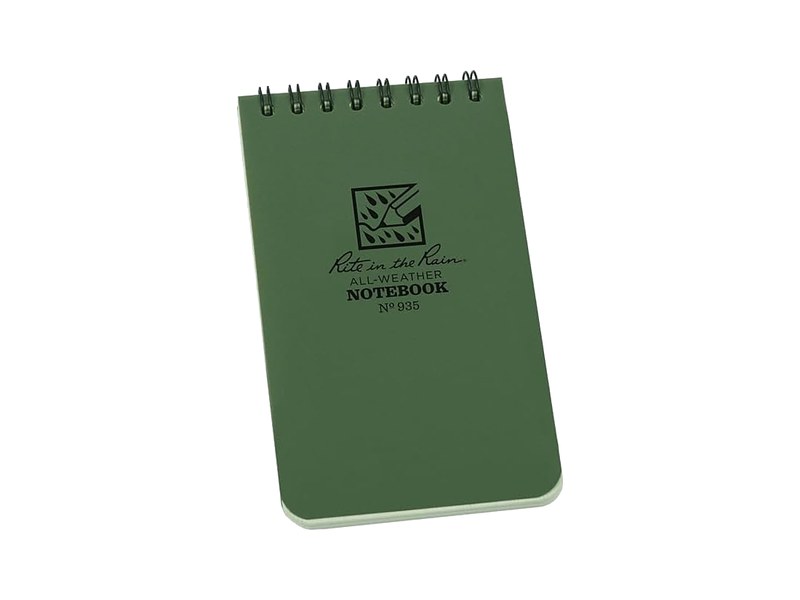
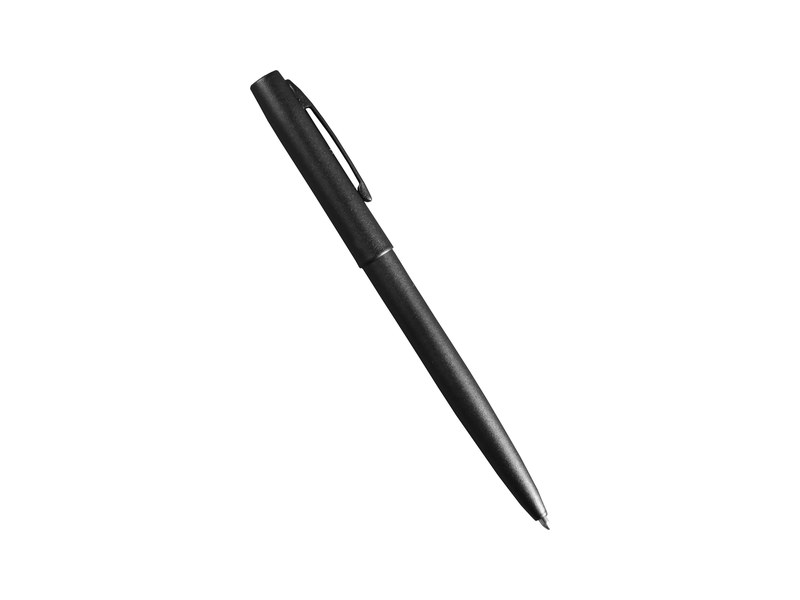
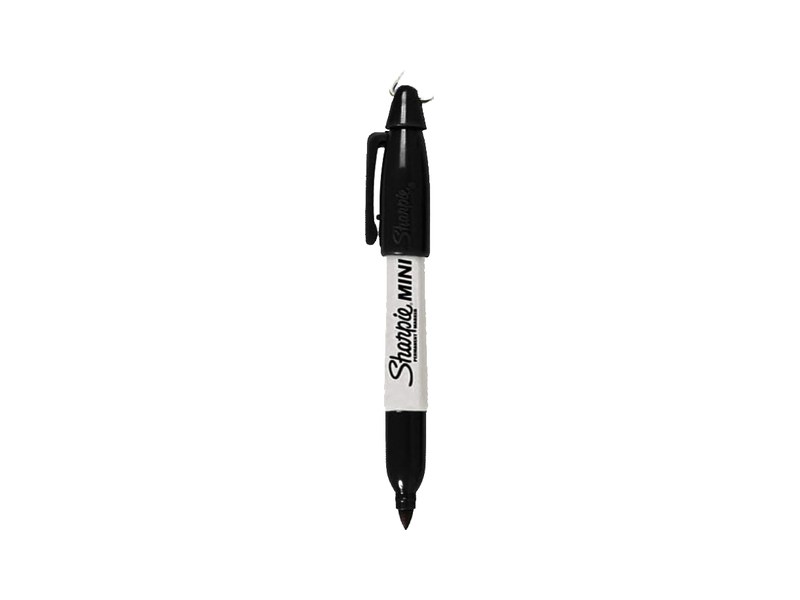
Writing tools fail in a specific way on a clinical shift. A gel pen skips the moment the paper is damp, and a full-size Sharpie does not fit the pocket that still has the shears in it. The Rite in the Rain No. 97 writes on wet paper and upside down. The No. 935 notebook is 3 by 5 inches, small enough for a coat pocket, and the paper does not dissolve if the pocket does. The Sharpie Mini marks a dressing, a cup, or a bag without borrowing the unit's last marker. None of this replaces the chart. It is what you write before you get back to the chart.
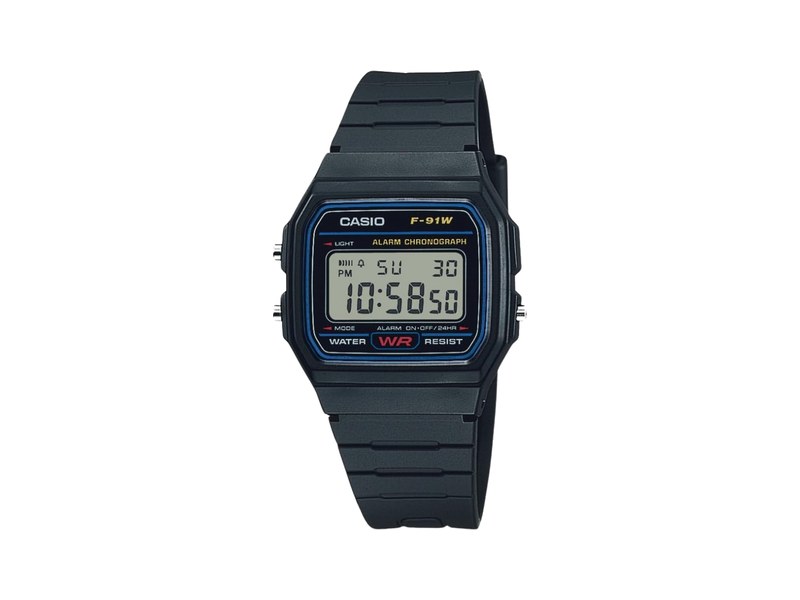
The Casio F-91W is here because a shift watch has one job: it has to be on the wrist at 3 a.m., it has to have a light, and it has to be cheap enough that a lost one is an errand, not a loss. A smartwatch that needs a charge before the night shift is the wrong tool for this pocket.
What is not on the shopping list, on purpose: the employer badge and access token, the DEA and state credentials, the diagnostic set the clinic owns, and any medication. Those are issued, tracked, or regulated. A link does not belong on them. The badge reel slot is left open for the same reason the listing has to be specific — a reel is a real pocket item, and a vague product page is not a product. If you already clip a Key-Bak or the reel your employer hands out, keep that one.
If you are building this from nothing, buy the penlight, the shears, and the stethoscope first. The notebook and the pen come next. The rest fills in once you know which pocket actually has room.
Closing Remarks
Nurse practitioner EDC is a coat-pocket problem with one bag item. Carry the light you will use in the room, the shears that fold, and a pen that still writes when the paper does not. Leave the issued gear to the employer. This page is a gear list, not clinical advice — if you work this role, tell us what your pocket actually holds.