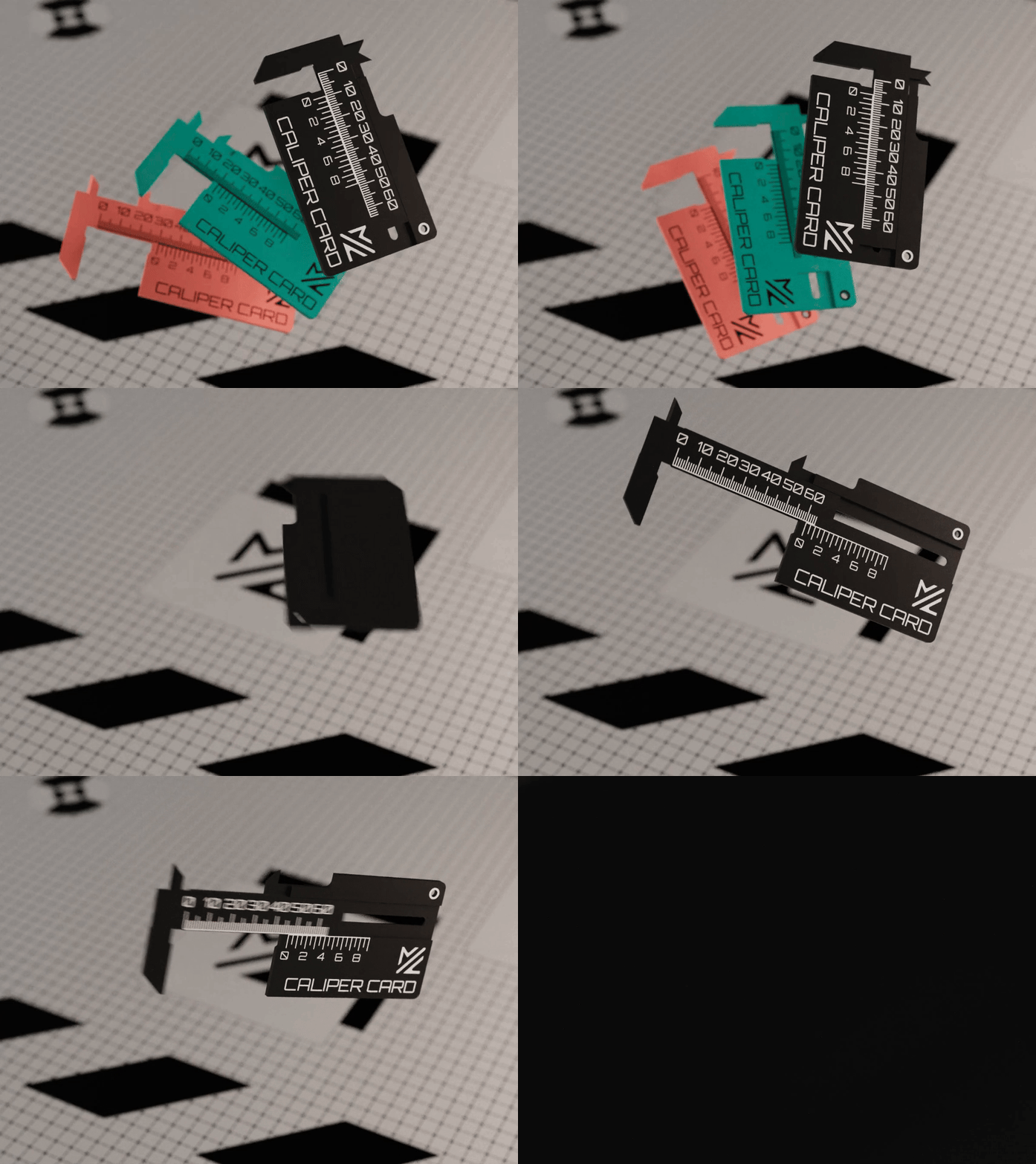
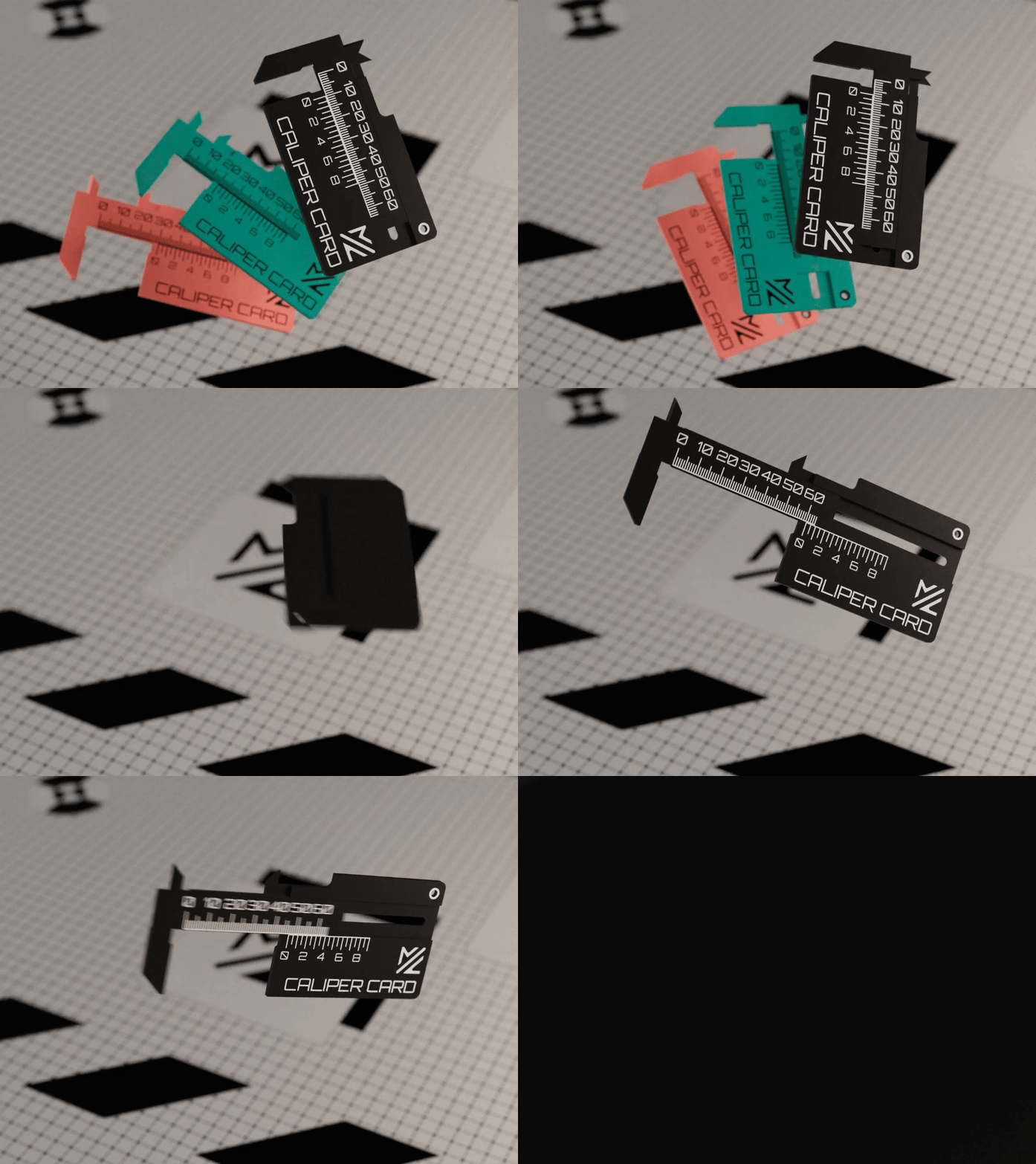
Vernier caliper card // SmartDeck collection
Why I Like It
A Vernier caliper that fits in a card slot sounds like a trick, but this is a genuinely functional measuring tool. The SmartDeck collection is built around the idea that precision instruments don’t have to live in a drawer — they can travel with you, flat in a wallet or notebook pocket, ready when you need a quick measurement in the field.
The tolerances on this print are critical. This is not a job for draft settings or cheap filament. Use a well-calibrated machine, 0.1mm layer height if your printer can do it cleanly, and a filament with minimal shrinkage — PETG is the go-to here for its dimensional stability. A smooth surface finish matters too: rough layers on the sliding scale will add friction and throw off your readings.
In practice, you’ll use this more than you expect. Measuring bolt diameters, checking gap widths, sizing rings or bracelet inner diameters — all doable with a card caliper. It won’t replace a precision digital caliper for serious machining work, but as a pocket EDC tool for quick field reference, it punches well above its weight. The SmartDeck ecosystem is worth exploring if you like utility prints that are also legitimately elegant.
What Filament Should You Use?
Here’s a quick breakdown of the three most common filaments for EDC gear so you can pick the right one for your setup:
| Filament | Hardness | UV Resistance | Durability | Best For |
|---|---|---|---|---|
| PETG | Medium | Fair | High | Everyday indoor/EDC carry, food-safe prints, flexible-tough balance |
| ABS | High | Poor | High | Rigid structural parts, heat-resistant applications (e.g. car/glove box gear) |
| ASA | High | Excellent ☀️ | Very High | Outdoor EDC, belt/bag attachments, anything exposed to sun or weather |
TL;DR: Use PETG for most EDC prints — easy to work with and tough enough. Use ASA if the piece will live outdoors or in direct sunlight. Use ABS if you need maximum rigidity and heat resistance and have an enclosure on your printer.