Video Overview
Pack Hacker Reviews puts the YETI Ranchero 22L Backpack through two weeks of real-world use before reporting back. Built from Tuffskin 700D abrasion-resistant nylon with a PU-coated 840D base, YKK weather-resistant zippers, and Duraflex hardware, the Ranchero 22L is YETI’s entry into the everyday carry backpack category — sized for commuting and day use, but built to the same durability standard as YETI’s coolers and drinkware. Pack Hacker covers every external feature, the RipZip Y-shaped main compartment opening, the harness system, fit across body types, and the full secondary compartment layout in their standard two-week format.
Items and/or Gear Mentioned in the Video
- YETI Ranchero 22L Backpack – Purchase on Amazon
- YETI Ranchero 27L Backpack – Purchase on Amazon
- Aer Split Kit – Purchase on Amazon
The YETI Ranchero 22L earns a 7.4/10 (Good) from Pack Hacker. At 3.2 lbs with a 22L capacity and an 18.5″×11″×9″ footprint, it’s a compact daypack with heavy-duty credentials — the Tuffskin 700D nylon exterior and PU-coated base construction are the same specification YETI uses across their outdoor hardgoods lineup. The YETI Ranchero 27L is the direct sibling and shares the same harness system, making the size decision largely about daily carry volume rather than feature trade-offs.
Editor’s Insight
YETI built their reputation on coolers that could survive being dragged behind a boat and run over by a truck. The Ranchero 22L applies the same design philosophy to a daily backpack — which produces a bag with undeniable durability credentials and a few ergonomic trade-offs that prospective buyers should understand before committing. The 7.4/10 score is an accurate reflection of where the Ranchero sits: a legitimately good bag that makes specific choices in favor of durability and structure over lightweight comfort.
The Tuffskin 700D abrasion-resistant nylon is the defining material decision. 700D is a heavy weave — most daypacks in this size range use 400-500D nylon or even lighter ripstop fabrics. The 840D base adds another layer of impact resistance at the most vulnerable contact point. Combined with the PU coating for weather resistance and YKK’s coated weather-resistant zippers, the Ranchero 22L is built to handle conditions that would destroy a typical commuter bag — sustained rain, abrasive surfaces, repeated drops onto hard floors. For users who need a bag that will last years under heavy daily use, the material spec justifies the weight premium.
The RipZip Y-shaped opening is the most distinctive feature of the Ranchero’s main compartment. One zipper runs vertically down the front face of the bag, meeting two angled zippers at the top of the opening — the resulting Y-shape allows you to open just the lid portion to access devices in the top sleeve without disturbing the packed contents below. It’s a clever organizational solution that eliminates the frustrating dig-through-the-whole-bag problem common in clamshell packs. Pack Hacker notes the zippers are stiff initially and require a break-in period — expect two to three weeks of daily use before they slide easily.
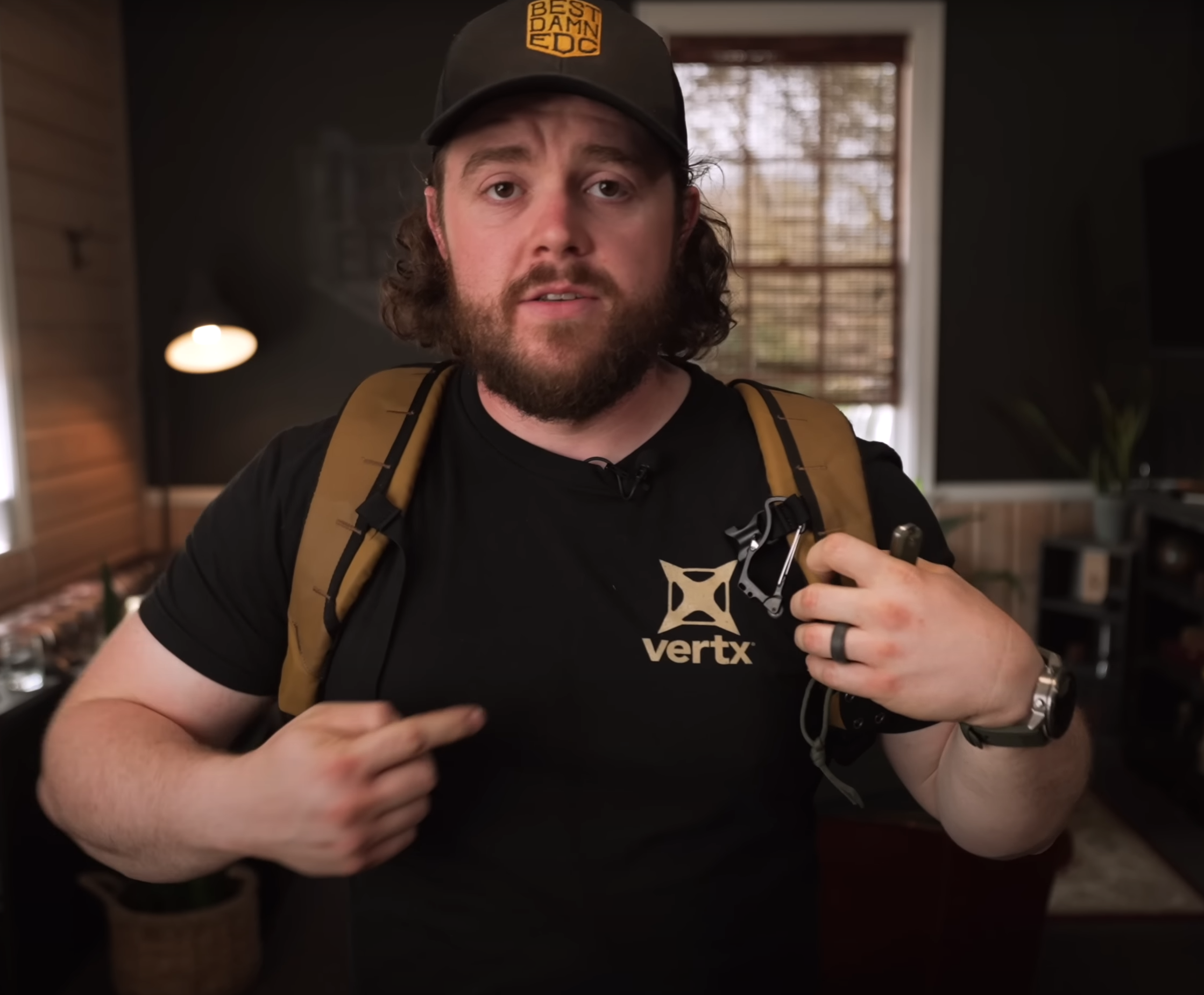
The harness system is the most polarizing element of this review. YETI uses the same harness design across both the 22L and the larger 27L — a system with load lifters, dual adjusters per strap, a sternum strap on a daisy chain slider, and thick foam padding. For a 27L bag loaded at 20-25 lbs, this harness makes sense. On a 22L daypack that most users will carry at 8-15 lbs, it’s substantial: the straps are stiff, can dig into the trapezius muscles before they break in, and create a fit that feels more technical outdoor than everyday urban. For buyers who prioritize comfort from day one, this is worth factoring in — but the harness does become more comfortable over time as the foam compresses to your shoulder shape.
The top quick-access pocket is a genuine organizational win. It spans the entire lid width, includes a mesh bottom panel (which means items don’t sink to the back), and has a key leash with a gatekeeper carabiner clip. Pack Hacker confirmed it fits a phone, wallet, toiletry pouch, and keys without overcrowding — which covers the fast-access items most users need during the day without touching the main compartment. The Aer Split Kit shown as a packing example in the main compartment interior slip pockets demonstrates the organization depth: the Ranchero accommodates dedicated packing systems rather than expecting users to wing it with loose items.
The structural stiffener between the base and the liner is an underappreciated design detail. Most daypacks at 22L collapse and look deflated when lightly packed — the Ranchero holds its shape regardless of contents, which creates a more polished silhouette and makes it easier to locate items without rooting around a collapsed bag. The trade-off is that the bag won’t compress down to save space when traveling light, and the structure adds to the overall weight. For buyers who want a packable secondary bag, the Ranchero is the wrong choice. For buyers who want a single daily bag that presents consistently, it’s the right one.
The dual external bottle pockets are sized for YETI Rambler bottles — which is an intentional ecosystem play — but they work fine with standard wide-mouth bottles. Pack Hacker notes the compression straps partially block access to these pockets when cinched down, requiring you to loosen the straps before inserting or removing a bottle. It’s a minor friction point that becomes habitual quickly, but it’s worth knowing before purchase if you hydrate constantly during your commute.
Fit notes from Pack Hacker across two body types: the 22L works well for a 6’0″ frame with the harness adjusted properly, and fits a 5’5″ frame with the straps at or near minimum extension. For smaller frames, the 22L’s torso length may push the hip belt slightly high — not a dealbreaker on a daypack without significant load transfer requirements, but something to check before committing if you’re on the smaller end of the size range.
Closing Remarks
The YETI Ranchero 22L earns its 7.4/10 through durable construction, smart organizational features, and a structured silhouette built for daily use. It’s not the lightest or most ergonomically effortless bag in its size class — it’s the one most likely to still look and perform the same in five years. Watch the full Pack Hacker two-week review for fit testing and the main compartment breakdown. What do you carry daily? Drop it in the comments. Affiliate links above support the site at no extra cost to you.