
EVERYDAY CARRY BLOG

Listen to This Fidget Ring – ACEDC Shadow Raider Fidget Ring

By Fashion, Gadgets, Video

Video Overview

Thanks to Excessorize Me for this video covering 1 item featuring pocket-friendly tactile carry items. Excessorize Me consistently delivers hands-on, practical coverage of everyday carry gear — the kind of channel that focuses on how things actually perform rather than spec-sheet talking points. Whether you’re building your first kit or refining a carry you’ve had for years, the gear in this video is worth knowing about.

Items and/or Gear Mentioned in the Video

The ACEDC Shadow Raider Fidget Ring is the clear headline item here — check the Amazon link above for current pricing and availability. Watch the full video for the hands-on breakdown.

Editor’s Insight

Excessorize Me has carved out a distinctive niche in the EDC space by covering gear that crosses aesthetic and function categories — not just tools and knives, but wearables, tech accessories, and lifestyle carry that reflects how people actually dress and move through their day.

Single-product deep dives like this one from Excessorize Me offer something roundups can’t: time to get into the details that matter — deployment, feel in hand, long-term durability signals, edge cases and failure modes. If any of the gear here is on your radar, this kind of focused coverage is worth more than a thirty-second mention in a ten-item list.

The gear in this video spans the kind of daily utility that EDC is actually about: items that solve real problems, built well enough to outlast cheap alternatives, priced accessibly enough to be practical choices rather than aspirational ones. Excessorize Me’s selection here reflects a consistent editorial judgment — gear earns its place in the video the same way it earns its place in a carry kit: by being genuinely useful.

The ACEDC Shadow Raider Fidget Ring is the kind of item that typifies this video’s selection philosophy — something specific enough to have a clear use case, well-made enough to represent the quality ceiling for its price tier, and carry-friendly enough to not require justification every morning. The EDC community has developed a reliable signal for gear at this level: it tends to stay in the kit. Items that don’t earn their carry weight get rotated out; the ones that survive are the ones that keep solving problems without creating new ones.

Pricing in the EDC space follows a recognizable curve: there’s a floor below which quality drops off sharply, a middle zone where you get genuine value, and an upper tier where you’re paying for brand, limited production, or materials that exceed daily carry requirements. Most of the items in this video sit in that middle zone — priced high enough to be well-made, low enough to be practical choices for actual daily use rather than collection pieces. For someone building a carry kit with a real budget, that’s the tier worth focusing on.

The target audience for a Excessorize Me video is someone who thinks about their carry with intentionality but isn’t a full-time gear reviewer. They have a sense of what they already use well and what gaps exist — maybe the bag situation is sorted but the light situation isn’t, or the knife is dialed in but the wallet is a ten-year-old billfold stuffed with receipts. Videos like this one work as a prioritization tool: here are 1 options worth knowing about, with enough context to understand which problems they solve and whether those problems match yours.

Everyday carry gear earns its keep over time. Unlike a gadget you buy for a specific project and shelve, carry items accumulate use history — the wear on a leather wallet, the scratches on a titanium pry bar, the fading on a knife’s pocket clip tell a story of actual use. The items in this video, like most of what Excessorize Me covers, are chosen for durability as much as function. Spending $60 on a well-made carry item you’ll use daily for five years costs less per use than spending $20 on something you’ll replace twice a year. That math compounds over a lifetime of carrying.

Single-product or small-collection videos like this one from Excessorize Me go deeper than roundups — there’s time to cover edge cases, failure modes, and comparison context that gets cut from a ten-item list. If any of the items here are on your radar, the full video is worth watching before committing. Excessorize Me is consistent about covering both what works and what doesn’t, which is a more useful standard than channels that treat every product as worthy of a strong recommendation.

Closing Remarks

Big thanks to Excessorize Me for the consistent, hands-on EDC coverage. If you found something worth adding to your kit, drop a comment below — what’s currently in your pockets, what problem you’re trying to solve, or which item from this video caught your eye. We read every comment. Subscribe to Excessorize Me on YouTube for regular gear coverage that’s grounded in real-world use.

Disclosure: Some links on this page are affiliate links. If you purchase through them, we may earn a small commission at no additional cost to you.


The Best EDC Possibles Pouch Setup

By Tools, Travel

Video Overview

Marine X — Marine veteran and everyday carry enthusiast out of Plano, Texas — breaks down his go-to possibles pouch build from the ground up. This isn’t a glamour carry; it’s a purpose-driven kit designed around real-world utility. From fire-starting tools to emergency signaling gear, every item in the pouch has a reason to be there. Big thanks to Marine X for putting together such a thorough and practical breakdown, and to Vaer Watches for sponsoring the video.

Gear List

Editor’s Insight

Marine X calls this his “possibles pouch” — a term with deep roots in frontier and military history, referring to a small kit of essential tools carried on your person for any situation. What he’s built here is a modern take on that concept, and it’s one of the more comprehensive pocket survival kits I’ve seen presented in the EDC space.

The foundation is the Maxpedition Beefy Pocket Organizer — a compact, MOLLE-compatible nylon pouch that’s been a staple in tactical carry communities for years. It’s not fancy, but it’s well-organized and built to survive genuine field use. The layout gives you quick access to layered gear without turning your carry into a dig-fest every time you need something.

Fire-starting gets serious attention here, which makes sense for a Marine vet who knows what “shelter from the elements” actually means. The Ferro Rod, Bic Lighter, and Waterproof Matches give Marine X three independent paths to fire — and storing the matches in a small waterproof container is a detail that separates prepared kits from gear-collection kits. The Knife Sharpener rounds out the fire prep by making sure his Bradford Guardian can baton or process tinder when it matters.

The Bradford Guardian itself is a standout choice. It’s a full-tang fixed blade with a Scandi grind — designed for work, not show. Paired with the Gerber MP600 (one of the most trusted multi-tools in military and law enforcement use), the cutting and tool capabilities in this pouch are genuinely capable for field scenarios, not just urban emergencies.

The signaling and navigation tools — Signal Mirror, Compass, and Survival Cards — are lightweight and low-profile, but they fill a gap that most EDC kits completely ignore. A signal mirror has a longer effective range than any flashlight for daylight rescue signaling. The compass doesn’t rely on batteries. These are the items that matter most when modern technology fails.

The Silcock Key is an interesting urban survival addition — it allows access to spigots and water connections on commercial buildings that are typically locked. It’s a small, lightweight piece of kit that most people would never think to carry, but has obvious value in a water-access emergency.

Topping the kit off is the Vaer S5 Tactical Field Watch — the video’s sponsor, but a legitimate choice for this kind of carry. Vaer’s S5 is built on Swiss movements with a military-inspired field aesthetic, water resistance to 200M, and a sapphire crystal. It’s a reliable timekeeping tool that doesn’t require charging.

This is a well-thought-out, honest possibles pouch from someone who’s carried gear in environments where it actually had to work. No fluff, no filler.

Closing Remarks

If you’ve been looking to build out a dedicated survival or emergency pouch for your EDC bag, Marine X’s setup is a solid template. It’s layered, redundant where it counts, and built around genuine preparedness rather than aesthetics. Thanks to Marine X for the thorough breakdown — give his channel a follow if you’re into tactical EDC and survival-minded gear. Use the links above to start building your own version, piece by piece.

SOLD OUT! This Sling is Ultra Special (Pack Hacker x Aer Collab)

By Bags, Tools

Video Overview

Pack Hacker just dropped something we’ve been waiting on for a while — their first-ever product collaboration, built alongside longtime favorite Aer. After 17 months of testing, prototyping, and refining every last detail, the result is the Ultra Sling: a 2-liter everyday carry sling designed to go anywhere and hold up to anything. Big thanks to the Pack Hacker team for pulling back the curtain on the whole design process and delivering something that genuinely pushes what a daily sling can be.

Gear List

Editor’s Insight

The Pack Hacker x Aer Ultra Sling is the kind of product you don’t rush — and that patience shows in every detail.

At the center of the design is the Challenge Sailcloth Ultra200X fabric, and it’s a serious upgrade over standard nylon slings. The Pack Hacker team field-tested an earlier iteration in Lisbon and got soaked for a week straight, which led directly to this material choice. Ultra200X is renowned in the sailing world for its combination of light weight, UV resistance, and serious weather protection. Pair that with reverse-coil YKK zippers — which physically block water from seeping through — and you’ve got a sling that can handle daily commutes, transit days, and unexpected downpours without complaint.

At 2 liters, the Ultra Sling isn’t trying to replace your main travel bag. It’s built to be the thing that’s always on you. The rounded-rectangle silhouette came from real iteration: early squared edges looked blocky and a bit utilitarian. The final profile is softer, more refined, and wears well regardless of how you’re dressed. This is the kind of sling that doesn’t look out of place at a coffee meeting or on a hiking trail.

The shoulder strap is where the Pack Hacker and Aer teams clearly put the most back-and-forth. Earlier versions had the strap sewn directly into the bag — a design that causes the classic sling problem where the strap bunches and buckles awkwardly at the attachment point. The solution was a Duraflex swivel buckle, which lets the strap pivot naturally with your body, whether you wear it tight across your chest or loose over one shoulder. It’s one of those changes that sounds subtle until you actually wear it for a few hours.

Then there are the lash straps. Tucked flush against the base of the bag, they’re invisible until you need them. Pack Hacker’s suggested use — attaching a MODL Infinity Tool 2.0 on each side to hold an umbrella — is practical and clever. It keeps your bag size-appropriate while adding utility that’s hard to get from a standard sling. The additional loops at the strap anchor points give you even more options for hanging gear or accessories on longer carry days.

The branding is restrained throughout: debossed logos, Hypalon tabs on the straps, and small accent color on the zipper pull tips. It reads as considered rather than corporate. This isn’t a billboard for either brand — it’s just a well-made bag that happens to be a milestone product.

After ten years and 70 tested Aer products, Pack Hacker earned the right to call this one theirs, too. The Ultra Sling is what happens when a review team with strong opinions about gear finally gets to build exactly what they’ve always wanted in a daily carry sling.

Closing Remarks

The Pack Hacker x Aer Ultra Sling is a rare thing in the gear world: a collaboration that actually delivers on the hype. Every material choice, hardware decision, and design iteration has a reason behind it, and it shows in the final product. If you’re in the market for a premium everyday sling that’s built for real use — not just good looks — this one is worth tracking down. Big thanks to Pack Hacker for bringing us along on the full design journey. Check out their channel for in-depth gear reviews, and use the links above to explore the gear that caught your eye.

My New Everyday Carry Sling Bag – Harber London Venture Sling Bag

By Bags, Pocket Dump, Video

Video Overview

Thanks to Excessorize Me for this video covering 1 item exploring carry organization and bag options. Excessorize Me consistently delivers hands-on, practical coverage of everyday carry gear — the kind of channel that focuses on how things actually perform rather than spec-sheet talking points. Whether you’re building your first kit or refining a carry you’ve had for years, the gear in this video is worth knowing about.

Items and/or Gear Mentioned in the Video

The Harber London Venture Sling Bag is the clear headline item here — check the Amazon link above for current pricing and availability. Watch the full video for the hands-on breakdown.

Editor’s Insight

Excessorize Me has carved out a distinctive niche in the EDC space by covering gear that crosses aesthetic and function categories — not just tools and knives, but wearables, tech accessories, and lifestyle carry that reflects how people actually dress and move through their day.

Pocket dump videos work best when the creator is carrying gear they’ve actually chosen and refined over time — not a sponsored collection assembled for the camera. This video from Excessorize Me reads as the real thing: a carry built around actual daily use patterns rather than maximum impressiveness. That authenticity is what makes it useful as a reference point for your own kit building.

The sling bag and everyday carry pouch category has matured into genuine quality territory. The best options now use the same hardware and fabrics as premium travel bags — YKK zippers, Cordura nylon, bar-tacked stress points — at price points that don’t require justification. The differentiator at this tier is usually internal organization: how well the layout separates your items, how quickly you can access what you need, and whether the bag collapses when it’s half-full or holds its shape. These are things you learn from real use, which is why carry-tested reviews like this one are useful.

The Harber London Venture Sling Bag is the kind of item that typifies this video’s selection philosophy — something specific enough to have a clear use case, well-made enough to represent the quality ceiling for its price tier, and carry-friendly enough to not require justification every morning. The EDC community has developed a reliable signal for gear at this level: it tends to stay in the kit. Items that don’t earn their carry weight get rotated out; the ones that survive are the ones that keep solving problems without creating new ones.

Pricing in the EDC space follows a recognizable curve: there’s a floor below which quality drops off sharply, a middle zone where you get genuine value, and an upper tier where you’re paying for brand, limited production, or materials that exceed daily carry requirements. Most of the items in this video sit in that middle zone — priced high enough to be well-made, low enough to be practical choices for actual daily use rather than collection pieces. For someone building a carry kit with a real budget, that’s the tier worth focusing on.

The target audience for a Excessorize Me video is someone who thinks about their carry with intentionality but isn’t a full-time gear reviewer. They have a sense of what they already use well and what gaps exist — maybe the bag situation is sorted but the light situation isn’t, or the knife is dialed in but the wallet is a ten-year-old billfold stuffed with receipts. Videos like this one work as a prioritization tool: here are 1 options worth knowing about, with enough context to understand which problems they solve and whether those problems match yours.

Everyday carry gear earns its keep over time. Unlike a gadget you buy for a specific project and shelve, carry items accumulate use history — the wear on a leather wallet, the scratches on a titanium pry bar, the fading on a knife’s pocket clip tell a story of actual use. The items in this video, like most of what Excessorize Me covers, are chosen for durability as much as function. Spending $60 on a well-made carry item you’ll use daily for five years costs less per use than spending $20 on something you’ll replace twice a year. That math compounds over a lifetime of carrying.

Single-product or small-collection videos like this one from Excessorize Me go deeper than roundups — there’s time to cover edge cases, failure modes, and comparison context that gets cut from a ten-item list. If any of the items here are on your radar, the full video is worth watching before committing. Excessorize Me is consistent about covering both what works and what doesn’t, which is a more useful standard than channels that treat every product as worthy of a strong recommendation.

Closing Remarks

Big thanks to Excessorize Me for the consistent, hands-on EDC coverage. If you found something worth adding to your kit, drop a comment below — what’s currently in your pockets, what problem you’re trying to solve, or which item from this video caught your eye. We read every comment. Subscribe to Excessorize Me on YouTube for regular gear coverage that’s grounded in real-world use.

Disclosure: Some links on this page are affiliate links. If you purchase through them, we may earn a small commission at no additional cost to you.

I Put My Phone Underwater… – Spigen AquaShield Pouch

By Bags, Tech, Video

Video Overview

Thanks to Excessorize Me for this video covering 1 item exploring carry organization and bag options. Excessorize Me consistently delivers hands-on, practical coverage of everyday carry gear — the kind of channel that focuses on how things actually perform rather than spec-sheet talking points. Whether you’re building your first kit or refining a carry you’ve had for years, the gear in this video is worth knowing about.

Items and/or Gear Mentioned in the Video

The Spigen AquaShield Pouch is the clear headline item here — check the Amazon link above for current pricing and availability. Watch the full video for the hands-on breakdown.

Editor’s Insight

Excessorize Me has carved out a distinctive niche in the EDC space by covering gear that crosses aesthetic and function categories — not just tools and knives, but wearables, tech accessories, and lifestyle carry that reflects how people actually dress and move through their day.

Single-product deep dives like this one from Excessorize Me offer something roundups can’t: time to get into the details that matter — deployment, feel in hand, long-term durability signals, edge cases and failure modes. If any of the gear here is on your radar, this kind of focused coverage is worth more than a thirty-second mention in a ten-item list.

The sling bag and everyday carry pouch category has matured into genuine quality territory. The best options now use the same hardware and fabrics as premium travel bags — YKK zippers, Cordura nylon, bar-tacked stress points — at price points that don’t require justification. The differentiator at this tier is usually internal organization: how well the layout separates your items, how quickly you can access what you need, and whether the bag collapses when it’s half-full or holds its shape. These are things you learn from real use, which is why carry-tested reviews like this one are useful.

The Spigen AquaShield Pouch is the kind of item that typifies this video’s selection philosophy — something specific enough to have a clear use case, well-made enough to represent the quality ceiling for its price tier, and carry-friendly enough to not require justification every morning. The EDC community has developed a reliable signal for gear at this level: it tends to stay in the kit. Items that don’t earn their carry weight get rotated out; the ones that survive are the ones that keep solving problems without creating new ones.

Pricing in the EDC space follows a recognizable curve: there’s a floor below which quality drops off sharply, a middle zone where you get genuine value, and an upper tier where you’re paying for brand, limited production, or materials that exceed daily carry requirements. Most of the items in this video sit in that middle zone — priced high enough to be well-made, low enough to be practical choices for actual daily use rather than collection pieces. For someone building a carry kit with a real budget, that’s the tier worth focusing on.

The target audience for a Excessorize Me video is someone who thinks about their carry with intentionality but isn’t a full-time gear reviewer. They have a sense of what they already use well and what gaps exist — maybe the bag situation is sorted but the light situation isn’t, or the knife is dialed in but the wallet is a ten-year-old billfold stuffed with receipts. Videos like this one work as a prioritization tool: here are 1 options worth knowing about, with enough context to understand which problems they solve and whether those problems match yours.

Everyday carry gear earns its keep over time. Unlike a gadget you buy for a specific project and shelve, carry items accumulate use history — the wear on a leather wallet, the scratches on a titanium pry bar, the fading on a knife’s pocket clip tell a story of actual use. The items in this video, like most of what Excessorize Me covers, are chosen for durability as much as function. Spending $60 on a well-made carry item you’ll use daily for five years costs less per use than spending $20 on something you’ll replace twice a year. That math compounds over a lifetime of carrying.

Single-product or small-collection videos like this one from Excessorize Me go deeper than roundups — there’s time to cover edge cases, failure modes, and comparison context that gets cut from a ten-item list. If any of the items here are on your radar, the full video is worth watching before committing. Excessorize Me is consistent about covering both what works and what doesn’t, which is a more useful standard than channels that treat every product as worthy of a strong recommendation.

Closing Remarks

Big thanks to Excessorize Me for the consistent, hands-on EDC coverage. If you found something worth adding to your kit, drop a comment below — what’s currently in your pockets, what problem you’re trying to solve, or which item from this video caught your eye. We read every comment. Subscribe to Excessorize Me on YouTube for regular gear coverage that’s grounded in real-world use.

Disclosure: Some links on this page are affiliate links. If you purchase through them, we may earn a small commission at no additional cost to you.

Upgraded My Desk Setup with This Retro Smart Speaker – Divoom MiniToo Bluetooth Speaker

By Gadgets, Video

Video Overview

Thanks to Excessorize Me for this video covering 1 item spanning multiple EDC categories. Excessorize Me consistently delivers hands-on, practical coverage of everyday carry gear — the kind of channel that focuses on how things actually perform rather than spec-sheet talking points. Whether you’re building your first kit or refining a carry you’ve had for years, the gear in this video is worth knowing about.

Items and/or Gear Mentioned in the Video

The Divoom MiniToo Bluetooth Speaker is the clear headline item here — check the Amazon link above for current pricing and availability. Watch the full video for the hands-on breakdown.

Editor’s Insight

Excessorize Me has carved out a distinctive niche in the EDC space by covering gear that crosses aesthetic and function categories — not just tools and knives, but wearables, tech accessories, and lifestyle carry that reflects how people actually dress and move through their day.

Single-product deep dives like this one from Excessorize Me offer something roundups can’t: time to get into the details that matter — deployment, feel in hand, long-term durability signals, edge cases and failure modes. If any of the gear here is on your radar, this kind of focused coverage is worth more than a thirty-second mention in a ten-item list.

The gear in this video spans the kind of daily utility that EDC is actually about: items that solve real problems, built well enough to outlast cheap alternatives, priced accessibly enough to be practical choices rather than aspirational ones. Excessorize Me’s selection here reflects a consistent editorial judgment — gear earns its place in the video the same way it earns its place in a carry kit: by being genuinely useful.

The Divoom MiniToo Bluetooth Speaker is the kind of item that typifies this video’s selection philosophy — something specific enough to have a clear use case, well-made enough to represent the quality ceiling for its price tier, and carry-friendly enough to not require justification every morning. The EDC community has developed a reliable signal for gear at this level: it tends to stay in the kit. Items that don’t earn their carry weight get rotated out; the ones that survive are the ones that keep solving problems without creating new ones.

Pricing in the EDC space follows a recognizable curve: there’s a floor below which quality drops off sharply, a middle zone where you get genuine value, and an upper tier where you’re paying for brand, limited production, or materials that exceed daily carry requirements. Most of the items in this video sit in that middle zone — priced high enough to be well-made, low enough to be practical choices for actual daily use rather than collection pieces. For someone building a carry kit with a real budget, that’s the tier worth focusing on.

The target audience for a Excessorize Me video is someone who thinks about their carry with intentionality but isn’t a full-time gear reviewer. They have a sense of what they already use well and what gaps exist — maybe the bag situation is sorted but the light situation isn’t, or the knife is dialed in but the wallet is a ten-year-old billfold stuffed with receipts. Videos like this one work as a prioritization tool: here are 1 options worth knowing about, with enough context to understand which problems they solve and whether those problems match yours.

Everyday carry gear earns its keep over time. Unlike a gadget you buy for a specific project and shelve, carry items accumulate use history — the wear on a leather wallet, the scratches on a titanium pry bar, the fading on a knife’s pocket clip tell a story of actual use. The items in this video, like most of what Excessorize Me covers, are chosen for durability as much as function. Spending $60 on a well-made carry item you’ll use daily for five years costs less per use than spending $20 on something you’ll replace twice a year. That math compounds over a lifetime of carrying.

Single-product or small-collection videos like this one from Excessorize Me go deeper than roundups — there’s time to cover edge cases, failure modes, and comparison context that gets cut from a ten-item list. If any of the items here are on your radar, the full video is worth watching before committing. Excessorize Me is consistent about covering both what works and what doesn’t, which is a more useful standard than channels that treat every product as worthy of a strong recommendation.

Closing Remarks

Big thanks to Excessorize Me for the consistent, hands-on EDC coverage. If you found something worth adding to your kit, drop a comment below — what’s currently in your pockets, what problem you’re trying to solve, or which item from this video caught your eye. We read every comment. Subscribe to Excessorize Me on YouTube for regular gear coverage that’s grounded in real-world use.

Disclosure: Some links on this page are affiliate links. If you purchase through them, we may earn a small commission at no additional cost to you.
This Tripod Fits in Your Wallet – GEOMETRICAL Pocket Tripod PROv2

By Fashion, Video

Video Overview

Thanks to Excessorize Me for this video covering 1 item exploring slim wallet and card-carry options. Excessorize Me consistently delivers hands-on, practical coverage of everyday carry gear — the kind of channel that focuses on how things actually perform rather than spec-sheet talking points. Whether you’re building your first kit or refining a carry you’ve had for years, the gear in this video is worth knowing about.

Items and/or Gear Mentioned in the Video

The GEOMETRICAL Pocket Tripod PROv2 is the clear headline item here — check the Amazon link above for current pricing and availability. Watch the full video for the hands-on breakdown.

Editor’s Insight

Excessorize Me has carved out a distinctive niche in the EDC space by covering gear that crosses aesthetic and function categories — not just tools and knives, but wearables, tech accessories, and lifestyle carry that reflects how people actually dress and move through their day.

Single-product deep dives like this one from Excessorize Me offer something roundups can’t: time to get into the details that matter — deployment, feel in hand, long-term durability signals, edge cases and failure modes. If any of the gear here is on your radar, this kind of focused coverage is worth more than a thirty-second mention in a ten-item list.

The slim wallet conversion is one of the highest-impact EDC upgrades most people make. The transition from a stuffed billfold to a purpose-built card carrier forces a discipline that benefits the rest of your carry: you stop accumulating, start choosing. Modern minimalist wallets have solved the main objections — cash storage, card security, accessibility — at price points from $20 to $200, with the meaningful performance differences concentrated in the $40-80 range.

The GEOMETRICAL Pocket Tripod PROv2 is the kind of item that typifies this video’s selection philosophy — something specific enough to have a clear use case, well-made enough to represent the quality ceiling for its price tier, and carry-friendly enough to not require justification every morning. The EDC community has developed a reliable signal for gear at this level: it tends to stay in the kit. Items that don’t earn their carry weight get rotated out; the ones that survive are the ones that keep solving problems without creating new ones.

Pricing in the EDC space follows a recognizable curve: there’s a floor below which quality drops off sharply, a middle zone where you get genuine value, and an upper tier where you’re paying for brand, limited production, or materials that exceed daily carry requirements. Most of the items in this video sit in that middle zone — priced high enough to be well-made, low enough to be practical choices for actual daily use rather than collection pieces. For someone building a carry kit with a real budget, that’s the tier worth focusing on.

The target audience for a Excessorize Me video is someone who thinks about their carry with intentionality but isn’t a full-time gear reviewer. They have a sense of what they already use well and what gaps exist — maybe the bag situation is sorted but the light situation isn’t, or the knife is dialed in but the wallet is a ten-year-old billfold stuffed with receipts. Videos like this one work as a prioritization tool: here are 1 options worth knowing about, with enough context to understand which problems they solve and whether those problems match yours.

Everyday carry gear earns its keep over time. Unlike a gadget you buy for a specific project and shelve, carry items accumulate use history — the wear on a leather wallet, the scratches on a titanium pry bar, the fading on a knife’s pocket clip tell a story of actual use. The items in this video, like most of what Excessorize Me covers, are chosen for durability as much as function. Spending $60 on a well-made carry item you’ll use daily for five years costs less per use than spending $20 on something you’ll replace twice a year. That math compounds over a lifetime of carrying.

Single-product or small-collection videos like this one from Excessorize Me go deeper than roundups — there’s time to cover edge cases, failure modes, and comparison context that gets cut from a ten-item list. If any of the items here are on your radar, the full video is worth watching before committing. Excessorize Me is consistent about covering both what works and what doesn’t, which is a more useful standard than channels that treat every product as worthy of a strong recommendation.

Closing Remarks

Big thanks to Excessorize Me for the consistent, hands-on EDC coverage. If you found something worth adding to your kit, drop a comment below — what’s currently in your pockets, what problem you’re trying to solve, or which item from this video caught your eye. We read every comment. Subscribe to Excessorize Me on YouTube for regular gear coverage that’s grounded in real-world use.

Disclosure: Some links on this page are affiliate links. If you purchase through them, we may earn a small commission at no additional cost to you.
Pliers you can carry Everywhere, and some you should avoid.

By Gadgets, Video

Video Overview

Thanks to Max LVL EDC for this video covering 1 item spanning multiple EDC categories. Max LVL EDC consistently delivers hands-on, practical coverage of everyday carry gear — the kind of channel that focuses on how things actually perform rather than spec-sheet talking points. Whether you’re building your first kit or refining a carry you’ve had for years, the gear in this video is worth knowing about.

Items and/or Gear Mentioned in the Video

The Pliers you can carry Everywhere, and some you should avoid. is the clear headline item here — check the Amazon link above for current pricing and availability. Watch the full video for the hands-on breakdown.

Editor’s Insight

Max LVL EDC covers the spectrum from budget-accessible everyday tools to premium carry pieces, with a consistent focus on the practical value of gear rather than its aesthetic appeal alone. The channel has built a following among people who take their carry seriously without taking themselves too seriously.

Single-product deep dives like this one from Max LVL EDC offer something roundups can’t: time to get into the details that matter — deployment, feel in hand, long-term durability signals, edge cases and failure modes. If any of the gear here is on your radar, this kind of focused coverage is worth more than a thirty-second mention in a ten-item list.

The gear in this video spans the kind of daily utility that EDC is actually about: items that solve real problems, built well enough to outlast cheap alternatives, priced accessibly enough to be practical choices rather than aspirational ones. Max LVL EDC’s selection here reflects a consistent editorial judgment — gear earns its place in the video the same way it earns its place in a carry kit: by being genuinely useful.

The Pliers you can carry Everywhere, and some you should avoid. is the kind of item that typifies this video’s selection philosophy — something specific enough to have a clear use case, well-made enough to represent the quality ceiling for its price tier, and carry-friendly enough to not require justification every morning. The EDC community has developed a reliable signal for gear at this level: it tends to stay in the kit. Items that don’t earn their carry weight get rotated out; the ones that survive are the ones that keep solving problems without creating new ones.

Pricing in the EDC space follows a recognizable curve: there’s a floor below which quality drops off sharply, a middle zone where you get genuine value, and an upper tier where you’re paying for brand, limited production, or materials that exceed daily carry requirements. Most of the items in this video sit in that middle zone — priced high enough to be well-made, low enough to be practical choices for actual daily use rather than collection pieces. For someone building a carry kit with a real budget, that’s the tier worth focusing on.

The target audience for a Max LVL EDC video is someone who thinks about their carry with intentionality but isn’t a full-time gear reviewer. They have a sense of what they already use well and what gaps exist — maybe the bag situation is sorted but the light situation isn’t, or the knife is dialed in but the wallet is a ten-year-old billfold stuffed with receipts. Videos like this one work as a prioritization tool: here are 1 options worth knowing about, with enough context to understand which problems they solve and whether those problems match yours.

Everyday carry gear earns its keep over time. Unlike a gadget you buy for a specific project and shelve, carry items accumulate use history — the wear on a leather wallet, the scratches on a titanium pry bar, the fading on a knife’s pocket clip tell a story of actual use. The items in this video, like most of what Max LVL EDC covers, are chosen for durability as much as function. Spending $60 on a well-made carry item you’ll use daily for five years costs less per use than spending $20 on something you’ll replace twice a year. That math compounds over a lifetime of carrying.

Single-product or small-collection videos like this one from Max LVL EDC go deeper than roundups — there’s time to cover edge cases, failure modes, and comparison context that gets cut from a ten-item list. If any of the items here are on your radar, the full video is worth watching before committing. Max LVL EDC is consistent about covering both what works and what doesn’t, which is a more useful standard than channels that treat every product as worthy of a strong recommendation.

Closing Remarks

Big thanks to Max LVL EDC for the consistent, hands-on EDC coverage. If you found something worth adding to your kit, drop a comment below — what’s currently in your pockets, what problem you’re trying to solve, or which item from this video caught your eye. We read every comment. Subscribe to Max LVL EDC on YouTube for regular gear coverage that’s grounded in real-world use.

Disclosure: Some links on this page are affiliate links. If you purchase through them, we may earn a small commission at no additional cost to you.

This Tiny Accessory Solves a Huge Problem – Aulumu G05 Kickstand

By Gadgets, Video

Video Overview

Thanks to Excessorize Me for this video covering 1 item spanning multiple EDC categories. Excessorize Me consistently delivers hands-on, practical coverage of everyday carry gear — the kind of channel that focuses on how things actually perform rather than spec-sheet talking points. Whether you’re building your first kit or refining a carry you’ve had for years, the gear in this video is worth knowing about.

Items and/or Gear Mentioned in the Video

The Aulumu G05 Kickstand is the clear headline item here — check the Amazon link above for current pricing and availability. Watch the full video for the hands-on breakdown.

Editor’s Insight

Excessorize Me has carved out a distinctive niche in the EDC space by covering gear that crosses aesthetic and function categories — not just tools and knives, but wearables, tech accessories, and lifestyle carry that reflects how people actually dress and move through their day.

Single-product deep dives like this one from Excessorize Me offer something roundups can’t: time to get into the details that matter — deployment, feel in hand, long-term durability signals, edge cases and failure modes. If any of the gear here is on your radar, this kind of focused coverage is worth more than a thirty-second mention in a ten-item list.

The gear in this video spans the kind of daily utility that EDC is actually about: items that solve real problems, built well enough to outlast cheap alternatives, priced accessibly enough to be practical choices rather than aspirational ones. Excessorize Me’s selection here reflects a consistent editorial judgment — gear earns its place in the video the same way it earns its place in a carry kit: by being genuinely useful.

The Aulumu G05 Kickstand is the kind of item that typifies this video’s selection philosophy — something specific enough to have a clear use case, well-made enough to represent the quality ceiling for its price tier, and carry-friendly enough to not require justification every morning. The EDC community has developed a reliable signal for gear at this level: it tends to stay in the kit. Items that don’t earn their carry weight get rotated out; the ones that survive are the ones that keep solving problems without creating new ones.

Pricing in the EDC space follows a recognizable curve: there’s a floor below which quality drops off sharply, a middle zone where you get genuine value, and an upper tier where you’re paying for brand, limited production, or materials that exceed daily carry requirements. Most of the items in this video sit in that middle zone — priced high enough to be well-made, low enough to be practical choices for actual daily use rather than collection pieces. For someone building a carry kit with a real budget, that’s the tier worth focusing on.

The target audience for a Excessorize Me video is someone who thinks about their carry with intentionality but isn’t a full-time gear reviewer. They have a sense of what they already use well and what gaps exist — maybe the bag situation is sorted but the light situation isn’t, or the knife is dialed in but the wallet is a ten-year-old billfold stuffed with receipts. Videos like this one work as a prioritization tool: here are 1 options worth knowing about, with enough context to understand which problems they solve and whether those problems match yours.

Everyday carry gear earns its keep over time. Unlike a gadget you buy for a specific project and shelve, carry items accumulate use history — the wear on a leather wallet, the scratches on a titanium pry bar, the fading on a knife’s pocket clip tell a story of actual use. The items in this video, like most of what Excessorize Me covers, are chosen for durability as much as function. Spending $60 on a well-made carry item you’ll use daily for five years costs less per use than spending $20 on something you’ll replace twice a year. That math compounds over a lifetime of carrying.

Single-product or small-collection videos like this one from Excessorize Me go deeper than roundups — there’s time to cover edge cases, failure modes, and comparison context that gets cut from a ten-item list. If any of the items here are on your radar, the full video is worth watching before committing. Excessorize Me is consistent about covering both what works and what doesn’t, which is a more useful standard than channels that treat every product as worthy of a strong recommendation.

Closing Remarks

Big thanks to Excessorize Me for the consistent, hands-on EDC coverage. If you found something worth adding to your kit, drop a comment below — what’s currently in your pockets, what problem you’re trying to solve, or which item from this video caught your eye. We read every comment. Subscribe to Excessorize Me on YouTube for regular gear coverage that’s grounded in real-world use.

Disclosure: Some links on this page are affiliate links. If you purchase through them, we may earn a small commission at no additional cost to you.
My Updated Tech EDC (Every Day Carry) – With the new iPhone 17 Pro Max

By Gadgets

Tech creator Karl Conrad is back with a fresh look at his everyday carry, and it’s a big one — centered around the new iPhone 17 Pro Max. Karl breaks down what’s in his pockets, on his wrist, and in his bag day to day, from premium photography gear to some surprisingly practical new-dad additions. Big thanks to Karl for sharing his setup in such a polished, well-paced video. Whether you’re a tech minimalist or a full-kit carrier, there’s plenty here to inspire your own daily loadout.

Karl Conrad’s updated tech EDC is a masterclass in balancing premium tools with real-world practicality — and it tells the story of someone clearly in a new chapter of life.

At the center of the carry is the iPhone 17 Pro Max, and it’s easy to see why Karl made the switch. The Pro Max brings a larger display, Apple’s latest camera system, and the titanium build that makes it feel both premium and durable. Karl pairs it with an ESR Classic Hybrid Magnetic Case for MagSafe compatibility without sacrificing protection, and backs it up with the ESR UltraFit Armorite Pro Screen Protector — a solid combo that keeps the phone looking clean while protecting the investment.

What stands out in Karl’s setup is how intentionally it’s put together. The Goyard Saint Pierre Wallet is a luxury choice that signals style without bulk — a card carrier’s dream for someone who values a slim, organized pocket presence. On the audio side, the Apple AirPods Pro 3 deliver the noise cancellation and spatial audio experience that’s become almost table-stakes for a tech-forward carry, while the DJI Mic 2 shows Karl is always ready to capture quality audio on the go — whether for content creation or personal documentation.

The camera kit deserves its own spotlight. The Sony A7CR paired with the Sony FE 40mm f/2.5 G Lens is a compact but formidable combination. The A7CR packs a full-frame 61MP sensor into a mirrorless body small enough for daily carry, and the 40mm G lens is arguably the sharpest compact prime Sony offers. This isn’t a “just in case” camera — Karl clearly shoots with intent.

For tools, the Metmo Pocket Piston and Metmo Pocket Driver are compact precision instruments that fit naturally in a tech-forward EDC. These are the kind of pieces that blend form and function beautifully — machined to look good, built to actually work.

On the wrist: the Omega Speedmaster is an icon for a reason. Paired with the Omega Sailing Bracelet, it’s a versatile setup that reads well in any context. And the Lexar SL500 rounds out the digital carry — a compact portable SSD for fast file transfers on the move.

And then there’s the new-dad gear: Huggies Diapers and Muslin Burp Cloths. No shame — those belong in a real EDC for a parent, and Karl includes them without irony. It’s a grounding touch that makes the whole carry feel human, not just aspirational.

This is a well-curated, honest look at what a tech-savvy creator and new dad actually carries every day. Karl nails the balance.

Karl Conrad’s updated tech EDC is a reminder that the best everyday carry isn’t about carrying everything — it’s about carrying the right things for where you are in life. From an Omega Speedmaster to a pack of Huggies, this setup tells a story. Thanks again to Karl for putting together such a thoughtful and visually engaging video. Check out his channel for more tech content, and use the links above to explore any of the gear that caught your eye. Your next carry upgrade might be one item away.

BagsFashionTechVideo
April 11, 2026

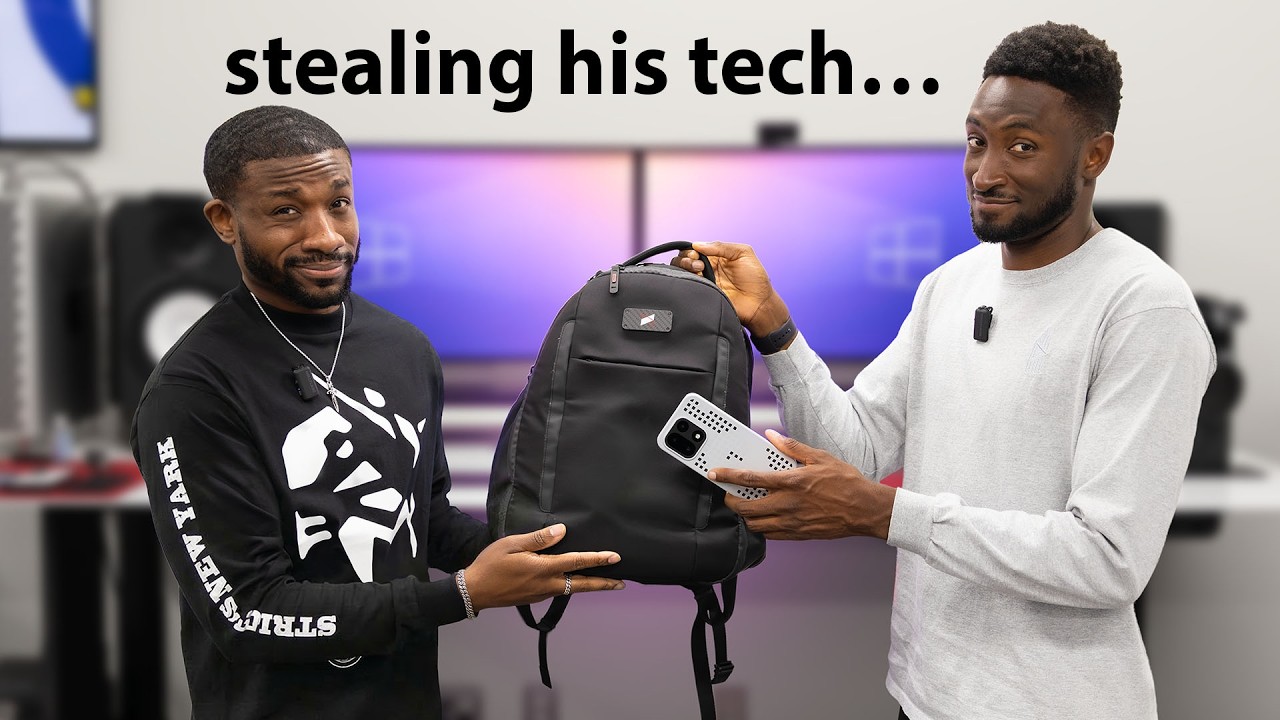
Testing Every Item in MKBHD’s Actual EDC.

Video Overview Thanks to UrAvgConsumer for this one — a genuinely fun concept where they borrow every item in MKBHD's real everyday carry kit, live with it for seven full…
BagsTravelVideo
April 11, 2026

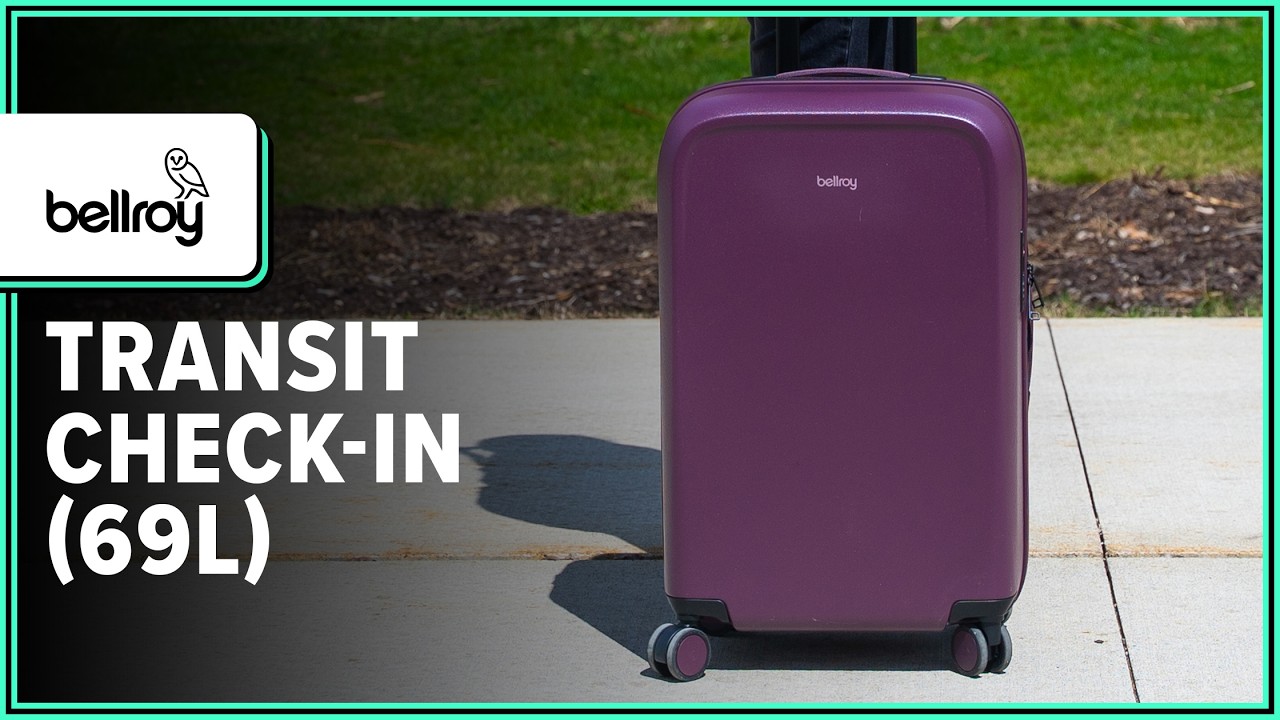
Bellroy Transit Check-In 69L Review – Pack Hacker Quick Look

Bellroy has spent the last decade building a reputation for thoughtful, well-organized carry solutions — and their Transit line takes that philosophy into full travel luggage. In this quick look…
GadgetsTacticalVideo
April 11, 2026

600 Lumens in Your Pocket – Nitecore TINI 3 Flashlight Review

Excessorize Me has a sharp eye for the kind of gear that sounds too good to be true — and the Nitecore TINI 3 is exactly that type of find.…
TechTravelVideo
April 11, 2026

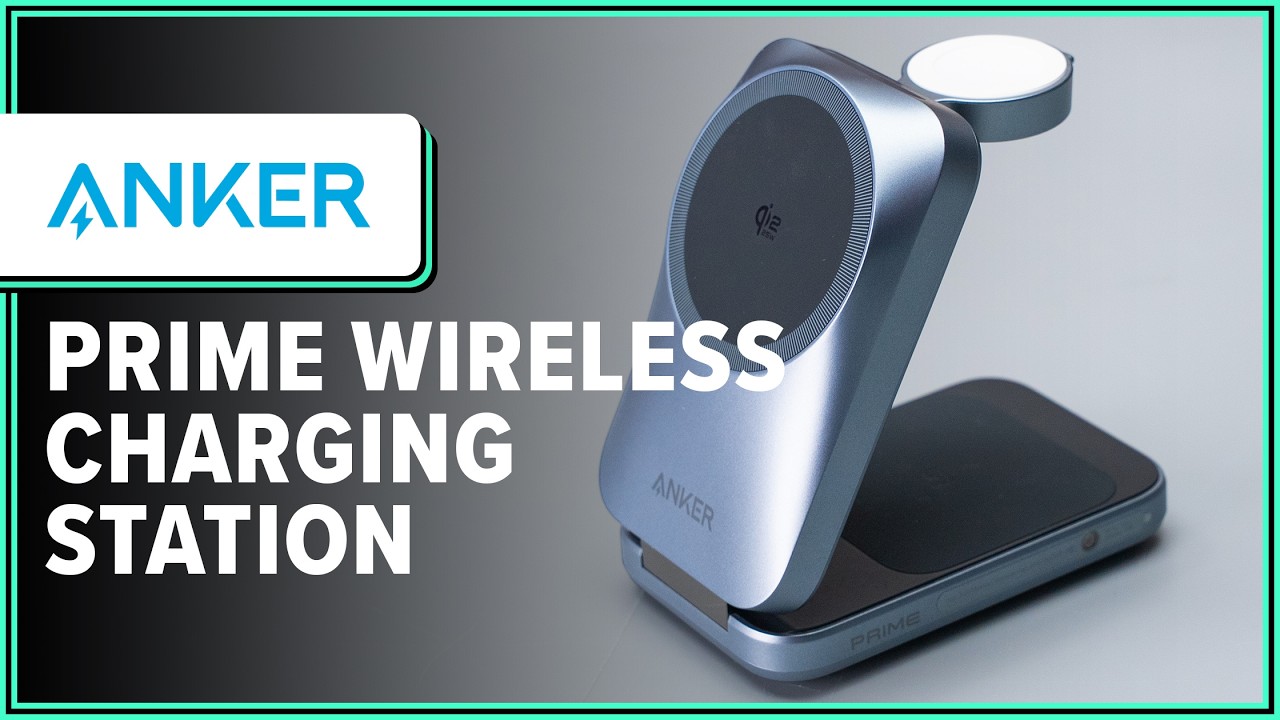
Anker Prime Wireless Charging Station (3-in-1) Review – Pack Hacker

Pack Hacker has built its reputation on rigorous, long-form gear reviews — the kind where they actually live with a product for two weeks before passing judgment. In this review,…
Close Menu

EDC Blog

About EDC Blog

The Castle
Unit 345
2500 Castle Dr
Manhattan, NY