EVERYDAY CARRY BLOG

Pacsafe EXP 28L Anti-Theft Backpack Review (2 Weeks of Use)

By Bags, Travel, Video

Video Overview

Huge thanks to Pack Hacker Reviews for this in-depth look. Pack Hacker is one of the most rigorous travel gear review channels on YouTube — they test products over real durations in real conditions, which is exactly what they did here with the Pacsafe EXP 28L. Two full weeks of use before filming means this isn’t an unboxing reaction: it’s an actual assessment. The Pacsafe EXP 28L is a 28-liter anti-theft travel backpack that’s been in production long enough to have a community of loyal users, and Pack Hacker’s review covers every feature and limitation in structured, chapter-by-chapter detail.

Items and/or Gear Mentioned in the Video

The Pacsafe EXP 28L is the sole focus of this review — a 28-liter travel backpack built around anti-theft construction including slash-resistant panels, lockable zippers, and RFID-blocking pockets. Pack Hacker walks through every compartment and feature in detail, making this one of the most complete assessments of this bag available anywhere.

Editor’s Insight

Anti-theft bags occupy a specific niche in the travel gear world: people who travel to high-pickpocket environments and want structural protection rather than just behavioral awareness. Pacsafe has owned this niche for years, and the EXP 28L is their flagship backpack offering built around that core philosophy.

The anti-theft engineering on the EXP 28L is the most aggressive you’ll find in a carry-on-compatible bag. The outer shell incorporates slash-resistant panels made from a metal mesh layer bonded inside the fabric — this is what separates Pacsafe from bags that simply claim to be “cut-resistant.” The zippers are all lockable, compatible with a small TSA-approved lock or Pacsafe’s own locking system. The shoulder straps include attachment points that can be locked to fixed objects, which is useful in hostels or café situations where you want to step away from your bag briefly without leaving it completely unattended.

Pack Hacker’s review covers the external features thoroughly. The front pocket is generous and well-organized, the side water bottle pockets are accessible on both sides, and the exterior compression straps serve double duty as both a compression mechanism and anchor points. The 28-liter volume is the right size for a travel day bag or a short-haul personal item, though it’s borderline for anything over 2-3 days of carry.

The harness system is where the video gets interesting. Pack Hacker notes that the shoulder straps are comfortable for medium carry loads but start to show limitations when heavily loaded — the foam density and back panel padding are optimized for city day use rather than extended all-day walking with a full pack. If your primary use case is museum days and transit, it performs well. For 8-hour hiking days with a heavy load, you’ll want more structure.

Fit notes are worth paying attention to if you’re on the smaller end of the size spectrum. The back panel length is fixed, so shorter torsos may find the carry ratio isn’t ideal. Pack Hacker addresses this explicitly in their review — worth watching the harness section carefully if this applies to you.

The interior organization is practical without being excessive. The main compartment is a clean clamshell opening that works well for packing cubes, and the secondary compartments cover the needs of most travelers: a quick-access pocket, a document compartment with RFID-blocking fabric, and a hydration-compatible main compartment. Pacsafe doesn’t include a reservoir, but the slot is there if you bring your own.

At its price point, the EXP 28L competes primarily against other anti-theft bags like the Travelon Anti-Theft bag family and Bobby by XD Design. The Pacsafe wins on structural protection but gives up some weight and flexibility. If security is your primary concern, the engineering difference is meaningful. If you’re mostly worried about casual zippered pocket theft rather than coordinated attacks, a lighter bag with a lockable zipper will serve you just as well at lower cost.

Pack Hacker Reviews consistently delivers the kind of structured, timed testing that the travel gear space badly needs. Their commitment to using products before filming is a standard more reviewers should follow. Go subscribe and check their full catalog of travel bag reviews — it’s one of the most complete libraries on YouTube.

Closing Remarks

The Pacsafe EXP 28L is purpose-built for travelers who operate in high-theft environments and want structural protection, not just behavioral awareness. If that’s your use case, it’s one of the best options at this size. What anti-theft measures do you build into your travel carry? Drop a comment below — we’d love to hear how the community handles this. Affiliate links above support the blog at no cost to you.


Very Good Budget Multitool from an Unexpected Place – Klarus MT07 Review

By Gadgets, Tools, Video

Video Overview

Big thanks to Max LVL EDC for this one. If you’re looking for a capable multitool without breaking the bank, Max LVL EDC has become one of the most reliable voices in the space for budget gear that actually performs. In this video, they dive into the Klarus MT07 — a multitool from Klarus, a brand better known for flashlights than hand tools. Spoiler: the MT07 is a genuine surprise, and the video makes a compelling case for why Klarus deserves a second look from the EDC community.

Items and/or Gear Mentioned in the Video

The Klarus MT07 is the clear star of this video — a full-function stainless steel multitool that punches well above its price class. Max LVL EDC also references the Bibury Multitool Pliers as a comparison point for value shoppers. Both tools land in the budget tier, but the MT07 edges ahead on build quality and tool precision.

Editor’s Insight

The budget multitool market is crowded, and most of the noise comes from brands nobody’s heard of selling stainless steel plier tools that feel cheap the moment you unfold them. Klarus is different, and that’s exactly what makes the MT07 interesting.

Klarus built their reputation in the flashlight world — tools like the Mi7 and XT11GT earned them serious credibility with people who care about build quality and engineering precision. That same attention to tolerance and material selection carries over to the MT07. The pliers open and close smoothly, the locking mechanism on the main tools is positive and reliable, and the fit-and-finish is noticeably cleaner than most tools in this price range.

The tool selection on the MT07 covers the bases well: full-size pliers, wire cutters, three screwdriver tips, a wood saw, a file, a bottle opener, and a blade. It’s not trying to be a Leatherman Wave or a Victorinox Spirit — it’s a focused, no-frills loadout that works for the situations most people actually encounter. Tightening a loose screw, opening a bottle, cutting a zip tie: the MT07 handles all of it without issue.

What Max LVL EDC makes clear in the video is that Klarus clearly put real engineering into this rather than just rebranding a generic tool. The pliers have a realistic pivot tolerance, the screwdriver tips actually fit standard hardware, and the blade holds an edge better than you’d expect at this price point. These might sound like low bars, but you’d be surprised how many budget multitools fail basic tests like these.

The MT07 is a solid recommendation for anyone who wants to keep a multitool in a laptop bag, glovebox, or travel kit without spending Leatherman money. It’s also a great starter tool for people new to EDC who want to experiment with carrying a multitool before committing to a premium option.

For the budget-conscious EDC person, Max LVL EDC’s budget multitool master list is worth bookmarking — it covers a wide range of options across different price points and tool counts. One of the most useful resources in the community for this specific category.

The Bibury Multitool Pliers appear as an alternative in this space — marketed toward camping and hiking use cases with a rope cutter and a more aggressive tool layout. It’s a product that won’t feel premium, but the price-to-function ratio is hard to argue with if your use case is specifically outdoor tasks rather than everyday carry.

One thing worth noting: Klarus doesn’t have the multitool track record that Leatherman or Victorinox do, and the MT07 hasn’t been in enough hands long enough to have a long-term durability reputation. It’s a strong first impression, but the five-year verdict is still pending. For a budget purchase, that’s an acceptable risk — especially given the strong engineering pedigree Klarus brings from their flashlight line.

Max LVL EDC continues to be one of the best resources on YouTube for EDC gear in the mid-to-budget range. Subscribe to their channel and check their full catalog — they go deep on tools that most reviewers skip entirely.

Closing Remarks

The Klarus MT07 is a legitimate budget multitool from a brand that knows how to build things properly. If you’ve been looking for a capable everyday tool without spending $80+, this is one of the strongest options at this price point right now. Tell us in the comments — what multitool is in your daily rotation? Affiliate links above help keep this blog running at no extra cost to you.

CARRYX Personal Duffel 27L Review – Pack Hacker (2 Weeks of Use)

By Bags, Travel, Video

Duffel bags occupy a specific space in the travel carry ecosystem — they’re not as organized as a backpack, not as polished as hard-shell luggage, but they offer a combination of flexibility, capacity, and carry options that neither alternative provides. Pack Hacker’s two-week review of the CARRYX Personal Duffel 27L evaluates a newer entrant in this space: a brand positioning themselves in the premium duffel category with a focus on versatility and organization that traditional duffels lack.

Items and/or Gear Mentioned in the Video

The CARRYX Personal Duffel 27L is a flexible duffel designed for travelers who want duffel-style carry in a more organized package. At 27 liters, it sits in personal item territory — large enough for a genuine weekend’s worth of gear, small enough to fit under an airplane seat when needed. CARRYX appears to be addressing the traditional duffel’s main weakness: the lack of structure and organization that makes packing and accessing gear frustrating.

Editor’s Insight

The 27-liter duffel is a versatile capacity for a specific traveler profile: the person who travels light but wants flexibility in how they carry. A duffel at this size works as a gym bag, a weekend bag, a personal item on flights, and a day bag for trips where you’ve checked a larger piece of luggage. That versatility is the duffel’s core value proposition.

CARRYX as a brand name implies carry-focused design thinking — a brand built around the carry experience rather than just the product. Whether this translates to meaningful design innovation or just good marketing copy is what Pack Hacker’s two-week review will establish. The “personal duffel” positioning suggests they’re targeting the airline personal item market specifically, which has very specific dimensional requirements and carry comfort demands.

Traditional duffels fail at organization in a predictable way: one large cavity plus maybe one small exterior pocket. Everything goes in the main cavity, and finding what you’re looking for means digging through the contents. Premium duffels address this with interior organization panels, shoe compartments, quick-access pockets positioned for how you actually use the bag in transit, and structured bases that keep the bag upright when set down.

Pack Hacker’s methodology is particularly valuable for a category like duffels because packability is a key variable. A duffel that doesn’t compress well when empty is a duffel you’ll leave at home on trips where you’re traveling light. The best duffels fold or roll into themselves — their own exterior pocket, typically — making them genuinely packable in a way that rigid luggage isn’t.

At 27 liters, the CARRYX sits in a sweet spot for weekend travelers who are committed to carry-on only travel. It’s at the upper limit of what most airlines accept as a personal item (under-seat), which means you can potentially avoid the overhead bin entirely. For frequent flyers who’ve mastered the art of one-bag carry, a well-organized 27L duffel can replace a rolling carry-on for trips up to four or five days.

The materials and construction quality will determine whether this is a duffel you’re still using in five years or one that needs replacement within two. Pack Hacker pays close attention to zipper quality (YKK is the standard benchmark), hardware durability, and fabric abrasion resistance — all factors that matter significantly for a bag that’s handled roughly in transit.

For EDC enthusiasts who’ve optimized their daily carry but haven’t applied the same thinking to their travel carry, the CARRYX Personal Duffel 27L is worth evaluating. The same principles that make a good EDC bag apply at the travel scale: organized access, durable materials, and a size that matches your actual needs rather than your aspirational packing. Check out Pack Hacker’s full review for the complete performance assessment.

Closing Remarks

CARRYX enters the premium duffel space with a product positioned for organized, flexible travel carry. Pack Hacker’s two-week review will tell you whether they’ve delivered on that promise. If a versatile travel duffel is on your list, this review is worth your time. What’s your go-to travel bag? Share in the comments. Affiliate links above support this blog at no extra cost to you.

I Finally Found the Perfect Backpack – Peak Design Outdoor Backpack 18L

By Bags, Travel, Video

Video Overview

A huge thank you to the team at EXCESSORIZE ME. for putting this one together. This clip comes from their main channel’s deep-dive into the top summer gadgets you didn’t know you needed — and the Peak Design Outdoor Backpack 18L is the standout pick. Peak Design has spent years building a reputation for camera-carry gear that’s equal parts beautiful and bulletproof, but the Outdoor Backpack 18L marks their move into everyday carry territory. This is a bag designed for people who refuse to compromise between trail performance and urban style. In a short clip, they nail exactly what makes this pack worth a second look.

Items and/or Gear Mentioned in the Video

The Peak Design Outdoor Backpack 18L is the featured pack in this clip — a weather-resistant, intelligently organized 18-liter daypack built for hybrid trail-and-city use. Peak Design brings the same precision engineering from their camera bags to this outdoor-oriented carry, and the result is one of the more compelling daypacks at this volume.

Editor’s Insight

Peak Design entered the outdoor daypack market with a clear mission: build something that doesn’t force you to choose between rugged durability and everyday usability. The Outdoor Backpack 18L is the result, and it’s one of the most thoughtfully designed daypacks available at any price point.

The bag is constructed from a custom recycled ripstop nylon that Peak Design developed specifically for this line. It resists abrasion, sheds water, and still manages to feel lighter than you’d expect from a panel with this kind of durability. The 18-liter volume is the sweet spot for a full day out — large enough to carry a rain layer, lunch, and your full EDC kit, compact enough to not feel like you’re hauling luggage through the city.

Organization inside the pack follows the same logic as every Peak Design product: flexible dividers, magnetic closures, and a main compartment that stays genuinely accessible rather than acting like a stuff sack you have to unpack entirely to find anything. The side access zipper — a feature lifted from their camera bags — is one of the most underrated design details on any pack this size. You can reach into the main compartment from the side without setting the bag down, which is the kind of thing that sounds minor until you’ve lived with bags that don’t have it.

The harness system punches above the 18L weight class. Dual-density foam shoulder straps and a lightly padded back panel keep the load comfortable through a full day of movement. It doesn’t have the adjustable torso length you’d find on a true backpacking rig, but for day trips and urban use, the fit is excellent across a wide range of body types.

What makes this particularly interesting in the EDC space is that Peak Design was explicit about wanting it to work both on trail and in the office. The laptop sleeve — fits up to 16″ — and internal organization are laid out for a professional carry, while the external lash points and weatherproofing handle weekend adventures without complaint. Most “hybrid” bags feel like compromises. This one actually manages to serve both contexts without feeling designed by committee.

The colorways are muted and neutral by design. Sage, Black, and Bone are the three options, and all three work in environments where a loud tactical-patterned pack would stand out. This is intentional — Peak Design knows their audience prefers gear that works quietly.

At its price point, this competes with the likes of the Fjällräven Kanken and Cotopaxi Allpa, but the internal organization and material quality push it ahead of both. If you already carry a Peak Design wallet, camera clip, or everyday bag, the Outdoor Backpack 18L fits naturally into that ecosystem.

A huge credit goes to EXCESSORIZE ME. for consistently surfacing gear that blends EDC sensibility with real-world durability. Their summer gadget roundups are required viewing — go subscribe and watch the full video for the rest of their top picks this season.

Closing Remarks

The Peak Design Outdoor Backpack 18L is a rare daypack that handles trail conditions and city carry equally well. If you’ve been searching for a bag that doesn’t require you to own two separate packs, this is the one to look at seriously. Drop a comment below — what’s your daily driver bag? We love seeing what the EDC community is carrying. As always, affiliate links above support the blog at no cost to you.

Aer City Pack Pro 2 20L Review – Pack Hacker (2 Weeks of Use)

By Bags, Travel, Video

Pack Hacker’s full two-week review of the Aer City Pack Pro 2 20L delivers what the quick look (also published this week) couldn’t: extended real-world performance data. Aer is one of the most consistently praised brands in the premium backpack space, and the City Pack Pro 2 represents their current-generation answer to the commuter-travel crossover category. Two weeks of daily use gives Pack Hacker enough context to report on comfort across extended carry sessions, how the organization holds up to a real workflow, and whether the materials live up to their premium positioning.

Items and/or Gear Mentioned in the Video

The Aer City Pack Pro 2 20L is a premium commuter and light travel backpack built around Cordura nylon, YKK zippers, and Aer’s signature organizational philosophy. The 20L capacity sits in the commuter sweet spot — enough for a laptop, cables, a change of clothes, and daily essentials without becoming a burden in crowded environments. The “Pro 2” designation indicates this is a refined second-generation product with improvements over the original City Pack line.

Editor’s Insight

Aer’s City Pack series has been one of the most recommended packs in the one-bag travel community for several years. The original City Pack established Aer’s organizational philosophy and material quality standards. The Pro 2 designation represents evolution rather than revolution — addressing the specific friction points that users identified in the original while maintaining the design language that made the bag successful in the first place.

Twenty liters is a deliberate choice that forces useful discipline. You cannot overpack a 20L bag. The capacity constraint becomes a feature — it encourages you to think carefully about what you actually need versus what you might want to bring. For commuters, this means a cleaner, lighter bag every day. For one-bag travelers, it means everything you bring is intentional.

Aer’s organizational approach centers on dedicated compartments that are sized for specific items. The laptop compartment is suspended (not touching the bottom of the bag — important for drops), sized for 16-inch laptops, and separated from the main compartment to keep the computer accessible without unpacking everything else. The external organization pockets are positioned for quick access to the items you reach for most frequently throughout the day.

The Cordura nylon construction is the right material choice for a daily-use bag. Cordura is inherently resistant to abrasion, water, and UV degradation — it will outlast polyester bags significantly. The weight penalty over lighter materials is real but justified for the durability return. A Cordura bag that’s still in excellent condition after five years of daily use represents better value than a lighter bag that starts showing wear within two years.

Pack Hacker’s two-week review is particularly useful for backpacks because comfort assessments change significantly with extended use. A bag might feel comfortable in a store for fifteen minutes but create shoulder fatigue after a full day of commuting. The harness system — strap width, padding density, sternum strap placement — determines whether the bag is something you wear or something you endure.

At 20L, the Aer City Pack Pro 2 competes directly with the Peak Design Everyday Backpack 20L, the Bellroy Transit Backpack, and similar premium offerings. What Aer has consistently done better than some competitors is create a bag that looks equally appropriate in a startup office and on a weekend trip — the aesthetic doesn’t broadcast “I’m a travel nerd” in professional environments.

For anyone who’s currently using a hiking pack, a cheap laptop bag, or a fashion backpack for their daily commute, the City Pack Pro 2 represents a meaningful upgrade. The investment is real, but so is the quality difference. Pack Hacker’s review gives you the extended use data to make a confident purchase decision. Their full comparison notes will put this pack in context against the alternatives they’ve tested. Worth watching in full on their channel.

Closing Remarks

Aer’s City Pack Pro 2 20L continues the brand’s strong track record in the premium commuter space. Pack Hacker’s two-week review gives you the complete picture — not just first impressions, but extended daily use performance. If a premium commuter pack is on your radar, this review is essential viewing. What’s your current daily carry bag? Let us know below. Affiliate links above support this blog at no extra cost to you.

Anker Nano Charging Station 7-in-1 100W Review: 5 Months of Real Use

By Tech, Travel, Video

Video Overview

Pack Hacker Reviews brings something rare to the charging station space: five months of actual daily use before publishing a verdict. Their evaluation of the Anker Nano Charging Station (7-in-1, 100W) goes well beyond spec comparisons to address the questions that matter after six months in a bag or on a desk — port quality, heat management, cable organization, and whether it earns its place as a permanent carry item. Lauren covers functionality, packability, and a useful direct comparison with Anker’s own 6-in-1 67W model. If you’re still juggling multiple individual chargers at your desk or in your bag, this video makes a compelling case for consolidation. Subscribe to the Pack Hacker Reviews channel for gear coverage across every travel and EDC category.

Items and/or Gear Mentioned in the Video

The 7-in-1 100W is the primary subject at $49.99, positioned as a premium desktop solution for multi-device users who need laptop-class power delivery alongside phone and accessory charging. The 6-in-1 67W earns comparison time at $39.99 — same brand, similar form factor, meaningfully different output. The $10 price delta and corresponding capability gap provide a practical buying decision framework for anyone on the fence between the two.

Editor’s Insight

The charging station category gets less attention in EDC circles than it deserves. Most carry discussions focus on what goes in your pockets or bag, but the station that charges everything overnight is just as critical to a functional daily carry system. A well-organized charging station means every device starts each day at full battery — no hunting for cables, no choosing which device gets the one good outlet, no waking up to a dead laptop because the charge brick fell out of the socket overnight.

The 100W total output from the Anker Nano Charging Station 7-in-1 is the spec that separates it from phone-and-accessories power strips. Charging a MacBook Pro 16″ — which draws up to 96W at peak — to 50% in 33 minutes means this unit functions as a genuine laptop charger, not just a convenience hub. For anyone who has been managing a separate laptop power brick alongside their USB charging setup, eliminating that extra brick is a real reduction in carry complexity.

Seven ports across two form factors — USB-C and USB-A at the front, three AC outlets at the back — covers essentially any realistic home or travel charging scenario. The front-facing USB arrangement is a practical UX decision that sounds minor but matters in daily use: you’re not reaching behind a unit to plug in devices you’re actively using at a desk. The AC outlets at the back handle less-frequently accessed items: travel adapters, camera battery chargers, and devices that still require dedicated wall bricks.

Five months of testing is where this review becomes genuinely valuable. Consumer electronics often reveal their weaknesses in the 60–120 day window: heat management problems surface as component tolerances tighten, plastic housing develops microcracks near stress points from repeated thermal cycling, and USB ports start feeling loose from daily insertion and removal. Pack Hacker’s unit held up through five months of regular use, which is the data point that a first-impressions review can’t provide.

Anker’s ActiveShield safety system monitoring temperature 3,000,000 times daily is part of why Anker products tend to have strong longevity in this category. Thermal management is precisely where cheap charging hardware fails — budget power strips overheat, derate output, and occasionally fail in ways that damage connected devices. Paying for Anker’s engineering here is paying for that safety margin. For a device that’s plugged in continuously and has expensive electronics connected to it, that’s not a premium to begrudge.

The comparison between the 7-in-1 100W and the 6-in-1 67W illustrates a clean decision tree for buyers. The 67W model handles a MacBook Pro 13″ adequately (1 hour 54 minutes to full) and covers most smaller laptop and tablet use cases at a lower price point. The 100W model is the choice when your primary portable device draws more power — larger laptops, high-performance ultrabooks running demanding workloads, or when you want zero throttling on USB-C fast charging across multiple ports simultaneously.

The “Nano” branding signals the flat plug and slim form factor design. This matters for travel: traditional power strips with thick plugs frequently block adjacent outlets in hotel rooms, co-working spaces, and shared office environments. A flat plug sits flush against the wall and preserves the neighboring outlet for someone else — or for your own backup use. The slim cord design on the 6-in-1 follows the same philosophy: enough reach without creating a cable management problem.

The 75% post-consumer recycled plastics in the 6-in-1 model is a detail that increasingly factors into purchase decisions for environmentally conscious buyers. It doesn’t affect performance, but it represents a brand-level commitment to sustainable manufacturing that some buyers weight meaningfully. Anker has been consistent in applying these material standards across product lines, which suggests this isn’t a marketing one-off but an ongoing design priority. Big thanks to Pack Hacker Reviews for the patient long-form testing that makes this kind of recommendation credible — five months of daily use beats five days of spec sheet reading every time.

Closing Remarks

The Anker Nano Charging Station 7-in-1 100W justifies its price with seven ports, laptop-class 100W output, five months of proven reliability, and a flat-plug design that plays nicely in shared spaces. If your current desk or travel charging setup still involves multiple individual bricks and cable hunting every morning, this is the consolidation that simplifies your routine. What does your charging setup look like right now? Drop a comment below. Affiliate links support the blog at no extra cost to you.

Aer City Pack Pro 2: 20L vs 24L Comparison – Which One to Choose?

By Bags, Travel, Video

Few purchase decisions in the bag world are more agonizing than the size question: do you go smaller and force discipline on yourself, or do you go bigger and have room to breathe? Pack Hacker addresses this directly with a dedicated comparison video between the Aer City Pack Pro 2 in 20L and 24L configurations. This is exactly the kind of content that saves buyers from the second-guessing that typically follows a bag purchase — Pack Hacker has lived with both versions and can tell you which one actually works better for which use case.

Items and/or Gear Mentioned in the Video

Both the 20L and 24L versions of the Aer City Pack Pro 2 are featured here — the same bag design in two distinct sizes. Understanding the difference between them requires more than just looking at the liter count. The organization, access points, and carry experience may differ subtly between sizes, and Pack Hacker’s side-by-side comparison is designed to surface those differences for buyers who are genuinely torn.

Editor’s Insight

Aer has become one of the most respected names in the premium commuter and travel backpack category. Their City Pack line has iterated to the Pro 2 designation — meaning they’ve refined the original City Pack concept based on user feedback and competitive pressure. The Pro 2’s improvements likely center on organization refinements, material upgrades, or strap system improvements that the original version left room for.

The 20L vs 24L decision is ultimately about use case specificity. A 20L pack forces you to pack light — it’s the right choice if you’re committed to one-bag travel with strict packing discipline, or if you primarily use the pack for commuting and want it to stay manageable in crowded spaces. A 24L pack gives you meaningful flex room — a layer of clothing, a gym kit, or a larger tech pouch without sacrificing the organized structure the City Pack Pro 2 is built around.

Pack Hacker’s comparison format excels at the nuanced differences that size comparisons typically gloss over. It’s not just “the 24L is bigger” — it’s whether the added volume is useful volume (well-organized expansion) or dead volume (awkward empty space that makes the bag flop around when partially loaded). These distinctions only emerge through actual use, which is where their two-week testing protocol pays off.

Aer’s design philosophy centers on clean aesthetics with premium organization. Their bags consistently receive praise for their laptop compartments, external organization pockets, and the way the bag presents — it looks like a tech bag rather than a hiking bag, which matters enormously for professional environments. The City Pack Pro 2 in both sizes presumably maintains this aesthetic while offering the organizational depth Aer is known for.

The materials question is worth addressing for both sizes. Aer typically uses Cordura nylon and quality YKK zippers — materials that hold up over years of daily use rather than months. The investment in a bag at this price point is partly a bet that the bag will still be in excellent condition five years from now. The material quality determines whether that bet pays off.

From a practical standpoint: if you primarily commute and don’t travel regularly, the 20L is likely the right choice. It’s easier to carry through crowded transit, less likely to be gate-checked on a flight, and forces the kind of packing discipline that makes you more efficient over time. If you travel multiple times per month or regularly carry more than laptop plus basics, the 24L earns its extra volume.

Pack Hacker’s comparison methodology typically includes dimensional comparisons, weight comparisons, and a direct side-by-side of how specific real-world loads fit in each size. This is genuinely useful information that you can’t get from spec sheets alone. Check out the full video on their channel to see how the two sizes compare in practice.

Closing Remarks

Aer’s City Pack Pro 2 is available in two sizes, and Pack Hacker’s comparison video helps you make the call without buyer’s remorse. If you’re evaluating this pack, this comparison is required viewing before you order. Which size are you leaning toward? Let us know in the comments. Affiliate links above support this blog at no extra cost to you.

Peak Design Everyday Slim Wallet Review: Minimalist Carry Done Right

By Fashion, Travel, Video

Video Overview

Pack Hacker Reviews is one of the most thorough gear review channels in the travel and EDC space, and their two-week evaluation of the Peak Design Everyday Slim Wallet delivers exactly the kind of real-use analysis that product pages never provide. Lauren walks through everything that matters: how the card mechanism loads and releases, the practical limits of the bill pocket, packability across different pockets, and a head-to-head comparison against the Nomadic wallet — a long-time Pack Hacker favorite. If you’re considering moving to a slimmer carry, this video covers the quirks you’d otherwise only discover after purchase. Check out the Pack Hacker Reviews channel for the full breakdown and their extensive travel gear library.

Items and/or Gear Mentioned in the Video

The Peak Design Everyday Slim Wallet is the clear standout — its Terara Shell construction and machined aluminum touchpoint set it apart from fabric-only competitors at the same price. The Peak Design Billfold Wallet earns a supporting mention as a recently reviewed companion product that shares the same durable inner material. The Nomadic wallet provides an illuminating comparison: it’s spent years on Pack Hacker’s digital nomad packing list, but its all-elastic design has a vulnerability at low card counts that the Everyday Slim avoids.

Editor’s Insight

Peak Design has always been a brand that brings industrial design sensibility to everyday carry. Their camera straps and bag systems built a following on the strength of thoughtful mechanical solutions, and the Everyday Slim Wallet carries that same DNA into a minimalist card carrier. The machined aluminum touchpoint — the logo plate on the exterior — is a small but meaningful signal: it’s the kind of material decision a brand makes when they’re designing for people who will handle the object daily and care about how it ages.

The card loading mechanism is the heart of this wallet, and it’s worth understanding before purchase. This isn’t a side-loading sleeve or a simple stretch pocket. Peak Design uses a tab system: cards stack on one side against a mechanical pull-up tab, and pulling the tab lifts the cards for selection. Lauren’s observation that you’ll often end up pulling out the full stack to find a specific card is honest and instructive — this is fundamentally a “grab the whole stack” wallet rather than a “fan out one card” wallet. Whether that’s a dealbreaker depends entirely on your carry habits and which cards you reach for through the day.

The Terara Shell Ultra 210D outer material is the real performance story. It’s the same family of fabrics that Peak Design uses across their bag lineup — weatherproof, abrasion-resistant, and dimensionally stable after extended use. The 70D Terra Shell stretch inner material is what gives the wallet its compliance without turning into a loose elastic sack over time. That stretch-without-sag property is the critical differentiator from all-elastic wallet designs, which tend to loosen as the elastic fatigues and eventually let cards fall out at low capacity.

Seven cards is the designed sweet spot, and Pack Hacker’s two-week test validates that spec. The interesting nuance is the back “stash pocket” — when it’s empty, you can push total card capacity slightly higher, but the wallet is clearly engineered for the seven-card configuration. If you’re planning a hard-cap seven-card carry, you’ll likely be satisfied. If you’re trying to squeeze in ten cards and a stack of bills, this wallet will be a frustrating experience.

The bill compartment deserves a dedicated discussion because it has real limitations. Technically, the wallet holds cash — but Lauren’s honest take is that one or two folded bills is the practical maximum before they start crumpling down and interfering with card retrieval. For digital-first carries in cashless cities, this isn’t a problem. For travel to markets or destinations where cash is essential, you’ll either need to supplement with a money clip or accept that this wallet lives and dies by cards.

The Nomadic wallet comparison is one of the most useful parts of the video because it illustrates the core engineering tension in minimalist wallet design: elastic compliance versus structural stability. The Nomadic’s all-elastic build is generous at full capacity but becomes unreliable when card count drops — the elastic has nothing to hold against, and cards start falling out. Peak Design’s tab mechanism maintains positive grip on cards regardless of how many are present. Three cards or seven, the retention mechanism works the same way.

RFID protection is built in, which has become a baseline expectation for carry wallets. The POS-free coated fabric is a thoughtful detail — it prevents the wallet from snagging inside a pocket or sticking to other gear items. The UHM WP ripstop thread for durability is the kind of spec you won’t think about for the first two years, and then quietly appreciate when the wallet looks good in year four or five.

At $39.95, the Peak Design Everyday Slim Wallet sits at the premium end of the minimalist card carrier market without crossing into the territory of exotic materials and boutique pricing. If you’re already in the Peak Design ecosystem and value material consistency, it’s a natural addition. If this is your first dedicated slim carry, it’s a well-made starting point that won’t require replacement. Major thanks to Lauren and Pack Hacker Reviews for a genuinely useful two-week evaluation that goes deeper than spec comparisons.

Closing Remarks

The Peak Design Everyday Slim Wallet delivers on its core promise: ultra-minimal carry with durable materials and a reliable card retention mechanism. The bill pocket has honest limits and the card access requires a deliberate motion rather than a quick fan — but for a dedicated 5–7 card carry, it’s one of the best-built options at the price. What does your current wallet carry look like? Leave a comment and let us know. Affiliate links support the blog at no additional cost to you.

Rolex Just Dropped 2026 Models… Here They Are | Hodinkee

By Fashion, Video

Rolex has officially unveiled its 2026 watch collection, and Hodinkee is on the ground at Watches & Wonders Geneva to break it all down. This video walks through the full lineup — from the highly anticipated revival of the Milgauss to fresh dial options on the Submariner, new Land-Dweller colorways, and a special Day-Date commemorating 70 years of the iconic model. Whether you’re a lifelong collector or just watch-curious, this is the definitive first look at what Rolex has in store for 2026.

Models Featured in the Video

Note: Rolex watches are not sold directly on Amazon. The links above search Amazon for pre-owned, vintage, or watch accessory listings related to each model. For new Rolex timepieces, visit an authorized dealer.

Editor’s Insight

Every spring, the watch industry holds its collective breath for Watches & Wonders Geneva — and Rolex rarely disappoints. The 2026 collection is no exception. This year, the Crown has gone deep on heritage while simultaneously modernizing some of its most beloved references, resulting in a lineup that feels both nostalgic and forward-looking at the same time.

Let’s start with the headline: the Milgauss is back. Originally launched in 1956 for scientists at CERN who needed serious antimagnetic protection, the Milgauss was quietly discontinued in 2023. Its revival in 2026 — on the 70th anniversary of its original debut — is one of the most exciting comebacks in recent horological memory. The Milgauss was always something of an outlier in the Rolex catalog: a bit offbeat, a bit scientific, and beloved for exactly that reason. Its return signals that Rolex is paying attention to collector sentiment, and that’s a very good thing.

The GMT-Master II “Coke” update is another major talking point. The red-and-black two-tone bezel combination is one of the most iconic in watchmaking history, and the fact that it returns with updated specs and modern finishing should send secondary-market prices for earlier references into a frenzy almost immediately. The “Coke” colorway has a storied history going back to the reference 16710 era, beloved by travelers, pilots, and collectors who appreciate a bezel that doesn’t look like it belongs on a diving watch.

The Day-Date 40 70th Anniversary reference is a masterclass in celebration. Yellow gold, President bracelet, and a malachite dial — Rolex is leaning into the opulence that made the Day-Date the “President’s Watch” in the first place. The malachite stone dial is particularly stunning; no two are alike due to the natural variation in the stone, which makes every anniversary piece genuinely unique. It’s the kind of watch that justifies the term “heirloom.”

On the sportier end, the all-blue Submariner Date in steel is a subtle but significant update. The Submariner is the world’s most recognizable dive watch — possibly the world’s most recognizable watch, full stop — and a monochromatic blue treatment gives it a fresh visual identity without abandoning the classic silhouette. Purists may debate whether it’s necessary, but it’s hard to look at it and not feel at least a little excited.

The 1908 “Padellone” with triple calendar complications continues Rolex’s quiet push into the dress watch segment. The 1908 line represents some of Rolex’s most refined watchmaking — slim cases, dressy proportions, and complications that serve functional purposes rather than existing purely for technical bravado. A triple calendar on a dress watch is exactly the kind of understated complication that appeals to the discerning wearer who wants depth without ostentation.

The Yacht-Master titanium variants round out the collection with a material choice that’s increasingly popular across the industry. Titanium is lighter, stronger, and more corrosion-resistant than steel, with a distinctive darker matte finish that looks purposeful and modern. For a watch that lives at the intersection of sailing culture and luxury lifestyle, titanium is a natural fit.

What’s striking about the 2026 Rolex collection as a whole is its intentionality. Nothing feels like a cash-grab or a lazy update. Each reference has a story — an anniversary, a material upgrade, a colorway with historical meaning. That’s the mark of a brand operating with total confidence in its own identity. Rolex doesn’t need to chase trends; it sets them, and then watches the rest of the industry follow for the next decade.

For watch enthusiasts tracking secondary market values, the 2026 collection is going to make for a very interesting year. The Milgauss revival in particular should create ripple effects in pre-owned pricing. And the “Coke” GMT-Master II? That one’s going to be nearly impossible to find at retail for at least the first eighteen months. Plan accordingly.

Closing Remarks

Hodinkee’s on-the-ground coverage of Watches & Wonders is essential viewing for anyone serious about watches. The 2026 Rolex lineup rewards patience and a discerning eye — whether you’re drawn to the nostalgia of the revived Milgauss, the heritage of the “Coke” GMT, or the understated luxury of the 70th Anniversary Day-Date, there’s something here for every collector. Subscribe to Hodinkee on YouTube for the full deep-dives and hands-on reviews as they continue to roll out from Geneva.

Rework Gear Toshi Sling V2 (2.5L) Review – Pack Hacker

By Bags, Travel, Video

Sling bags are one of the most personal categories in EDC carry — what works for one person’s body type, carry style, and daily routine can be completely wrong for another. Pack Hacker’s two-week review of the Rework Gear Toshi Sling V2 is valuable because their methodology goes beyond first impressions to document how the bag actually performs across different carry contexts. At 2.5 liters, this is a compact sling designed for minimal daily carry — keys, wallet, phone, maybe a small notebook and snacks.

Items and/or Gear Mentioned in the Video

The Rework Gear Toshi Sling V2 is a 2.5-liter compact sling designed for minimal carry enthusiasts who want quick access to daily essentials without the bulk of a larger bag. Rework Gear has positioned this as a refined iteration of their Toshi line, with improvements to the hardware, strap system, or organization based on feedback from the original version. The V2 designation suggests a brand that’s listening to its users.

Editor’s Insight

The 2.5-liter sling occupies a specific niche: it’s too small to replace a daypack, but it’s perfect for situations where you want hands-free carry of your essentials without the commitment of a full bag. Think: a walk to the coffee shop, a day at an outdoor market, a quick errand run that still needs space for a wallet, phone, keys, earbuds, and a water bottle or snack.

Rework Gear is a brand that has earned attention in the small-batch EDC community for producing thoughtfully designed gear with premium materials. The Toshi Sling specifically has attracted attention for its clean aesthetic and practical organization — two things that are harder to achieve simultaneously than they sound. Many well-organized slings look like tactical gear; many clean-looking slings lack practical pockets. Finding both in one design is genuinely difficult.

At 2.5 liters, the capacity math matters. The main compartment needs to be shaped efficiently to hold a water bottle or larger item if needed, while front or secondary pockets handle quick-access essentials. The strap system determines comfort across different body types and carry orientations (front or back). Pack Hacker’s two-week test across daily use situations will reveal whether the Toshi V2 balances these factors well.

The V2 designation is meaningful in this context. Original Toshi Sling users reported specific friction points — perhaps the strap buckle wasn’t smooth enough, or a pocket placement created accessibility issues. The V2 addresses these based on real-world feedback. This iterative approach to product development is a positive signal about Rework Gear’s product philosophy.

Sling bags face a specific challenge that backpacks don’t: they’re inherently asymmetric. Carrying weight on one shoulder for extended periods can become uncomfortable, and the strap width and padding directly affect how long you can wear the bag before wanting to take it off. A 2.5L sling typically doesn’t carry enough weight to cause real discomfort, but the strap design still matters for how the bag sits and moves during wear.

For EDC minimalists, a 2.5L sling is often the sweet spot between pocketless carry and a full daypack. If you can organize your essentials into 2.5 liters, you have a genuinely hands-free carry solution that doesn’t require thinking about whether to bring a bag. The right sling becomes a default daily carry item — always grabbed, always useful, never in the way.

Pack Hacker’s review methodology includes a packability assessment — how does the bag itself pack when you’re traveling and need to fit it into a larger bag? For a sling this size, the answer should be “easily” — but construction choices can affect whether the bag stays flat or has to be folded awkwardly. Their two-week testing will have covered this dimension as well. Check out their channel for the complete breakdown.

Closing Remarks

The Rework Gear Toshi Sling V2 sounds like a refined take on compact carry — and Pack Hacker’s two-week review gives you the real-world performance data to evaluate it. For minimal carry advocates, a 2.5L sling done right is one of the most useful things you can carry. What sling are you using? Tell us in the comments. Affiliate links above support this blog at no extra cost to you.

BagsTravelVideo
June 1, 2026

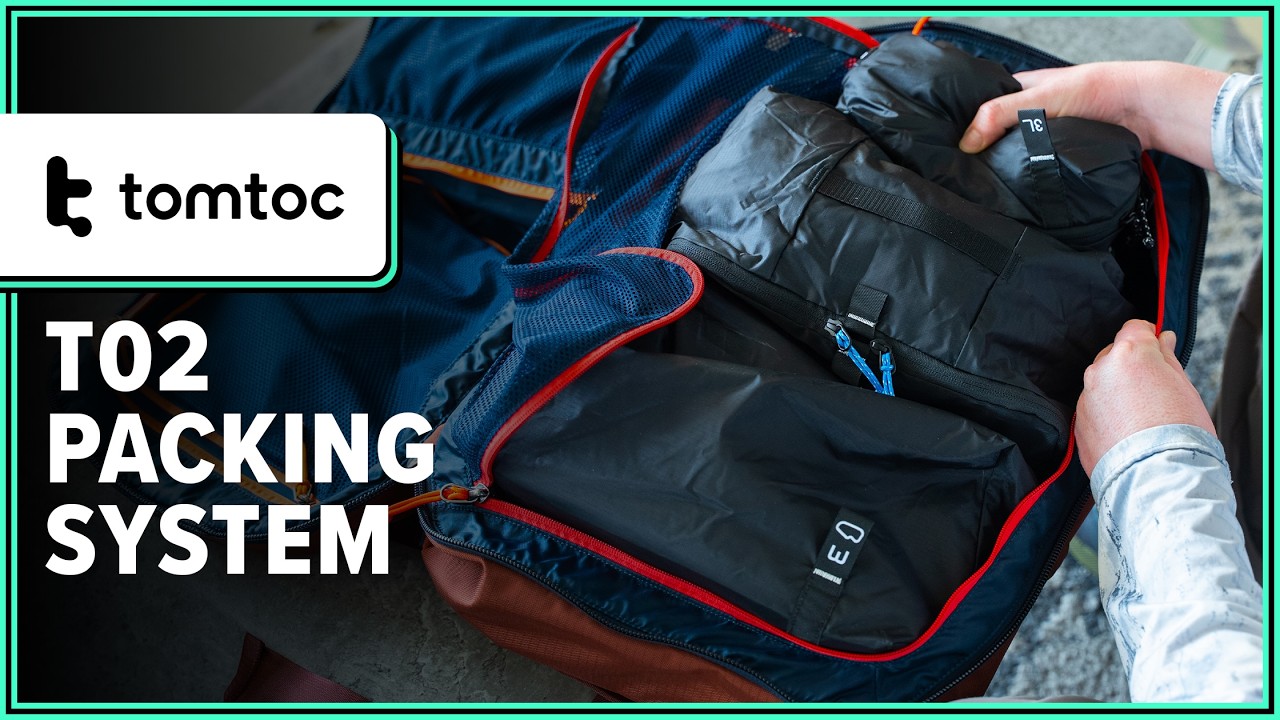
tomtoc T02 Packing System Review — Pack Hacker’s 2-Week Verdict (7.0/10)

Video Overview Pack Hacker spent two weeks with the tomtoc Light-T02 Packing System — a complete multi-cube packing solution that includes a compression cube, a clean/dirty cube, a small accessory…
BagsTravelVideo
June 1, 2026

Jakarta’s Hidden EDC Gear Scene — MauriceMoves’ 48-Hour City Challenge

Video Overview MauriceMoves — one of the most engaging travel and EDC channels on YouTube — took on a 48-hour challenge in Jakarta, Indonesia, and discovered what might be the…
BagsTravelVideo
May 30, 2026

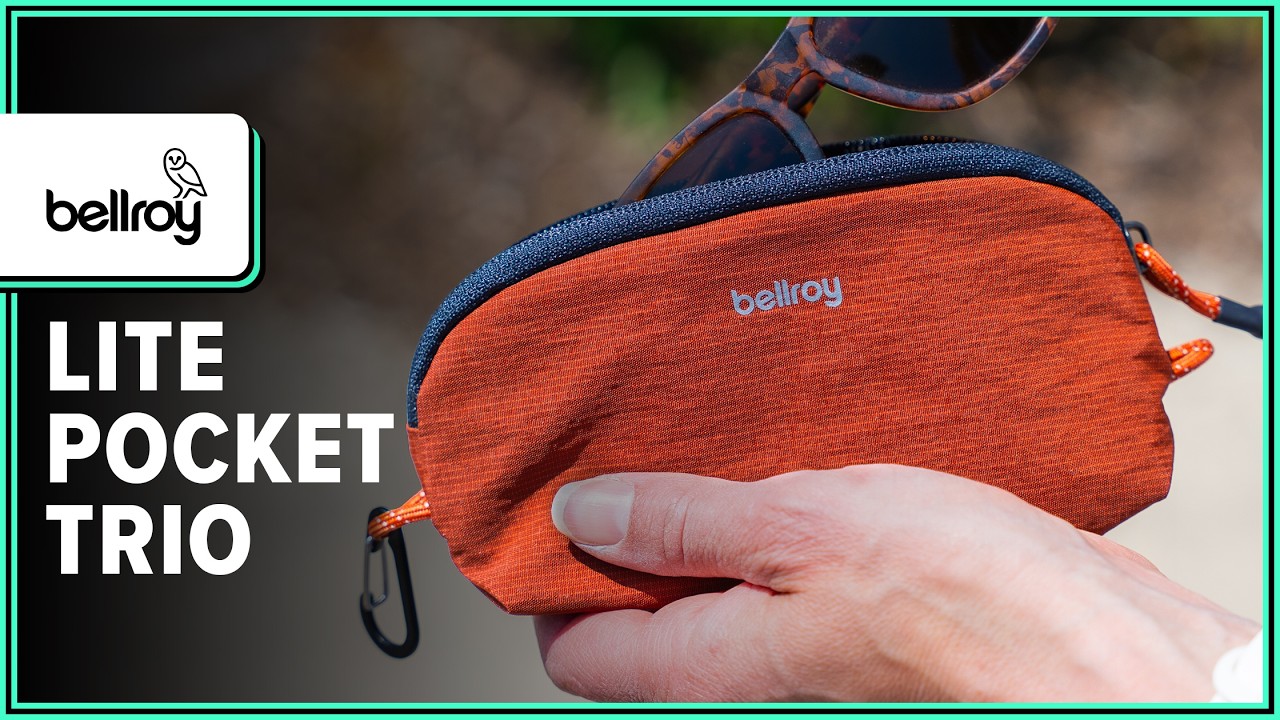
Bellroy Lite Pocket Trio Review — Pack Hacker’s 2-Week Verdict (8.0/10)

Video Overview Pack Hacker spent two weeks with the Bellroy Lite Pocket Trio — a set of three lightweight fabric pouches designed to bring organization inside larger bags. Bellroy is…
BagsTravelVideo
May 29, 2026

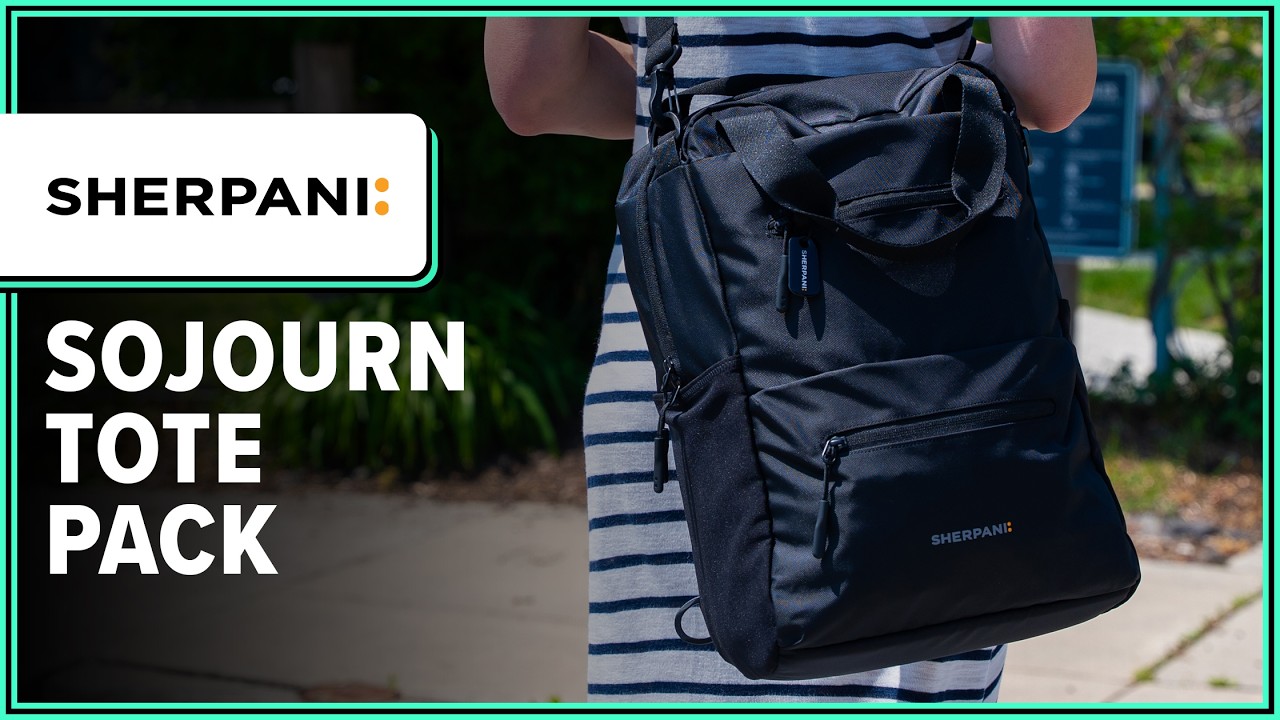
Sherpani Sojourn Tote Pack Review — Pack Hacker’s 2-Week Verdict (7.3/10)

Video Overview Pack Hacker spent two weeks carrying the Sherpani Sojourn Tote Pack to deliver a fully real-world verdict on one of the more unusual bags in their review catalog.…
Close Menu

EDC Blog

About EDC Blog

The Castle
Unit 345
2500 Castle Dr
Manhattan, NY