
EVERYDAY CARRY BLOG

This Dock Fixes Your Switch 2 Setup — SUPCASE Charging & Storage Base Review

By Gaming, Tech, Video

Video Overview

Excessorize Me reviews the SUPCASE Charging & Storage Base for the Nintendo Switch 2 — a dock that goes beyond simple charging by adding organized game cartridge storage to the mix. If your Switch 2 setup currently involves loose cables and cartridges scattered across a surface, this accessory is designed to consolidate all of that into one clean, purpose-built station.

Items and/or Gear Mentioned in the Video

The SUPCASE Charging & Storage Base is the single focus here — a dock that charges your Switch 2 while keeping game cartridges organized and accessible in the same footprint. For anyone who plays physical games and has dealt with the frustration of hunting for cartridges mid-session, the integrated storage is the feature that justifies the upgrade from a basic charging stand.

Editor’s Insight

The Nintendo Switch 2 charging dock category is more crowded than it’s ever been, but most products in it do exactly one thing: prop the console at an angle while it charges. SUPCASE has identified a real gap in that market — the absence of physical game storage in the dock footprint — and built their solution around it. For players with physical game libraries, that’s a meaningful differentiator.

Physical game cartridges are the forgotten organizational problem of modern gaming. They’re small enough to lose easily, numerous enough to create real clutter, and important enough that losing one is genuinely frustrating. Most Switch owners end up with a dedicated cartridge case or case insert — a secondary item that solves the storage problem but adds another thing to manage. The SUPCASE dock consolidates the charging station and the cartridge organizer into a single desk object.

SUPCASE’s brand reputation is built primarily in the rugged case space, where their Unicorn Beetle line has become a recognized option for drop protection across phone and tablet categories. Bringing that same product sensibility to a charging dock means the build quality expectations are reasonable — this isn’t a generic AliExpress dock rebadged with a known name, it’s a designed product from a company with an established manufacturing track record.

The compact design claim is worth scrutinizing. Charging docks that also hold cartridges risk becoming bulky accessories that take up more desk space than the problem they solve. The SUPCASE’s execution on balancing storage capacity with physical footprint is what determines whether this is a net desk-space improvement or a lateral move. Excessorize Me’s hands-on coverage addresses this directly.

For the EDC-minded gamer, desk organization is an extension of the same philosophy that drives everyday carry curation. A cluttered charging setup with cables going in multiple directions and games spread across a surface is the desk equivalent of an overstuffed pocket. Consolidating those elements into a single, purpose-built station applies EDC principles to a stationary context — everything has a place, and the setup works more smoothly as a result.

The Switch 2 accessory ecosystem is still maturing, and products like the SUPCASE dock are among the first wave of thoughtfully designed third-party accessories that treat the console’s real-world use patterns seriously. Early adopters who build their setups around quality accessories now will have less to change as the ecosystem develops further.

No more lost cartridges, no more cable hunting at the end of a session — the value proposition is simple and the execution, based on Excessorize Me’s coverage, appears to deliver on it. The full review video is linked in the description for the complete hands-on walkthrough.

Thanks to Excessorize Me for the focused breakdown. Their Switch 2 accessory coverage has been consistently useful for anyone building out their setup. Subscribe for ongoing coverage as more quality accessories hit the market.

Closing Remarks

The SUPCASE Charging & Storage Base solves two problems at once — keeping your Switch 2 charged and your cartridges organized — without requiring two separate accessories to do it. If you play physical games and your current setup is less than tidy, this dock is worth a serious look. What does your Switch 2 charging setup look like? Share it in the comments.

Affiliate disclosure: Links in this post may earn a small commission at no extra cost to you.

Sympl Phone Sling 1.5L Review — Minimal Carry Done Right

By Bags, Tech, Travel, Video

Video Overview

Pack Hacker puts the Sympl Phone Sling 1.5L through a two-week real-use evaluation. Sympl is a brand focused on minimal, purpose-built carry accessories, and the Phone Sling is exactly what it sounds like: a 1.5-liter sling designed around phone-first carry for situations where a full bag is overkill. If you’ve ever left the house with just your phone and found your pockets inadequate, this is the category that solves it.

Items and/or Gear Mentioned in the Video

The Sympl Phone Sling 1.5L is a focused product with a specific use case — and Pack Hacker’s two-week evaluation covers whether it delivers on that use case across different daily scenarios. At 1.5 liters, it’s genuinely compact: enough for a phone, a wallet, keys, earbuds, and a few small items, nothing more. That constraint is the point.

Editor’s Insight

The phone sling is an underappreciated carry category. Most sling bags start at 3-4 liters and scale up from there — they’re designed around carrying a meaningful amount of gear. The sub-2-liter phone sling occupies a different niche entirely: it’s for the person who wants their hands free and their essentials secure without committing to an actual bag. It’s the carry solution for coffee runs, city walks, short errands, and social events where a full sling would feel overdressed.

Sympl has positioned themselves in the minimalist carry space with products that have clear use cases rather than trying to cover everything. The Phone Sling 1.5L doesn’t pretend to be a daypack or a travel bag — it’s built for the scenario where your phone is the most important thing you’re carrying and everything else is secondary. That focus produces a better product for that specific use case than a larger bag trying to scale down.

The external features on a bag this small are necessarily constrained, but the design choices matter more precisely because there’s so little room for extras. How the main compartment opens, where the phone pocket sits, and how the harness distributes the (minimal) weight determine whether the bag actually works in daily use. Pack Hacker’s evaluation framework covers all of these specifics.

The harness system on a tiny sling is often the most neglected aspect of the design. At 1.5 liters and minimal weight, there’s a temptation to skimp on strap construction. But a sling worn cross-body every day needs a strap that doesn’t dig in, doesn’t slip, and sits correctly at the right angle. The difference between a comfortable sling and an annoying one often comes down entirely to the strap hardware and material choices.

Fit notes from Pack Hacker’s format are particularly useful for a sling this small because the worn footprint matters. A bag that’s too wide sits awkwardly at your hip; too narrow and it doesn’t balance properly. The 1.5L form factor requires precision in proportion that larger bags can be more forgiving about.

The secondary compartments section is where phone slings usually disappoint. The main compartment handles the phone; everything else competes for whatever space remains. Pack Hacker’s walkthrough of what actually fits — and what doesn’t — is the practical information that determines whether this bag works for your specific carry needs.

For one-bag travel or minimalist EDC, a phone sling at this scale has a specific role: it’s the bag you grab when you arrive somewhere and want to leave the main pack at the hotel or Airbnb. Lightweight, secure, hands-free carry for exploring a city or running a few local errands without hauling your full setup. The Sympl’s 1.5L capacity is well-calibrated for exactly that scenario.

Pack Hacker’s two-week evaluation is one of the most reliable review formats in the bag space because it forces real-world conditions rather than first-impression takes. Check their full written review at packhacker.com for measurements, materials breakdown, and comparative context. Subscribe to their channel for consistent coverage of carry gear across every size and use case.

Closing Remarks

The Sympl Phone Sling 1.5L fills a specific gap in the carry market — minimal, hands-free, secure, designed for the times when pockets aren’t enough but a full bag is too much. If that scenario comes up regularly in your routine, this one is worth a close look. What do you carry when you’re traveling light? Leave your setup in the comments.

Affiliate disclosure: Links in this post may earn a small commission at no extra cost to you.

Travel Is Brutal if You Sweat — Maurice Moves’ Complete Hygiene Routine

By Fashion, Tech, Travel, Video

Video Overview

Maurice Moves gets unusually candid in this one — covering the full daily routine he uses to stay clean, dry, and presentable while traveling for work. If you sweat more than average and travel regularly, the tips and tools here are genuinely practical. This isn’t a product dump; it’s a morning-to-night system with specific product recommendations at each step.

Items and/or Gear Mentioned in the Video

Several standouts from this list: the Aer Travel Kit 2 is one of the most respected toiletry organizers in the one-bag travel community — well-designed, TSA-friendly, and genuinely useful. The Unbound Merino clothing line is the go-to recommendation for sweat-prone travelers because merino wool naturally resists odor even after multiple days of wear. And the La Roche-Posay SPF 50+ sunscreen gets called out specifically for not leaving a white cast — a real differentiator for darker skin tones.

Editor’s Insight

Maurice Moves has built a following by being honest about the realities of travel that most gear content glosses over. This video is a prime example — talking about sweating as a real, embarrassing travel challenge rather than the sanitized version of “staying fresh” that dominates lifestyle content. That honesty makes the recommendations more credible, because you know they’ve been tested under genuinely demanding conditions.

The morning routine structure is smart editorial framing. Rather than listing products alphabetically or by price, organizing by time-of-day maps the gear to specific problems at specific moments. CeraVe Foaming Cleanser starts the face clean and free of overnight oil buildup — an important reset before sunscreen and any other products. The order matters, and the video respects that.

The foot hygiene section is where the video gets unusually specific. Dr. Scholl’s OdorX spray powder plus the small container decant plus the mini funnel is a system — not just a product recommendation. That level of detail, down to the specific container size and the funnel needed to fill it, is what separates useful travel content from generic “pack this” advice. The Fruit of the Loom Dual Defense socks add another layer to the same problem, addressing it from the fabric side rather than the topical side.

The Unbound Merino section deserves attention. Merino wool’s natural odor resistance is the key feature for heavy sweaters — the fiber’s structure wicks moisture and inhibits the bacterial growth that causes smell. Unbound specifically optimizes for travel: their pieces look like normal clothing rather than performance wear, which matters for work travel where you need to look professional. One polo worn multiple days in a row without odor is a genuine packing advantage that synthetic alternatives can’t match.

The La Roche-Posay sunscreen recommendation is specific for a reason. Most high-SPF sunscreens leave a white cast from zinc oxide and titanium dioxide — a visible problem that’s worse on darker skin tones and under certain lighting conditions. The Anthelios formulation uses encapsulated UV filters that apply more transparently. For daily travel use where you’re applying sunscreen to your face every morning, this matters more than it might seem.

The night routine section closes the loop on the daily system in a way that makes the whole approach feel complete. The USB-C rechargeable toothbrush eliminates one more cable dependency. The tongue scraper addresses morning breath at its source rather than masking it. The 5-Year diary is an interesting non-hygiene inclusion — Maurice is clearly talking about a complete travel wellbeing system, not just product recommendations.

What this video models well is the idea that travel comfort is a system problem, not a product problem. Adding one great product to a weak routine produces marginal improvement. Building an end-to-end routine where each product reinforces the others produces a travel experience that’s measurably better. Maurice has done the iteration work over many trips, and this video shares the output.

For EDC-focused readers, many of these items translate directly into daily carry even when not traveling. The decanted powder container, the compact toiletries kit, the USB-C toothbrush — these are all items that work in a daily gym bag, an office drawer, or a regular commute kit. The travel framing is just context.

Thanks to Maurice Moves for putting together such a practical and candid breakdown. Subscribe for ongoing travel gear, EDC, and lifestyle content that’s grounded in real-world use.

Closing Remarks

If work travel is a regular part of your life and staying clean and dry is a constant battle, Maurice’s system is worth adopting piece by piece. Start with the Unbound Merino clothing and Aer Travel Kit 2 if you’re building from scratch. What’s your most important travel hygiene product? Share it below.

Affiliate disclosure: Links in this post may earn a small commission at no extra cost to you.

The Screen Protector You Can’t Mess Up — dbrand Prism 2.0 Review

By Gaming, Tech, Video

Video Overview

Excessorize Me covers the dbrand Prism 2.0 Screen Protector — their follow-up to the original Prism with improved installation tooling, cleaner alignment, and the same durable tempered glass that dbrand users have come to expect. If installing screen protectors has ever been a source of frustration (bubbles, misalignment, one-shot stress), the Prism 2.0 is designed to take that friction out of the equation entirely.

Items and/or Gear Mentioned in the Video

The dbrand Prism 2.0 is the headline item and the focus of the entire video. For anyone who’s ever ruined a screen protector during installation — or paid someone else to install one just to avoid the experience — the Prism 2.0’s guided installation system is the feature that matters most.

Editor’s Insight

Screen protectors occupy a strange space in the accessory market. They’re among the most purchased phone and device accessories, yet they’re also among the most frequently botched. A misaligned protector with dust bubbles under the glass is worse than no protector at all — it’s a daily visual reminder that the installation went wrong. dbrand’s Prism 2.0 is a direct response to that frustration.

The original Prism established dbrand’s credibility in the tempered glass category. They brought the same precision approach from their skin product line to glass protection — meaning the cutouts, curves, and coverage area are engineered for the specific device rather than cut as a generic rectangle. The 2.0 iteration builds on that with improved installation tooling that makes alignment nearly automatic.

The installation experience is genuinely where the Prism 2.0 differentiates itself. Most tempered glass protectors include a basic alignment sticker at best. dbrand’s system uses physical guides that register against the device’s edges, removing the guesswork that causes most installation failures. For phones with curved glass or aggressive edge geometry, this matters significantly.

Tempered glass quality varies enormously in this category. Cheap alternatives use lower-grade glass with inconsistent hardness ratings and oleophobic coatings that wear off within weeks. dbrand’s tempered glass maintains its touch sensitivity and fingerprint resistance over a realistic ownership period — meaning the protector still feels good to use months after installation, not just on day one.

The Nintendo Switch 2 context here is worth noting given the video’s hashtags. The Switch 2’s screen is a significant target for protection given the console’s use as both a handheld and a docked device — it slides in and out of the dock regularly, creating friction opportunities that most phone screens don’t experience. A well-fitted, properly adhered protector is more critical for Switch 2 than for a phone that stays in a pocket.

dbrand’s Prism 2.0 pairs naturally with their Killswitch Case covered in a recent post — together they form a complete protection system where the case handles impact and the screen protector handles surface abrasion. The two products are designed to work together without lifting edges or creating gaps at the case boundary.

For the EDC-minded buyer, screen protection is about maintaining the display quality of a device you carry every day. A scratched screen on a phone or handheld isn’t just an aesthetic problem — it degrades the daily use experience in a way that compounds over time. The Prism 2.0’s approach of making correct installation accessible to everyone addresses the single biggest reason people end up with poorly protected screens.

Excessorize Me’s clip format delivers the essential information efficiently. For the full hands-on installation walkthrough and detailed impressions, check the full video linked in their description. Subscribe for ongoing coverage of the best device protection accessories in the everyday carry space.

Closing Remarks

The dbrand Prism 2.0 takes the stress out of screen protection by making correct installation the default rather than the exception. If your current screen protector is a compromised installation you’ve been meaning to replace, this is the upgrade worth making. What do you use to protect your screens? Drop it in the comments.

Affiliate disclosure: Links in this post may earn a small commission at no extra cost to you.

The Only Case Your Switch 2 Needs — dbrand Killswitch Case Review

By Gaming, Tech, Video

Video Overview

Excessorize Me spotlights the dbrand Killswitch Case for Nintendo Switch 2 — and the verdict is in the title. dbrand built their reputation on precision-fit skins and cases for phones, but the Killswitch is a different category: a full protective case with modular accessories and a rugged build designed to be the last case you buy for your Switch 2. If you’re serious about protecting your console without sacrificing usability, this is the one getting the most attention right now.

Items and/or Gear Mentioned in the Video

The dbrand Killswitch Case is purpose-built for the Switch 2 and is one of the most anticipated third-party accessories for the console. Its combination of precision fit, drop protection, and modular accessory compatibility puts it in a different class from the generic cases flooding the market. If you’re only buying one case for your Switch 2, this is the one to start with.

Editor’s Insight

dbrand has built a devoted following in the protective accessories space by doing one thing consistently: precision. Their skins are famous for near-zero-gap coverage that looks custom even though they’re mass-produced. The Killswitch extends that philosophy into a full case format — and for Switch 2 owners who carry their console daily, that attention to fit matters more than it might seem.

The Switch 2 occupies an awkward protection niche. It’s simultaneously a home console and a portable device, which means it travels — in bags, on planes, in hands at varying angles and grip pressures. The console’s screen is its most vulnerable component, and the kickstand and rails add complexity that most generic cases either ignore or handle poorly. dbrand’s Killswitch is designed around the actual geometry of the Switch 2, not a rough approximation of it.

Rugged protection without bulk is the hardest problem in portable gaming cases. Most solutions either protect adequately but add so much thickness that the case defeats the portability advantage, or stay slim but sacrifice meaningful drop protection. The Killswitch’s approach — reinforced corners and a precision-molded body — aims at the intersection of both. The grip texture improvement is a practical bonus: the Switch 2’s default surface can become slippery during extended handheld sessions.

Modular accessories are where the Killswitch differentiates itself from the competition. The ability to add and remove components — screen protectors, kick stand extensions, and carry accessories — without buying an entirely new case for each configuration makes it a more versatile long-term investment. As dbrand rolls out additional Killswitch-compatible accessories, early adopters benefit automatically.

dbrand’s manufacturing reputation holds up under scrutiny. They’ve been making precision-fit products for years and have an established quality control process that generic case brands simply don’t match. The tolerances on button cutouts, charging ports, and rail access are the details that separate a good case from a great one — and those details are exactly where dbrand invests their engineering effort.

For EDC-minded Switch 2 owners, the Killswitch fits the “buy once, buy right” philosophy that runs through most good carry decisions. Instead of cycling through several cheaper cases that disappoint, you invest once in something built specifically for the device and designed to hold up over a realistic ownership period. The Switch 2 is a long-term carry companion for a lot of people, and the case protecting it should match that commitment.

The timing of this review is worth noting. The Killswitch was one of the most anticipated Switch 2 accessories before the console even launched, and demand has consistently outpaced supply. If you’ve been watching and waiting for a reliable review from someone with hands-on time, Excessorize Me’s clip gives you a clear-eyed assessment without the hype that surrounded pre-launch coverage.

Excessorize Me consistently finds the accessory angle that matters most for everyday carry users. Their Nintendo Switch content is among the best for people who carry their console outside the house regularly rather than just using it docked at home. Subscribe for ongoing Switch 2 and EDC tech coverage as the accessory ecosystem continues to develop.

Closing Remarks

The dbrand Killswitch Case makes a strong claim to being the definitive Switch 2 protective solution — built with the precision that dbrand is known for and designed to handle the daily carry demands that portable gaming puts on a console. If you’re taking your Switch 2 out of the house, this case is worth your serious consideration. What are you using to protect your Switch 2? Share it in the comments.

Affiliate disclosure: Links in this post may earn a small commission at no extra cost to you.

Byte Review’s EDC Tech for 2026 — Every Piece of Tech They Carry Daily

By Bags, Fashion, Gadgets, Tech, Video

Video Overview

Byte Review lays out every piece of tech they carry when leaving the house in 2026 — phones, headphones, wallets, key gear, cameras, gaming devices, watches, and bags. It’s a thorough and well-considered carry that reflects a tech-first mindset without going overboard. If you want a realistic look at what a well-equipped daily carry looks like in 2026, this is a solid reference point.

Items and/or Gear Mentioned in the Video

A few standouts worth calling out: the Nomad Tracking Card is one of the most elegant ways to add AirTag-level tracking to a slim wallet without adding bulk — it slots in exactly like a credit card. The Orbitkey ecosystem (ring, key organiser, and travel sling) shows up throughout the carry, making it clear this creator has gone deep on their organizational system. And the DJI Osmo Pocket 3 alongside the Sony A7C II shows a two-camera approach that covers both quick-grab vlogging and higher-quality photography.

Editor’s Insight

What makes Byte Review’s 2026 carry compelling isn’t any single item — it’s the coherence of the system. Every category is covered, items work together, and there’s clear evidence of deliberate curation over time. This isn’t a “here’s everything I own” dump; it’s a refined list from someone who’s been iterating on their carry for years.

The iPhone 17 Pro Max anchors the tech carry as you’d expect. After six months of use, the real-world assessment matters more than launch-day impressions, and the fact that it’s still the camera of choice says something about how the 17 Pro Max has held up as a daily driver. The MOFT Snap-On Tripod and Ulanzi MA30 pairing shows an interesting approach to mobile content creation — covering both a compact snap-on option for casual shots and a more capable full tripod for controlled setups.

The SnowSky Echo Mini is the most interesting item in the carry for EDC enthusiasts. It’s a compact personal audio device that has earned a dedicated following among people who want music playback without the over-ear commitment of headphones. Paired with the Nothing Headphone (1) for focused listening and the AirPods 3 for calls and lighter sessions, there’s a three-tier audio system here that covers different use cases rather than relying on one device for everything.

The Ridge ecosystem — wallet and keyholder — has become a near-standard recommendation in the everyday carry community, and for good reason. The wallet’s aluminum frame and elastic band construction is genuinely slimmer than most bifolds while holding a workable card count. The Nomad Tracking Card takes that system a step further by embedding tracking capability invisibly. Combined, they create a wallet-and-keys setup with location insurance that adds no perceivable bulk.

Orbitkey shows up three times in this carry: the ring, the key organiser, and the travel sling. That level of brand loyalty in a gear carry is notable — it suggests genuine satisfaction with the ecosystem rather than random accumulation. The Orbitkey Ring in particular is worth attention for anyone building a minimal key system; it consolidates keys more tightly than a traditional ring and includes a quick-release mechanism for single-key access.

The watch mention — Tudor and Grand Seiko — is interesting from an EDC perspective. These are enthusiast-tier timepieces in very different segments: Tudor’s heritage British-influenced tool watch aesthetic versus Grand Seiko’s Japanese precision and finishing philosophy. Carrying both suggests watch rotation is part of the daily carry calculus, with choice depending on outfit and context. That’s a common pattern among serious carry curators.

The Olight iMini 2 is the kind of flashlight recommendation that makes sense in a tech-forward carry. It’s magnetic-charge based, which means no cable fumbling and no worrying about losing a specific connector. The output is more than sufficient for everyday tasks — finding items in a dark bag, navigating a power outage, checking under a seat. Small enough to be genuinely pocketable without the clip-on flashlight aesthetic that can read as tactical in the wrong contexts.

The camera setup — DJI Osmo Pocket 3 plus Sony A7C II with a 24mm f/2.8 G — reflects the carry of someone who creates content but doesn’t want a camera bag to be their primary bag. The Osmo Pocket 3 handles run-and-gun vlogging and quick social content without setup time. The Sony A7C II with its compact prime covers situations where image quality matters enough to warrant the full-frame sensor, and the 24mm focal length is wide enough to handle most street and travel situations without needing to swap glass.

Byte Review’s channel is worth subscribing to for consistently thoughtful tech and carry coverage. Their format — thorough but paced well, specific but accessible — makes for content that’s useful whether you’re actively shopping or just refining your own system by osmosis. Check their description links for direct purchasing options and the full video for the hands-on impressions behind each item.

Closing Remarks

Byte Review’s 2026 carry is a well-rounded example of what a tech-focused everyday carry looks like when it’s been thoughtfully refined over time. Every item earns its place, the system is coherent, and the individual choices reflect real use rather than spec sheet chasing. What does your 2026 EDC look like? Drop your carry in the comments — we’d love to see it.

Affiliate disclosure: Links in this post may earn a small commission at no extra cost to you. We only feature gear worth your time.
Matador FlatPak Dry Bag Review — Ultralight Waterproof Storage That Packs Flat

By Bags, Tools, Travel, Video

Video Overview

Pack Hacker tests the Matador FlatPak Dry Bag over two weeks of real use. Matador has carved out a reputation for ultralight packing accessories that fold flat when empty — the FlatPak Dry Bag extends that philosophy into waterproof territory, giving you serious water protection in a package that takes up almost no space when not in use.

Items and/or Gear Mentioned in the Video

These are the key items featured in the video. Click through for current pricing and availability.

Editor’s Insight

Matador’s FlatPak line addresses one of the persistent problems with dry bags: they’re bulky and awkward to carry when you don’t immediately need them. A standard roll-top dry bag takes up meaningful volume in your pack even when empty. Matador’s solution is to use their ultralight Robic nylon construction with a welded base to create a dry bag that, when emptied and folded, slips into a jacket pocket or the flat pocket of a daypack without much footprint.

The waterproofing mechanism uses a flat-fold closure system rather than the traditional roll-top. This is a genuine design departure — roll-tops require multiple rolls to achieve a reliable seal, and the cylinder shape adds volume. The flat-fold creates an equally reliable seal with a smaller profile when closed. For dry bag use cases where you’re cycling the bag in and out of a wet environment repeatedly, the flat-fold is faster and more intuitive.

The capacity is modest by dry bag standards — the FlatPak is best suited for items you want to keep dry but don’t need a 20L waterproof vault for. Think: phone, wallet, passport, journal, electronics that can’t get wet. This is a “protect the essentials in a wet environment” tool rather than a “store your tent and sleeping bag” solution.

Matador’s Robic nylon is worth understanding. It’s a high-tenacity nylon with a tighter weave than standard ripstop, designed to resist puncture and abrasion better than lightweight alternatives. In a dry bag context this matters because you’ll sometimes have sharp or rigid items inside that could compromise a less robust bag over time.

The FlatPak’s real value proposition shows up in sports and outdoor use cases where you need protection but can’t afford the extra volume of traditional dry gear. Kayaking, paddleboarding, hiking in variable weather, beach days — any scenario where you want insurance against water but don’t want to dedicate bag space to the insurance policy when the sun is out.

For everyday carry, it’s a lightweight addition to a travel or outdoor kit that earns its place by removing worry rather than solving a problem you’ll encounter every day. The cost is low, the weight is negligible, and the peace of mind when you’re caught in unexpected rain is real.

Pack Hacker’s thorough external features and main compartment breakdown covers the specifics of the closure system and volume better than a quick overview can. Head to their site for the full measured review.

Thanks to Pack Hacker for putting this one through its paces. If waterproof packing accessories are part of your kit, their channel is the best resource in the space. Subscribe.

Closing Remarks

The Matador FlatPak Dry Bag is the kind of gear that earns its place by being there when you need it and disappearing when you don’t. Lightweight, packable, genuinely waterproof — a smart addition to any outdoor or travel kit. What’s your current wet-weather strategy? Tell us below.

Affiliate disclosure: Links in this post may earn a small commission at no extra cost to you.

Cotopaxi Cubo Pouch Organizers Del Dia Review — Color-Packed Organization

By Bags, Travel, Video

Video Overview

Pack Hacker reviews the Cotopaxi Cubo Pouch Organizers in their Del Dia colorway — the signature one-of-a-kind color scheme that makes every Cotopaxi Del Dia product unique. These pouches are designed to keep your bag’s contents sorted, and they come with Cotopaxi’s distinctive approach to materials: made from repurposed fabric scraps, which means no two sets are exactly alike.

Items and/or Gear Mentioned in the Video

These are the key items featured in the video. Click through for current pricing and availability.

Editor’s Insight

Cotopaxi’s Del Dia line occupies an interesting niche in the gear market. The pouches themselves are functional organizers in a category where dozens of competitors exist — but the Del Dia colorway and manufacturing story genuinely differentiate the product for a segment of buyers. When you get a Del Dia item, you’re getting something that exists in that exact color combination only once. For people who value individuality in their gear, that’s a meaningful feature.

The Cubo name comes from the Spanish word for cube, and the square-ish proportions live up to it. The larger and smaller pouches in the set are proportioned to nest inside most daypacks and travel bags without wasted space. Cubo pouches work well in a Tom Bihn-style organization system where you have distinct pouches for distinct categories — cables in one, first aid in another, snacks in a third.

The exterior features are minimal by design. Cotopaxi isn’t trying to cram external loops, MOLLE webbing, or zipper pockets onto a fabric cube — the elegance is in the simplicity. The main compartment opens wide for easy access, which matters when you’re digging for a specific cable or adapter at the bottom of your bag.

Material quality is solid for the price tier. Cotopaxi uses robust fabrics in the Del Dia line because the repurposed materials they source are often industrial-grade fabrics that would otherwise be discarded. The result is pouches that feel more substantial than their size suggests and hold up well to regular use and compression.

The Del Dia sustainability angle is genuine. Cotopaxi has been transparent about their manufacturing practices, and the Del Dia line is a real expression of their commitment to reducing textile waste. For buyers who weight environmental practices in purchasing decisions, this isn’t just marketing — it’s a documented part of how the product is made.

For travel specifically, the Cubo set pairs well with minimalist one-bag travel where everything needs a designated place. A set of three or four Cubo pouches can organize a 20-25L bag comprehensively without adding significant weight or bulk. The colors, counterintuitively, become a practical feature — you learn to grab the orange pouch for tech and the yellow one for toiletries without having to read a label.

Pack Hacker has reviewed a lot of packing cubes and organizers over the years, which makes their two-week format useful for comparative context. Check the full review at packhacker.com for measurements and detailed side-by-side analysis.

Thanks to Pack Hacker for the in-depth look. If you’re building out a one-bag travel system, their channel is an essential resource. Subscribe.

Closing Remarks

The Cotopaxi Cubo Pouches offer a combination of genuine functionality and sustainable manufacturing that’s hard to match in the organizer category. If you’re in the market for packing cubes that also tell a good story, start here. What’s your current organization system? Share it below.

Affiliate disclosure: Links in this post may earn a small commission at no extra cost to you.
Anker 10ft USB-C Cable Review — Why Length Actually Matters

By Tech, Video

Video Overview

Excessorize Me makes the case for a cable length you probably haven’t thought much about: 10 feet. The Anker 10ft USB-C Cable sounds like a minor upgrade until you’re stranded three outlets away from your laptop on a plane, in a hotel room, or at a coffee shop with terrible outlet placement. This cable solves that frustration in the most direct way possible.

Items and/or Gear Mentioned in the Video

These are the key items featured in the video. Click through for current pricing and availability.

Editor’s Insight

USB-C cables are the least glamorous EDC accessory — until the day you really need one. Most people carry whatever came in the box with their device, which is typically a 3-foot cable optimized for desk use. That’s fine at home. On the road, it’s limiting in ways that compound frustration.

The 10-foot form factor is a legitimate upgrade for travel. Hotel outlets are never where you want them. Airport seating areas rarely have outlets close to where you actually sit. A longer cable buys flexibility in all of these scenarios without requiring you to hover over the nearest wall socket. You can charge and use your device from a comfortable distance.

Anker’s 240W rating on this cable is overkill for most phones but future-proofs the purchase for the next few product cycles. More practically, it means the cable can charge a MacBook Pro at full speed, power a USB-C hub, and handle high-speed data transfers without thermal throttling or voltage drop. The bio-braided nylon construction addresses the one real failure mode of long cables: tangling and kinking at the connector ends.

The reinforced connectors are worth noting. Standard USB-C cables fail at the strain relief point — where the cable meets the plug — and a 10-foot cable gets more leverage working against those points than a 3-foot one would. Anker’s construction specifically addresses this with thicker strain relief and their anti-tangle materials.

One thing to watch: 10-foot cables can add noticeable weight and volume to a cable pouch or tech organizer. This isn’t a problem if you’re checking luggage, but carry-on minimalists may want to evaluate whether the flexibility gain is worth the packing footprint. For most travelers, it is.

Anker has built a reputation in the cable space not by innovating aggressively but by manufacturing reliably. Their warranty program and quality control are consistently above average for the price tier, which is why recommending their cables rarely comes with major caveats. The 10ft version carries the same build standards as their standard-length cables.

If you already have a 3-foot cable in your daily kit, this makes a solid complement — use the short one at your desk, throw the 10-footer in your travel bag. The marginal cost is low, and the frustration you avoid on your next trip is immediate.

Solid coverage from Excessorize Me on a product category that often gets overlooked. Their channel is consistently good for short, focused gear reviews that respect your time. Worth a follow.

Closing Remarks

The Anker 10ft USB-C Cable is the kind of everyday upgrade that you don’t notice until you actually need it — at which point you’ll wonder how you traveled without it. What’s your go-to cable setup for travel? Drop it in the comments.

Affiliate disclosure: Links in this post may earn a small commission at no extra cost to you.
Ultimate Budget Folding Knife? SRM 125L and 105 Air Are Insane Value

By Gadgets, Tools, Video

Video Overview

Max LVL EDC dives into SRM’s budget knife lineup — specifically the 125L, the 105 Air, and the 135 Palfrey — to answer a simple question: can you get a genuinely good folding knife without spending Benchmade money? The short answer is yes, and SRM is one of the brands making that case most convincingly. If you’re shopping for a capable everyday carry knife under $50, this breakdown covers exactly what you need to know.

Items and/or Gear Mentioned in the Video

All three SRM models represent strong value for the price tier. The 125L stands out for its balanced size and reliable action; the 105 Air impresses with its lightweight construction; and the 135 Palfrey brings a more refined aesthetic to the budget carry conversation. Any of them can serve as a capable daily driver.

Editor’s Insight

SRM (Shieldon Knife Manufacturing) sits in an interesting position in the knife market. They’re based in China, which still draws reflexive skepticism from some knife enthusiasts, but their track record over the past few years has earned them genuine credibility in the budget-to-mid-range segment. Max LVL EDC has built much of their channel around finding exactly this kind of overlooked value, and SRM is a recurring recommendation for good reason.

The 125L is likely the most versatile of the three models covered. Its blade length and handle geometry hit a sweet spot that works equally well for utility cutting — breaking down cardboard, opening packages, food prep at a campsite — and as a compact EDC option that doesn’t print visibly through a pants pocket. The flipper deployment is reliable, and the pivot is typically dialed in out of the box, which isn’t a guarantee at this price tier.

The 105 Air’s defining characteristic is its weight. Lightweight knives sound like a minor quality-of-life feature until you’ve carried a heavier knife for a full day and noticed the drag. The Air’s construction achieves its low weight through a combination of skeletonized liners and a blade profile optimized for minimal material without compromising structural integrity. For someone who EDCs a knife daily and values comfort above all, the Air is worth the trade-off in blade stock thickness.

Steel quality is the area where budget knives historically fell short, and it’s worth being honest about where SRM stands. They use 154CM and similar mid-grade stainless alloys that perform well for everyday tasks but don’t match the edge retention of premium steels like S35VN, M390, or Elmax. For most people’s actual cutting tasks — opening mail, breaking down boxes, light food prep — the difference is rarely noticeable. For people who use their knife hard and sharpen infrequently, the gap becomes more apparent.

The 135 Palfrey brings a slightly different design sensibility to the lineup. The “Palfrey” name fits a knife that leans toward refined carry rather than pure utility — the handle shape and finish are more polished, making it a better choice for professional environments where a tactical-looking knife would raise eyebrows. It carries discreetly and looks at home clipped to dress trousers alongside a nice pen.

One underrated aspect of the budget knife boom is what it’s done for new EDC carriers. Five years ago, someone getting into everyday carry knives faced a choice between buying something mediocre for $20 or spending $80+ to get into quality territory. SRM and similar brands have closed that gap, making it practical to start with a capable knife without a significant financial commitment. If the knife gets used and loved, the owner has learned what they value and can upgrade strategically. If the hobby doesn’t stick, they haven’t lost much.

For experienced carriers looking for a beater knife — something they can carry without worry about losing, damaging, or having confiscated at a venue — the SRM lineup makes a compelling case. Buying a second budget knife specifically for situations where you’d feel bad losing a Benchmade is a legitimate carry strategy, and the SRM 125L or 105 Air slots into that role perfectly.

Max LVL EDC’s coverage of the budget and mid-range knife space is consistently reliable. They don’t overhype and they’re honest about the trade-offs. Their Amazon shop link in the description is worth bookmarking for ongoing budget EDC finds. Subscribe if finding quality gear at reasonable prices is your carry philosophy.

Closing Remarks

SRM has earned a spot in the conversation about best budget folding knives, and Max LVL EDC makes the case clearly. Whether you’re a new carrier looking for a first knife or a veteran who wants a capable beater, the 125L and 105 Air are worth serious consideration. What budget knife is currently in your pocket? Share it below.

Affiliate disclosure: Links in this post may earn a small commission at no extra cost to you.

BagsTravelVideo
June 1, 2026

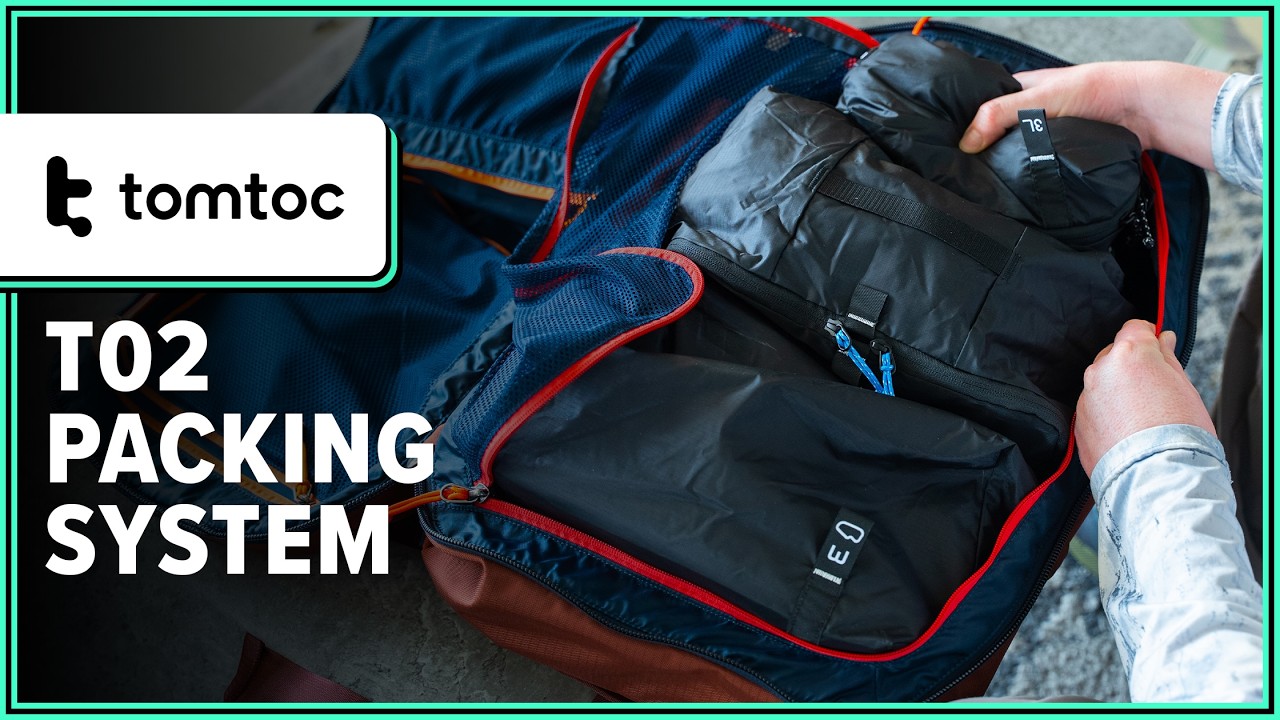
tomtoc T02 Packing System Review — Pack Hacker’s 2-Week Verdict (7.0/10)

Video Overview Pack Hacker spent two weeks with the tomtoc Light-T02 Packing System — a complete multi-cube packing solution that includes a compression cube, a clean/dirty cube, a small accessory…
BagsTravelVideo
June 1, 2026

Jakarta’s Hidden EDC Gear Scene — MauriceMoves’ 48-Hour City Challenge

Video Overview MauriceMoves — one of the most engaging travel and EDC channels on YouTube — took on a 48-hour challenge in Jakarta, Indonesia, and discovered what might be the…
BagsTravelVideo
May 30, 2026

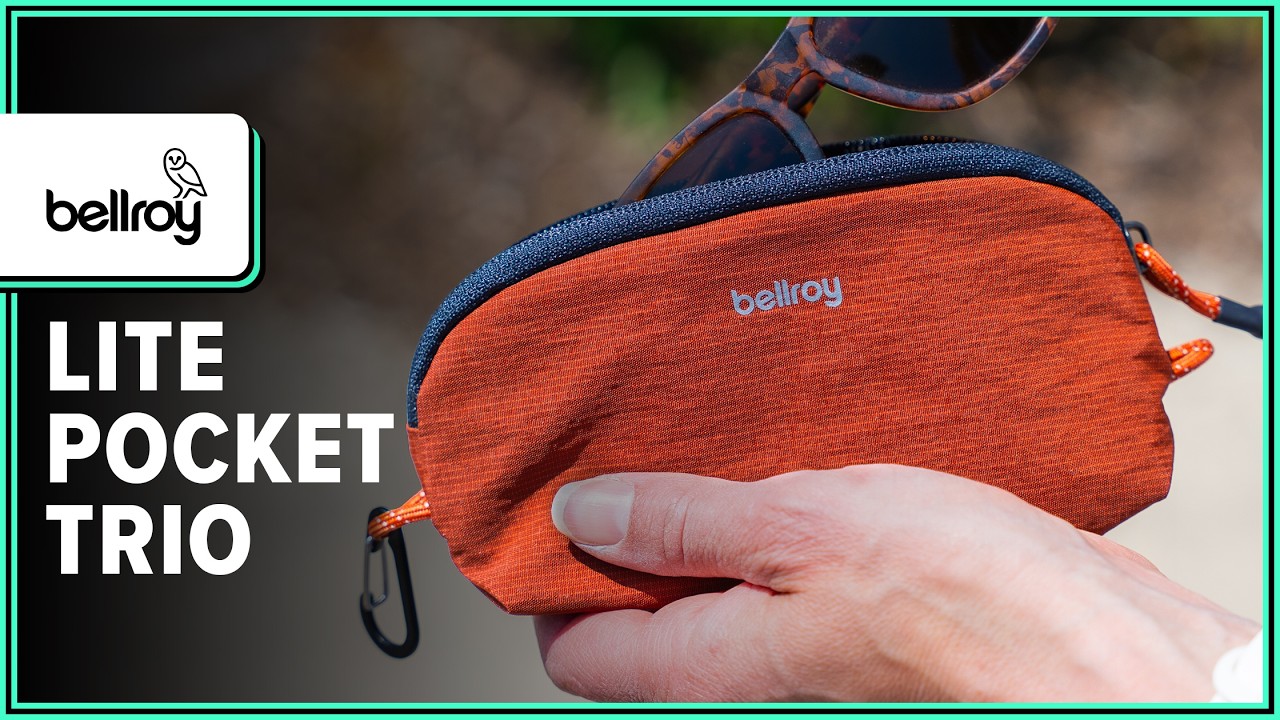
Bellroy Lite Pocket Trio Review — Pack Hacker’s 2-Week Verdict (8.0/10)

Video Overview Pack Hacker spent two weeks with the Bellroy Lite Pocket Trio — a set of three lightweight fabric pouches designed to bring organization inside larger bags. Bellroy is…
BagsTravelVideo
May 29, 2026

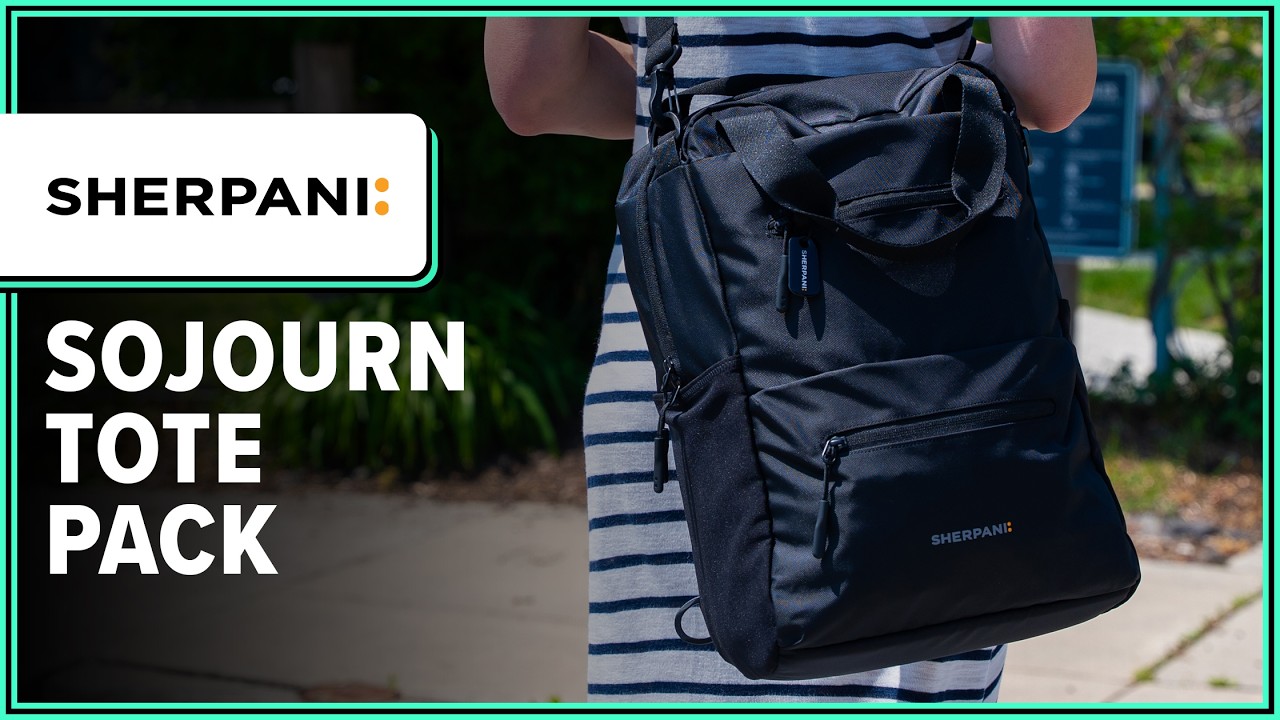
Sherpani Sojourn Tote Pack Review — Pack Hacker’s 2-Week Verdict (7.3/10)

Video Overview Pack Hacker spent two weeks carrying the Sherpani Sojourn Tote Pack to deliver a fully real-world verdict on one of the more unusual bags in their review catalog.…
Close Menu

EDC Blog

About EDC Blog

The Castle
Unit 345
2500 Castle Dr
Manhattan, NY