EVERYDAY CARRY BLOG

9 Best Tool Watches for Everyday Wear

By Fashion, Video

Video Overview

HICONSUMPTION rounds up the nine best tool watches for everyday wear, covering the full spectrum from digital G-SHOCKs to Swiss-made military pilots — all priced under $1,100. Tool watches were born from professional necessity: dive bezels for timing underwater, tachymeters for calculating speed, pilot bezels for managing time zones at altitude. Today, they’ve evolved into the most compelling category for EDC wearers who want a watch that does more than just tell time. HICONSUMPTION is one of the most trusted voices in the gear and lifestyle space — follow their work at hiconsumption.com.

Items and/or Gear Mentioned in the Video

The list spans nine distinct tool watch categories — solar atomic G-SHOCK, diver, micro-brand toolwatch, field diver hybrid, alpine climber, Swiss tool watch, independent field watch, aviation pilot, and military navigator. The Citizen Promaster and Seiko Alpinist are the most accessible entries with direct Amazon availability; the Unimatic, Nodus, and Lorier are micro-brand picks that require direct purchase.

Editor’s Insight

The tool watch category is having a moment. As smartwatch fatigue sets in and more EDC-minded people return to mechanical and purpose-built quartz watches, tool watches occupy a sweet spot: they’re functional enough to justify their complexity, rugged enough to survive daily abuse, and interesting enough to reward the wearer’s curiosity about their design history.

HICONSUMPTION’s list covers nine distinct tool watch archetypes, which is a useful framing. Too many “best watches” lists cherry-pick from a single category; this one deliberately spans digital, quartz diver, Swiss mechanical, independent micro-brand, and military issue — giving you a genuine cross-section of what the market offers.

The Casio G-SHOCK GW-9400-1 Rangeman is the practical choice for anyone who needs a watch that genuinely cannot fail. It’s solar-powered, atomic-synced, has a compass, altimeter, and barometer, and is rated to 200 meters. It’s not subtle, but it’s supremely capable. For EDC carriers who are outdoors regularly or work in conditions where a watch has to function absolutely reliably, the Rangeman is the benchmark.

The Citizen Promaster BN0150-28E represents the best value proposition in the diver category. It’s Eco-Drive powered (no battery changes), water-resistant to 200 meters, and built to Citizen’s professional diver standards. The clean dial design makes it versatile enough to wear daily without looking like you’re perpetually on your way to a boat.

The Seiko SPB155 Baby Alpinist is one of the most interesting watches in this price range. It’s a field watch that crosses into diver territory with 200-meter water resistance, while the Alpinist’s peaked crown and bidirectional rotating bezel give it a mountain-climbing aesthetic that’s distinctly different from the typical dive watch silhouette. For EDC carriers who want something that looks different from the standard diver, this is one of the best options under $1,000.

The Unimatic, Nodus, and Lorier entries represent the micro-brand segment — smaller independent watchmakers producing limited-run tool watches with higher specification-to-price ratios than comparable Swiss pieces. The trade-off is availability and resale value; these brands don’t have the distribution network of Seiko or Citizen. But for a buyer who has done the research and wants something distinctive, they offer real quality.

The Hamilton Khaki Aviation Pilot and Marathon SSNAV-D represent the aviation and military segments. The Hamilton has pilot-watch DNA in its oversized crown and legibility-first dial; the Marathon is a genuine military-contract watch with ballistic nylon strap and SSNAV navigation bezel. These are the watches for people who want function at the highest level and aren’t concerned about conventional style.

For EDC purposes, the best tool watch is the one that matches your actual use case. If you’re in water regularly, the divers. If you’re outdoors and need instrument functions, the Rangeman. If you want something visually interesting that still performs, the Seiko or micro-brand options. HICONSUMPTION has assembled a list that makes those trade-offs clear.

Closing Remarks

Tool watches offer a compelling combination of durability, functionality, and design history that few other EDC items can match. HICONSUMPTION’s roundup is an excellent starting point whether you’re buying your first tool watch or adding to a collection. Which tool watch is on your wrist? Tell us in the comments. Disclosure: this post contains affiliate links — purchases made through our links support the site at no additional cost to you.

BUCK Knives is Not Messing Around! A Giant Leap Forward for a Legacy Brand

By Tools, Video

Video Overview

Max LVL EDC takes a deep look at Buck Knives’ latest lineup, arguing that the legendary American brand has made a significant leap forward with its newest releases. From the slim, modernized 110 and 112 Slim Elite models to the newer 700, 791, and 698 platforms, Buck is updating its classic DNA for the modern EDC carrier. If you’ve ever written off Buck as a brand living on nostalgia, this video will make you reconsider. Max LVL EDC is one of the most thorough knife and multitool reviewers on YouTube — follow the channel at maxlvledc.com.

Items and/or Gear Mentioned in the Video

The Buck 110 and 112 Slim Elite are the flagship redesigns — taking Buck’s iconic lockback silhouettes and shaving down the profiles for modern EDC use. The Alpha Series and the 791 and 698 models represent newer directions for the brand beyond its legacy designs.

Editor’s Insight

Buck Knives has been making folding knives in the United States since 1902, and the Buck 110 is arguably the most recognizable folding knife in American history. For decades it was the knife your father carried, and his father before that — a heavy, brass-bolstered lockback that defined what a folding knife could be. The problem, from a modern EDC perspective, is that the original 110 is thick, heavy, and slow to deploy. It’s a great knife from another era.

The Slim Elite redesigns change that calculus entirely. By reducing the blade thickness, thinning the handles, and refining the lockback mechanism, Buck has produced versions of the 110 and 112 that carry and use like modern knives while retaining the visual heritage that makes them instantly recognizable. This is a genuinely difficult design problem to solve — you can’t just make a knife thinner without compromising either the blade geometry or the handle feel — and the fact that Buck has done it well suggests serious engineering investment.

The 110’s 3.75-inch blade in the Slim Elite version gives you meaningful cutting utility without the bulk of the original. The 112’s shorter 3-inch blade makes it a more discreet daily carry for environments where a larger blade would raise eyebrows. Both models use Buck’s updated steel choices, which represent another area where the brand has leveled up — the old 420HC that defined Buck’s value tier has been supplemented with higher-performance options.

The Buck 791 and 700 represent the brand pushing beyond its lockback heritage. These are more modern platform designs with flipper openers and liner or frame locks — the mechanism that most of today’s EDC knives use. For buyers who want Buck’s American manufacturing and brand heritage without the traditional lockback aesthetic, these models are the answer.

The 698 is another interesting entry — a slimmer, more refined design that sits between the classic aesthetic and the fully modern platform. It suggests Buck is thinking carefully about the spectrum of buyers it wants to reach, from the nostalgic 110 loyalist to the person who wants a modern EDC knife from an American manufacturer.

The Alpha Series is perhaps the most ambitious move: an entry-level lineup that aims to give buyers quality Buck construction at accessible price points. Expanding your buyer base without diluting the brand is a tightrope walk, but Buck’s manufacturing history gives it credibility that a newcomer couldn’t claim.

Max LVL EDC has been covering Buck Knives for years and understands the context that makes these releases significant. His channel is dedicated to practical gear evaluation — not hype, not affiliate-first content, but genuine assessment of whether a tool does its job. His read that Buck is “not messing around” with this lineup carries weight coming from someone who has handled most of what the category offers.

For EDC carriers evaluating their knife, the Buck Slim Elite lineup is worth serious consideration. You get American heritage, proven lockback reliability, and a form factor that now fits comfortably in a modern pocket. That’s a combination that wasn’t available even five years ago.

Closing Remarks

Buck Knives is making a compelling case for its place in the modern EDC market with the Slim Elite redesigns and its expanding lineup. Whether you’re a longtime Buck loyalist or a first-time buyer, this video from Max LVL EDC is worth watching before you decide. What knife are you carrying right now? Let us know in the comments. Disclosure: this post contains affiliate links — purchases made through our links support the site at no additional cost to you.

Cotopaxi Coraza Carry-On Review (2 Weeks of Use)

By Bags, Travel, Video

Video Overview

Pack Hacker brings the Cotopaxi Coraza Carry-On through their rigorous two-week review process, examining every angle of this travel-focused carry-on backpack. Cotopaxi has built a reputation for colorful, sustainably made gear that punches above its price, and the Coraza is their flagship carry-on-sized travel backpack. Pack Hacker covers external features, fit notes, and an in-depth look at the main compartment — giving you everything you need to decide if this bag belongs on your next trip. If you’re evaluating carry-on sized packs for one-bag travel, this review deserves your full attention.

Items and/or Gear Mentioned in the Video

The Cotopaxi Coraza Carry-On is the sole focus of this review. Cotopaxi’s Del Día manufacturing approach — using leftover fabric remnants — means each bag has a unique colorway, making the Coraza one of the most visually distinctive carry-on bags in the travel pack space.

Editor’s Insight

Pack Hacker’s two-week review format is the gold standard for bag evaluation. Most reviewers put a bag through a weekend or a single trip; Pack Hacker’s extended testing surfaces the kind of friction points that only show up with daily use — whether a zipper pull becomes annoying after the hundredth use, whether the shoulder straps cause fatigue on a long walk, whether the main compartment organization actually holds up to real packing habits.

Cotopaxi occupies a genuinely interesting position in the travel bag market. They’re a B-Corp certified outdoor brand known for their “Gear for Good” ethos and their Del Día manufacturing process, which uses leftover fabric remnants so that no two bags are identical. For the EDC and travel community, this matters for two reasons: first, the sustainability angle resonates with a lot of travelers who are rethinking their gear footprint; second, the unique colorways make Cotopaxi bags instantly recognizable and surprisingly stylish in a category that tends toward tactical black.

The Coraza is Cotopaxi’s carry-on-sized travel backpack, which means it’s designed to compete with packs from Osprey, Peak Design, Tortuga, and Tom Bihn in the crowded “one-bag travel” segment. This is a demanding category: the bag has to fit in an overhead bin, meet the organizational needs of multi-day travel, carry comfortably as a backpack, and ideally work as a daily carry when you’re not on the road. That’s a lot to ask of a single bag, and Pack Hacker’s review structure — external features, fit notes, main compartment — hits all the key evaluation points.

The external features section will tell you how accessible the bag is on the move. Carry-on bags live or die by their external pockets: Can you grab your passport without opening the main compartment? Is there a water bottle pocket on the side? How easy is the top grab handle to use when lifting into an overhead bin? These are the small design decisions that determine whether a bag is pleasant or frustrating to travel with.

Fit notes matter enormously for a carry-on backpack. Many travel bags are designed for a specific torso length, and a bag that fits poorly becomes a misery on a long walk through an airport. Pack Hacker’s fit evaluation is one of the most useful parts of their reviews — they typically assess how the load transfers, where the hip belt (if any) sits, and whether the shoulder straps dig in during extended carries. For a carry-on pack, you’re unlikely to have it on your back for more than an hour at a stretch, but that airport walk can be significant.

The main compartment section at 9+ minutes suggests Pack Hacker found a lot to discuss — which is a good sign for a travel bag. The main compartment is where a carry-on backpack either earns its price or frustrates you with poor organization. The best carry-on packs have a clamshell opening for easy TSA screening, dedicated laptop sleeves, compression straps to keep contents from shifting, and enough organizational depth to separate clean clothes from worn ones. Whether the Coraza delivers on all these fronts is exactly what Pack Hacker’s extended format reveals.

For one-bag travelers specifically, the carry-on category is the most consequential gear decision you’ll make. A bad carry-on bag makes every trip worse; a great one becomes invisible — it just works. Cotopaxi’s reputation for quality and the Coraza’s travel-specific design suggest this bag is a serious contender. Pack Hacker’s honest, long-form review will tell you whether it earns that billing in practice.

Follow Pack Hacker on YouTube at packha.kr/youtube for more thorough gear reviews. Their back catalog of carry-on reviews is one of the best resources for one-bag travel research available anywhere online.

Closing Remarks

The Cotopaxi Coraza Carry-On is a compelling option for one-bag travelers who want sustainable materials, unique style, and carry-on-compliant sizing. Pack Hacker’s two-week review gives you the depth to make a confident decision before buying. Are you a Cotopaxi fan, or do you prefer a different carry-on pack? Share your thoughts in the comments. Disclosure: this post contains affiliate links — purchases made through our links support the site at no additional cost to you.

ALPAKA Bravo Tote V2 (14L) Review (2 Weeks of Use)

By Bags, Travel, Video

Video Overview

Pack Hacker puts the ALPAKA Bravo Tote V2 (14L) through two weeks of real-world use in this detailed review. The Bravo Tote V2 is a compact 14-liter convertible bag from Alpaka, designed to carry as a tote, shoulder bag, or backpack. Pack Hacker’s thorough breakdown covers the external features, harness system, fit notes, secondary compartments, and the main compartment — giving you a complete picture of what this bag is like to live with day to day. If you’re searching for a sleek daily carry that transitions from commute to travel, this review is essential viewing.

Items and/or Gear Mentioned in the Video

The ALPAKA Bravo Tote V2 is the sole focus of this review. Alpaka is a direct-to-consumer brand known for their premium materials and thoughtful organization systems, and the Bravo Tote V2 represents their take on a versatile everyday carry bag that scales from daily commute to weekend travel.

Editor’s Insight

Pack Hacker has built one of the most consistent and methodical bag review channels on YouTube, and their two-week review format is one of the few that actually gives you meaningful real-world data. Most gear reviews happen over a weekend; two weeks means the reviewer has actually used the bag for commutes, errands, travel days, and the kind of casual daily carry that reveals whether a product’s design holds up under honest pressure.

The ALPAKA Bravo Tote V2 hits a genuinely difficult design target: a 14-liter bag that works as a tote, shoulder bag, and backpack. That’s three carry modes in one compact package, and most bags that attempt this end up being mediocre at all three. Alpaka’s approach — stiff structure, thoughtful harness integration, premium materials — suggests they’ve thought carefully about the tradeoffs.

At 14 liters, this is firmly in the personal item / daily carry category. It’s not going to replace a laptop backpack for heavy carry days, but that’s not the point. The Bravo Tote V2 is designed to be the bag you reach for when you don’t want to think about your bag — compact enough to not be a burden, organized enough to find everything quickly, and polished enough to look intentional whether you’re at a coffee shop or a business meeting.

Pack Hacker’s review structure — external features, harness system, fit notes, secondary compartments, main compartment — is essentially a checklist for anyone evaluating a bag. The harness system section is particularly useful for convertible bags because that’s almost always where the compromises show up. A tote handle that converts to a backpack strap often sacrifices comfort in one mode to enable the other; Pack Hacker’s fit notes section will tell you exactly what those tradeoffs look like in practice.

Alpaka occupies an interesting space in the bag market. They’re a direct-to-consumer brand with a devoted following, premium construction, and pricing to match. Their bags typically feature UHMWPE panels, magnetic closures, and X-Pac or ballistic nylon — materials you see on bags costing two or three times as much from legacy brands. The Bravo Tote V2 continues that tradition, and 14 liters is a size that’s hard to find with this level of material quality.

For EDC purposes, the secondary compartments section of this review will be especially relevant. Daily carry is about friction: how many steps does it take to get your keys, your wallet, your earbuds? A bag with poor organization forces you to dig; a bag with good organization becomes almost invisible. The Bravo Tote V2’s 9+ minutes of compartment coverage in this review suggests Pack Hacker found plenty to discuss — which is either a good sign (lots of organization) or a caution (complexity for its own sake).

The 14-liter category is worth paying attention to right now. As one-bag travel has matured, many travelers have realized that a personal item–sized bag that maximizes cubic inches is more useful than a large carry-on with empty space. The Bravo Tote V2 is clearly designed with that traveler in mind — someone who packs light, moves fast, and wants a bag that works equally well on a plane and on foot in a new city.

Pack Hacker’s channel (subscribe at packha.kr/youtube) is one of the most reliable sources for bag reviews that actually hold up over time. Their scoring methodology is consistent, their review format is thorough, and their two-week testing period is a genuine differentiator. If you’re considering the Bravo Tote V2, watching this review before buying is time well spent.

Closing Remarks

The ALPAKA Bravo Tote V2 (14L) is a compelling option for anyone looking for a compact, convertible everyday carry bag with premium materials and versatile carry modes. Pack Hacker’s two-week review gives you the detail you need to make an informed decision. Have you tried the Bravo Tote V2 or another Alpaka bag? Drop your thoughts in the comments below. Disclosure: this post contains affiliate links — purchases made through our links support the site at no extra cost to you.

The #1 Most Important Part of EDC That People Forget – FBI SWAT Operator Scott Payne

By Tactical, Video

Video Overview

A perspective worth hearing from the Dalton Fischer Podcast: FBI SWAT operator Scott Payne on the single most important element of everyday carry that most people overlook. Scott brings a level of professional credibility to this conversation that’s rare in the EDC space — his carry choices and philosophy are shaped by years of high-stakes operational experience, not YouTube trends or gear reviews. This clip gets at a question that most EDC content avoids: is the gear the point, or is something else driving whether your carry actually serves you when it matters?

Items and/or Gear Mentioned in the Video

This video focuses on EDC philosophy and mindset rather than specific products. No gear is reviewed or linked in the video description. For the full conversation with Scott Payne, see the complete interview on the Dalton Fischer Podcast.

If you’re looking to build out a carry kit that aligns with a trained, professional approach to EDC, the following categories are worth researching:

Editor’s Insight

Most EDC content is gear-first. The implicit assumption behind every flashlight comparison, every knife review, and every “what’s in my pocket” video is that better gear produces better outcomes. Scott Payne’s perspective challenges that assumption from a position most commentators don’t have: someone who has actually had to use their carry in life-threatening situations, and who has trained others to do the same.

The “most important part of EDC that people forget” framing is deliberately provocative because it implies the EDC community has gotten something wrong — not in what it carries, but in how it thinks about carrying. The gear community is exceptionally good at optimizing for weight, finish, steel composition, and deployment speed. It is considerably less focused on training, scenario planning, and the psychological dimension of actually using carry items under stress.

This gap between gear optimization and performance optimization is one of the more interesting tensions in the EDC world. A person who carries a $400 custom knife but has never trained to deploy it under stress, in low light, with an elevated heart rate, is objectively less prepared than someone carrying a $40 Kershaw with hundreds of hours of practical training. The gear community knows this abstractly but rarely discusses it, partly because gear is concrete and reviewable while training is experiential and hard to monetize.

FBI SWAT operators represent one end of the professional carry spectrum — a population that carries daily, trains relentlessly, and has their gear choices shaped by actual field outcomes rather than preferences or aesthetics. When someone from that background says the EDC community is forgetting something important, the honest response is to take the observation seriously rather than dismiss it as tactical posturing.

The training argument has been made before in the tactical and defensive carry communities, but it tends to stay siloed there — reaching the broader EDC audience that thinks of everyday carry primarily as utility and preparedness rather than defensive capability. Scott’s perspective, delivered in a conversational podcast format rather than a gun-culture context, potentially reaches an audience that the standard defensive carry channels don’t.

There’s also a mindset dimension worth examining. Carrying deliberately — knowing why each item is in your kit, what scenario it addresses, and how you’d actually use it — is meaningfully different from carrying because a specific item got a good review. The former produces a loadout shaped by your life and your likely scenarios. The latter produces a collection of well-reviewed items that may or may not serve your actual needs. The “most important part” that Payne references likely sits somewhere in that distinction.

For viewers who’ve built solid gear foundations and are looking for the next level of EDC development, this clip is worth the eight minutes — and the full interview even more so. The gear matters. But according to someone who has spent a career betting their life on both the gear and what they can do with it, gear is probably not the limiting factor for most everyday carriers. Credit to the Dalton Fischer Podcast for bringing this perspective to a broader audience.

Closing Remarks

Scott Payne’s take cuts to something the EDC community quietly knows but rarely addresses head-on: the gap between carrying gear and being prepared to use it. Whether you agree with his specific conclusion or not, the question he’s raising is worth sitting with. What does your training look like alongside your carry? Let us know in the comments. Affiliate links support the site at no extra cost to you.

My Top 20 EDC Gear of the Last 5 Years – Jon Gadget

By Bags, Fashion, Gadgets, Tech, Tools, Travel, Video

Video Overview

A milestone video from Jon Gadget — five years of reviewing everyday carry gear distilled into his definitive top 20. Jon covers the full spectrum of EDC: flashlights, multi-tools, bags, tech accessories, clothing, and the small carry items that survive years of rotation and still earn a place in the loadout. What makes this list credible is the time horizon — these aren’t products he reviewed once and moved on from. These are the pieces he’s returned to consistently over half a decade of daily carry and travel. If you’re looking to build or refine an EDC kit with gear that actually lasts, this is worth watching from start to finish.

Items and/or Gear Mentioned in the Video

Three items stand out as particularly distinctive. The Leatherman ARC represents Leatherman’s current flagship — titanium construction, one-hand tool deployment, and a design that finally addresses the locking mechanism complaints of earlier models. The Nitecore EDC37 pushes 4000 lumens from a pocket-sized body, positioning it among the most capable EDC flashlights at its size. And the Victorinox Companion Slim Alox shows Jon’s preference for refined minimalism — a Swiss Army knife that trims weight and bulk without sacrificing the core toolset.

Editor’s Insight

Five years is a meaningful time horizon in the EDC world. Gear trends cycle quickly — what’s considered essential in 2021 often looks dated by 2024. What survives that cycle is revealing. Jon Gadget’s top 20 list functions as an inadvertent filter: these are the products that held up to daily scrutiny across hundreds of reviews of competing options. That longevity is its own endorsement.

The Rovyvon A8 USB-C leads the list and its inclusion is telling. Rovyvon solved a specific problem elegantly: a AAA-sized keychain light with USB-C charging, which eliminates the proprietary charging hassle that made earlier Rovyvon models slightly inconvenient. At 650 lumens peak output from a form factor that disappears on a keychain, the A8 occupies a niche nothing else fills as well. Jon has reviewed dozens of keychain lights since, and the A8 keeps its spot.

The Leatherman ARC is the most significant tool on the list. Leatherman’s previous flagship — the Wave and Charge series — had earned a loyal following but accumulated design complaints over two decades: the blade deployed awkwardly, locking pliers weren’t standard, and the overall form factor had aged. The ARC addressed most of those complaints simultaneously: one-hand accessible blade, locking pliers, titanium scales, and a hinge design that holds up to heavy use. At $250, it’s a genuine investment, but for daily use over five years, it amortizes well.

The Nitecore EDC37 represents a specific flashlight philosophy: maximum output in minimum volume. At 4000 lumens, it exceeds what most users will ever need on a daily carry, but the lower modes — the 30-lumen everyday mode, the 1-lumen moonlight — are where you actually live with it day to day. High output is a rescue and emergency capability, not a daily use case. The EDC37’s value is that it gives you that rescue capability without requiring you to carry a larger light for everyday use.

The Bellroy items — Venture Sling 9L and Venture Ready Pack 20L — reflect Jon’s preference for bags that serve multiple contexts without specializing in any one. Bellroy’s strength is aesthetic restraint and organizational intelligence: bags that look at home in professional environments while carrying tech loadouts efficiently. The 9L sling and 20L pack represent different carry scenarios — one-bag travel versus daily commuting — that Jon rotates between depending on the day’s needs.

The Maxpedition pouch trio is worth examining as a system. The Pico, Micro, and Mini represent different organizational scales within the same modular philosophy. Maxpedition’s MOLLE-compatible design means they can attach to bags, belt loops, or larger packs — making them flexible organizational tools rather than standalone accessories. Jon including all three suggests he uses them as a modular system rather than a single pouch.

The Victorinox Companion Slim Alox and Victorinox Compact represent two different Swiss Army knife philosophies. The Compact is the classic urban EDC choice — scissors, blade, nail file, screwdriver, toothpick — in the standard 91mm form factor. The Companion Slim Alox is the modernized minimal version: fewer tools, Alox scales instead of cellidor, thinner profile. Both made the top 20, which suggests Jon uses them in different contexts rather than considering them redundant.

The more unusual inclusions — CuloClean, Matador NanoDry towel, NanoBag daypack — reflect the travel optimization angle that distinguishes Jon’s carry from pure gear enthusiasm. These are items that solve very specific friction points in travel: hygiene on the go, quick-dry after swimming, an ultralight packable layer for spontaneous shopping or overflow packing. They’re not glamorous EDC, but they represent the unglamorous-but-actually-useful category that makes travel meaningfully better. A big thanks to Jon Gadget for sharing five years of considered carry experience — watch the full video for his specific commentary on each item.

Closing Remarks

Jon Gadget’s top 20 after five years is one of the more honest gear roundups you’ll find — this is what actually survives the daily rotation, not what looks good in a review. Whether you’re building your first EDC kit or refining an established loadout, there’s something on this list worth your attention. What gear from your collection has stood the test of time? Share it in the comments. Affiliate links support the site at no extra cost to you.

Budget Banger – Civivi Over Yonder Knife Review

By Tools, Video

Video Overview

Max LVL EDC delivers a focused look at the Civivi Over Yonder — a budget-tier folding knife that punches above its price point. Max LVL EDC has reviewed enough knives to know the difference between a genuinely good budget blade and one that just photographs well. The “budget banger” framing signals something specific: a knife that delivers real-world carry quality at a price that doesn’t require justification. If you’re shopping for an affordable everyday carry knife that won’t disappoint in use, this review is worth your time.

Items and/or Gear Mentioned in the Video

The Civivi Over Yonder is the sole subject of this review — a compact folding knife from Civivi’s lineup that targets the $40-60 budget segment where the brand has built its reputation. Civivi has been one of the most consistent performers in budget EDC knives for several years, and the Over Yonder represents their latest entry in that category.

Editor’s Insight

Civivi has done something unusual in the knife market: built genuine brand credibility in the budget segment without chasing the mid-range. Most knife brands treat their sub-$60 lineup as a stepping stone — a way to get buyers into the ecosystem before they migrate up to premium offerings. Civivi treats the budget tier as a destination, and that orientation shows in the product quality their knives consistently deliver.

The Over Yonder name evokes something about the knife’s character: a blade designed for practical outdoor and EDC use without the aggressive tactical aesthetic that dominates much of the budget folding knife market. Civivi has a design language that tends toward clean lines, functional ergonomics, and blade geometries that prioritize slicing performance over visual aggression. The Over Yonder, based on that brand consistency, likely follows that template.

The “budget banger” classification is meaningful in the knife world precisely because the budget segment has genuine quality floors. Below a certain price point — roughly $30 — the steel choices, heat treatment, fit and finish, and deployment mechanisms typically reflect the economics. Civivi operates above that floor. Their steel selections in the $40-60 range — frequently 9Cr18MoV or similar mid-grade stainless alloys — deliver edge retention and corrosion resistance that outperforms what the price tag suggests, largely because Civivi’s manufacturing in China has optimized the cost-quality tradeoff more aggressively than Western brands typically manage.

Deployment mechanism matters more than most knife reviews acknowledge. A liner lock or frame lock that engages with a satisfying, positive click is a daily carry pleasure. A lockup that feels mushy, rattles, or requires adjustment right out of the box is a daily carry frustration. At the budget tier, deployment quality is often where cost-cutting shows first — and it’s where Civivi has historically differentiated. The Over Yonder’s deployment feel is one of the things Max LVL EDC’s hands-on review will directly address.

Blade geometry is the other dimension where affordable knives frequently compromise. A blade that looks interesting in photos but has too thick a grind behind the edge will push through material rather than slice it — functional, but nowhere near as capable as the same steel with a thinner grind. Civivi’s designers have generally understood that a thinner grind serves most EDC users better than a robust one, and their affordable blades typically reflect that understanding.

For everyday carry specifically, the pocket clip is a daily interaction point that reviews frequently undervalue. A clip that sits the knife too deep to grab quickly, loosens after a week of pocket cycling, or marks up pocket fabric is a constant minor irritant. A clip that positions the knife predictably, maintains tension across use, and doesn’t snag on pocket lining disappears into the carry experience in the best way. The Over Yonder’s clip design is worth noting when you watch the full review.

At the price point Civivi targets, the Over Yonder competes against offerings from Kershaw, Spyderco’s Byrd sub-brand, and other budget-tier lines. The honest comparison isn’t whether any of these knives are as good as a $150 Benchmade — they’re not, and they’re not trying to be. The comparison is whether they deliver reliable, pleasant daily carry at an approachable price, and Civivi’s track record says yes more consistently than most. Big thanks to Max LVL EDC for the hands-on evaluation — watch the full video for his specific take on edge geometry, deployment, and carry ergonomics.

Closing Remarks

The Civivi Over Yonder makes a strong case as a go-to budget EDC folder — a knife that delivers real carry quality without requiring a premium price justification. If you’re looking for a new daily carry blade that won’t leave you wishing you’d spent more, Max LVL EDC’s breakdown is the place to start. What knife is currently riding your pocket? Let us know in the comments. Affiliate links support the site at no extra cost to you.

Turn Your Switch 2 Into a Portable TV – Arzopa Z1RC 2.5K Portable Monitor

By Gaming, Tech, Video

Video Overview

Nice find from Excessorize Me: a portable monitor that turns a Nintendo Switch 2 session into something closer to a full TV experience. The Arzopa Z1RC is a 16-inch 2.5K IPS display with a built-in kickstand, USB-C and HDMI connectivity, and a compact form factor built for travel and on-the-go use. This clip breaks down why it makes sense as a Switch 2 companion and what sets it apart from competing portable monitors in the 1080p budget category.

Items and/or Gear Mentioned in the Video

The Arzopa Z1RC is the singular focus here — a 2560×1600 IPS panel that brings a genuine resolution upgrade over the 1080p portable monitors that have dominated this category. At 500 nits brightness and with hardware dithering to near-8-bit color accuracy, the Z1RC is built for content consumption and gaming in a way that entry-level portable monitors simply aren’t.

Editor’s Insight

The portable monitor category has matured considerably over the last few years, moving from cheap 1080p panels with mediocre color accuracy into a segment where 2K and 4K options at affordable prices are genuinely viable. The Arzopa Z1RC sits at an interesting inflection point: 2.5K resolution in a form factor that’s portable enough to carry in a sling bag alongside a Switch 2 or laptop.

The 2560×1600 resolution with a 16:10 aspect ratio is an underappreciated specification. Most portable monitors ship in 16:9 configurations that match laptop and TV content perfectly but leave letterboxing at the top and bottom for anything in taller formats. The 16:10 panel gives you extra vertical real estate — useful for productivity, more immersive for gaming content that renders at or near the native resolution, and visually distinct from the sea of 16:9 competitors at this price point.

For Switch 2 use specifically, the HDMI and USB-C inputs matter. The Switch 2 docks over USB-C directly, and most portable monitors support that connection natively for both display signal and power delivery. That means you can run the Switch 2 into the Arzopa via a single USB-C cable, eliminating the dock entirely for a cleaner portable setup. The HDMI port provides a backup for devices that don’t support USB-C DisplayPort alternate mode, making the Z1RC versatile across gaming consoles, laptops, and phones.

The built-in kickstand is a feature that sounds trivial until you’ve struggled to prop a portable monitor against a wall or a bag in a hotel room. A solid integrated kickstand means the monitor stands independently at a usable viewing angle, which is essential for any setup where you’re not attaching it to a laptop. Arzopa’s kickstand design on the Z1RC covers a reasonable range of angles, which matters for different seating positions across couch gaming, desk use, and travel scenarios.

500 nits brightness is the other specification worth calling out. Entry-level portable monitors at 200-300 nits are fine for indoor use in controlled lighting but wash out quickly in any environment with ambient light — hotel rooms with large windows, outdoor cafes, even an office with overhead fluorescents. 500 nits puts the Z1RC in a bracket where bright environments are usable, not just survivable. For anyone who uses a portable monitor in varied environments, that brightness headroom is the difference between a monitor you actually use and one that spends most trips in the bag.

The EDC angle here is carry compatibility. A 16-inch monitor is not a pocket item — you’re carrying it alongside your Switch 2 in a sling or daypack that has a dedicated sleeve or flat compartment. The Z1RC’s dimensions make it compatible with a wide range of bags that have a 13-inch laptop sleeve; the extra few inches fit in bags that have a padded flat section rather than a specifically sized sleeve. That compatibility matters for anyone who wants to integrate a portable monitor into an existing carry loadout without buying a dedicated bag for it.

At its price point, the Z1RC competes against a crowded field of portable monitors from brands like Lepow, Espresso, and InnoView. What Arzopa has done is push the resolution ceiling down to accessible price territory — 2.5K in this form factor previously required a significant premium. Whether that resolution upgrade is worth it over a 1080p alternative depends on your use case: for gaming and content consumption, yes. For productivity work, the extra clarity on text and UI elements is immediately noticeable. Big thanks to Excessorize Me for highlighting this one — the full video covers the display quality hands-on.

Closing Remarks

The Arzopa Z1RC makes a compelling case for adding a portable monitor to a Switch 2 carry setup — 2.5K resolution, solid brightness, and a kickstand that actually works in the field. If you’re looking to extend your Switch 2 gaming sessions into a proper screen experience without lugging a TV, the Z1RC is worth a serious look. What’s in your Nintendo Switch 2 travel setup? Drop it in the comments. Affiliate links support the site at no extra cost to you.

BagsTravelVideo
June 1, 2026

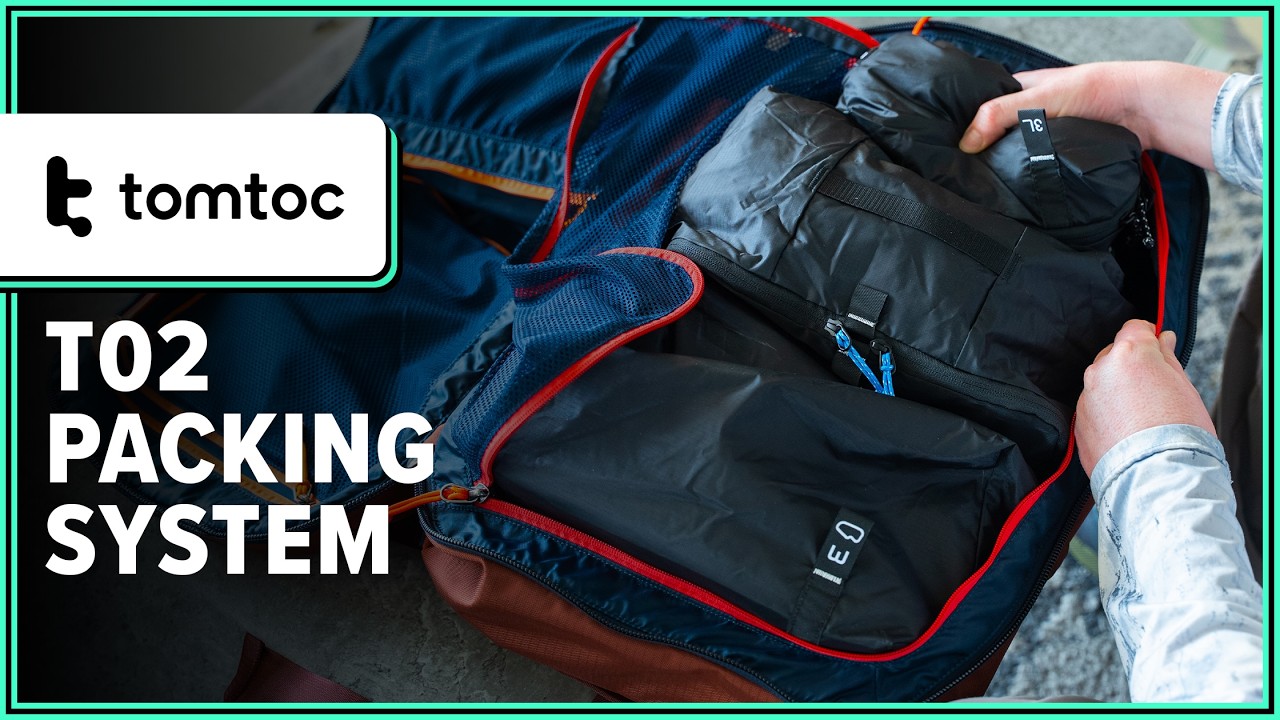
tomtoc T02 Packing System Review — Pack Hacker’s 2-Week Verdict (7.0/10)

Video Overview Pack Hacker spent two weeks with the tomtoc Light-T02 Packing System — a complete multi-cube packing solution that includes a compression cube, a clean/dirty cube, a small accessory…
BagsTravelVideo
June 1, 2026

Jakarta’s Hidden EDC Gear Scene — MauriceMoves’ 48-Hour City Challenge

Video Overview MauriceMoves — one of the most engaging travel and EDC channels on YouTube — took on a 48-hour challenge in Jakarta, Indonesia, and discovered what might be the…
BagsTravelVideo
May 30, 2026

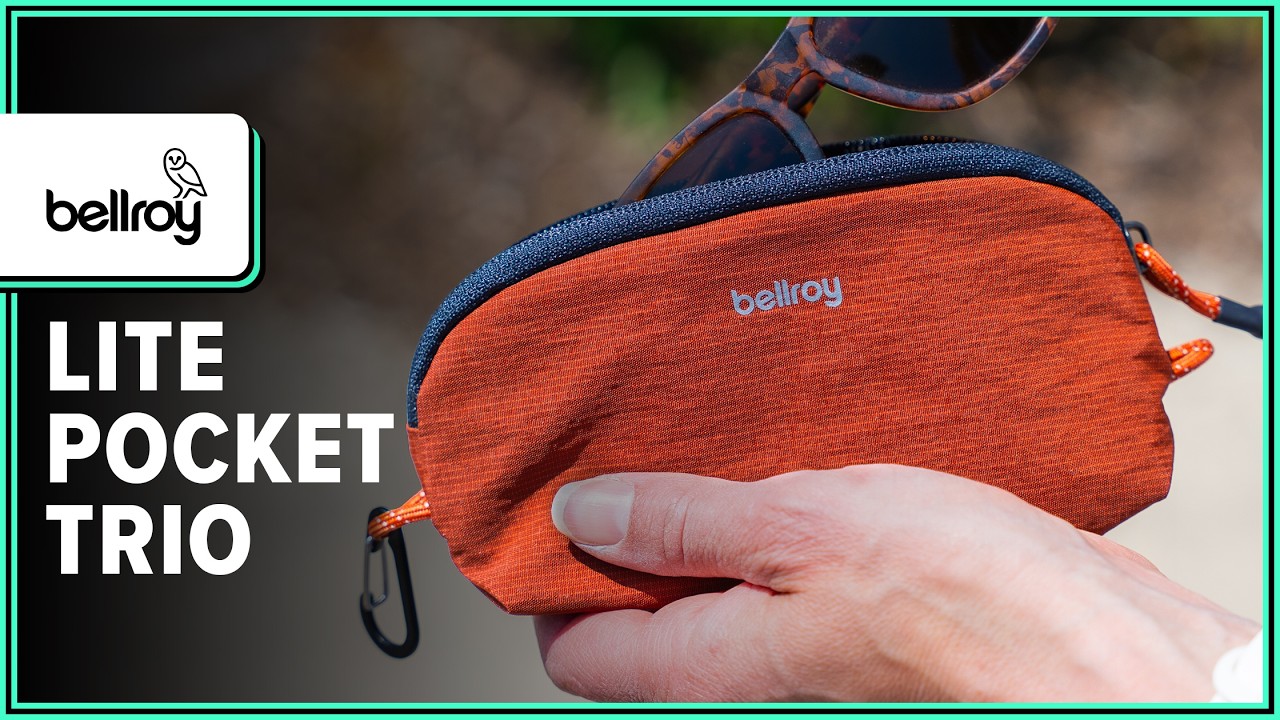
Bellroy Lite Pocket Trio Review — Pack Hacker’s 2-Week Verdict (8.0/10)

Video Overview Pack Hacker spent two weeks with the Bellroy Lite Pocket Trio — a set of three lightweight fabric pouches designed to bring organization inside larger bags. Bellroy is…
BagsTravelVideo
May 29, 2026

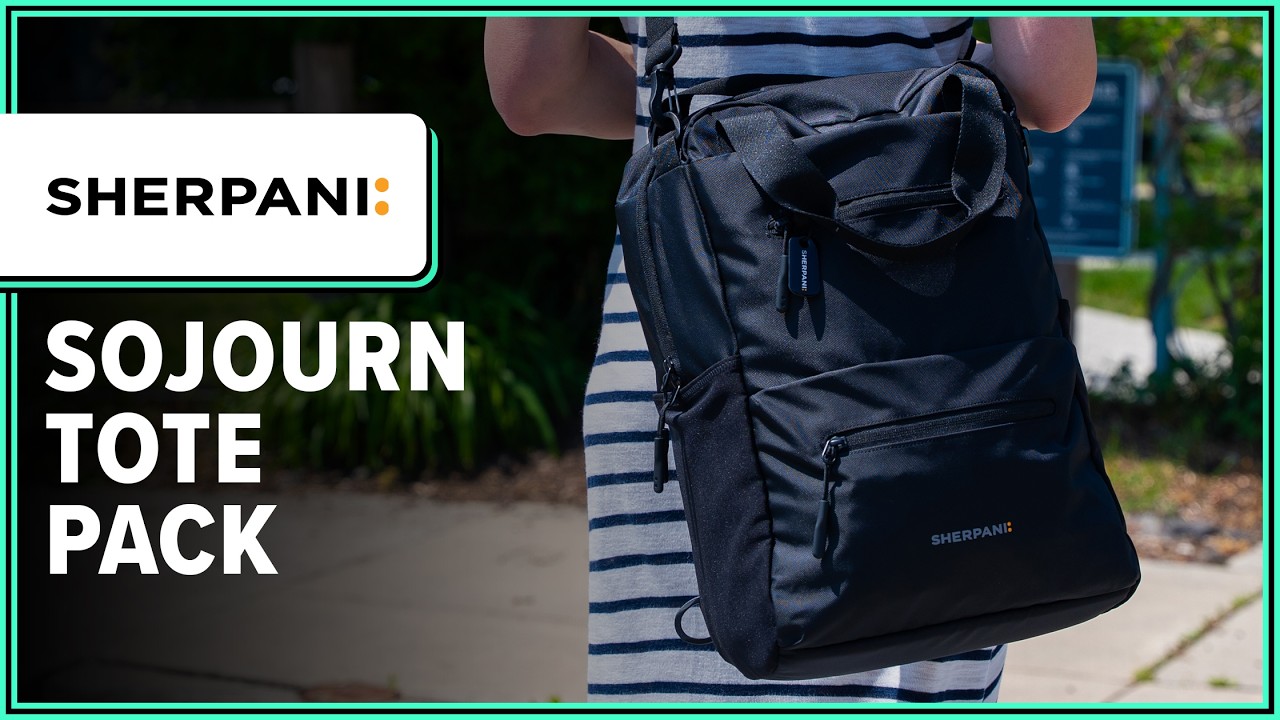
Sherpani Sojourn Tote Pack Review — Pack Hacker’s 2-Week Verdict (7.3/10)

Video Overview Pack Hacker spent two weeks carrying the Sherpani Sojourn Tote Pack to deliver a fully real-world verdict on one of the more unusual bags in their review catalog.…
Close Menu

EDC Blog

About EDC Blog

The Castle
Unit 345
2500 Castle Dr
Manhattan, NY